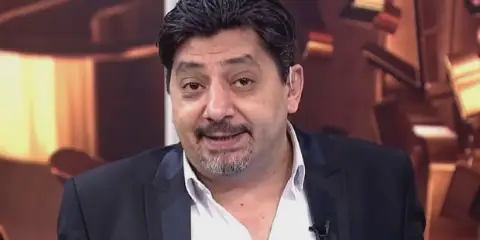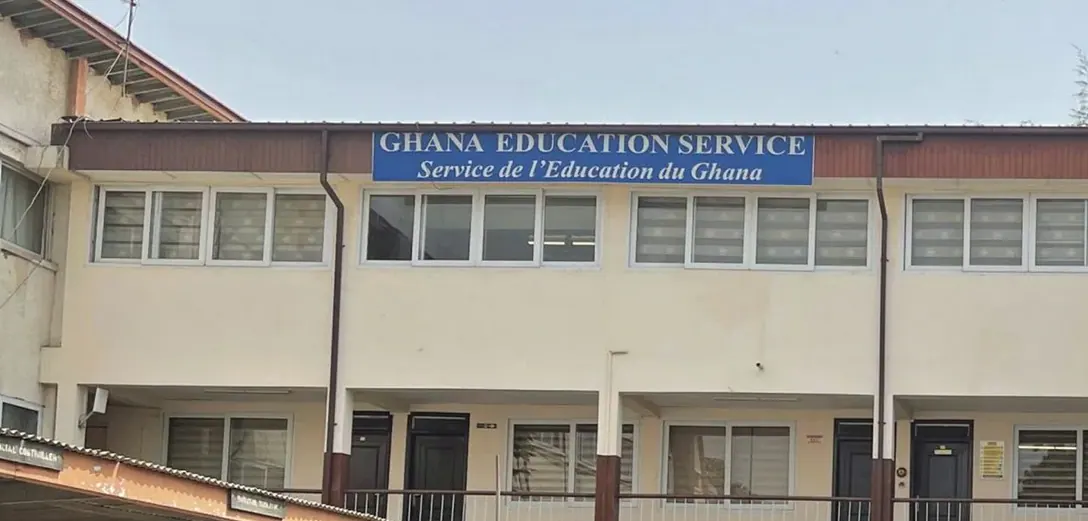
The Ghana Education Service (GES) has appealed to pre-tertiary teacher unions to call off their ongoing strike, warning that the industrial action could undermine recent efforts to restore stability and predictability to Ghana’s academic calendar. Director-General of the GES, Professor Ernest Kofi Davis, said the government and relevant state institutions are engaging the unions to address their outstanding concerns. The strike, which began on September 25, 2026, has raised concerns about the impact on the new academic year.
Professor Davis said the strike comes at a critical time for the education sector, barely two weeks into the new academic year. He noted that the timely reopening of schools this year represented a significant step towards restoring stability to an academic calendar that has faced disruptions in recent years. For the first time in approximately six years, students across various levels of the education system have reported to school within September, a development that has created a more predictable and synchronised academic calendar.
The GES Director-General highlighted steps taken by the GES to address teachers’ concerns, including the mechanisation of promotions last year. He assured teachers that the Service remains committed to meeting its obligations despite the challenges confronting the education sector. Professor Davis stressed that preserving the stability of the academic calendar remains a priority and urged all stakeholders to work towards ensuring that the school year proceeds without further disruption.
The strike was declared by the Ghana National Association of Teachers (GNAT), the National Association of Graduate Teachers (NAGRAT) and the Pre-Tertiary Teachers Association of Ghana (PRETAG). The unions are demanding, among other things, the payment of outstanding promotion arrears, progress on negotiations for a new Collective Agreement and implementation of the Deprived Area Allowance. The unions have been engaged in discussions with the government and relevant state institutions to address their concerns.
Professor Davis appealed to the unions to reconsider their decision while engagements with government continue. He noted that the GES is working with the Ministry of Education, Ministry of Labour, the Controller and Accountant-General’s Department and other stakeholders to find solutions to the issues raised by the teachers. The Director-General urged all stakeholders to work together to ensure that the school year proceeds without further disruption.
The strike has had an impact on schools across the country, with some schools turning into ghost towns. In the Northern Region, pupils have been left unsupervised as teacher unions began their strike. The Fair Wages and Salaries Commission is set to meet teacher unions on October 6 as the strike continues. The Education Ministry has renewed its appeal for teachers to return to class despite their refusal to end the strike.
The GES has assured that it will submit more data to the Controller and Accountant-General’s Department to process outstanding teacher promotion arrears. The Ministry of Education has also urged teachers to suspend their action as talks resume with the Fair Wages and Salaries Commission. The strike has raised concerns about the impact on the academic calendar and the future of education in Ghana.
Key points
- The Ghana Education Service warns that the ongoing teacher strike could disrupt the academic calendar.
- The strike, declared by GNAT, NAGRAT and PRETAG, demands payment of outstanding promotion arrears and implementation of the Deprived Area Allowance.
- The GES is working with stakeholders to address teachers’ concerns and urges them to reconsider their decision.