The Ghana Education Service (GES) has announced plans to make Sign Language a compulsory subject in basic schools within the next five years. This move aims to widen inclusion for deaf pupils and encourage ordinary pupils to interact and communicate more effectively with their deaf classmates. According to Gloria Ntim, an official with the GES Special Education Division, the National Council for Curriculum and Assessment (NaCCA) has already approved Sign Language for piloting in selected special schools.
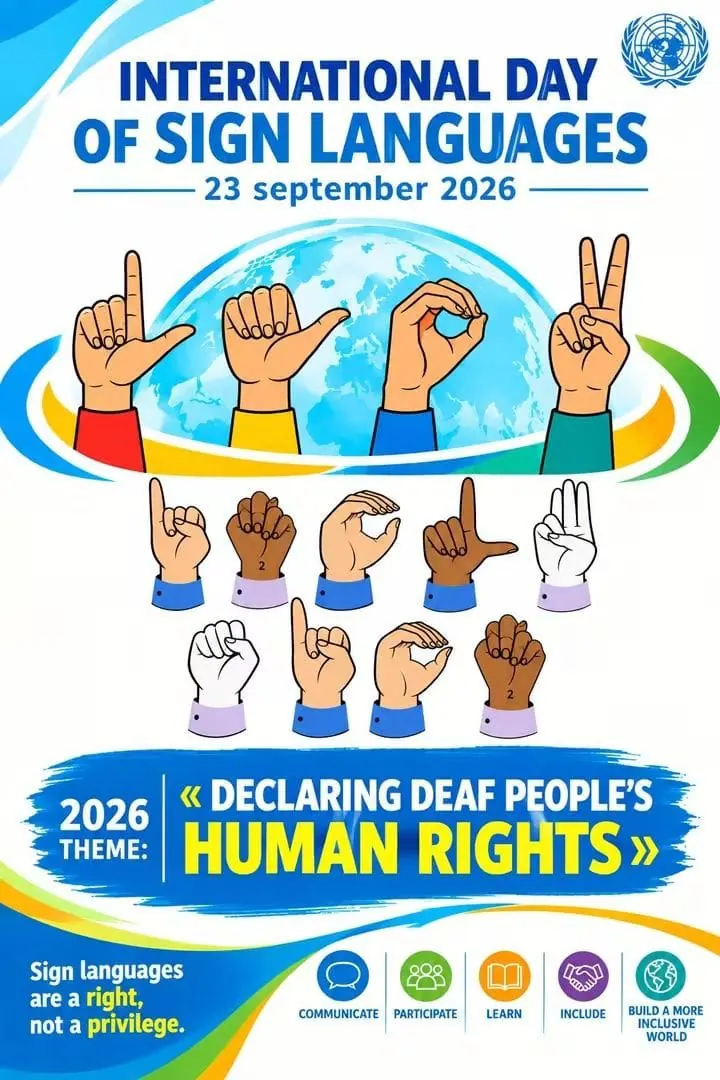
The announcement was made at an event organised by the Ghana National Association of the Deaf (GNAD) to mark the International Day of Sign Languages, observed annually on September 23. The event, part of the International Week of the Deaf, brought together academics, researchers, policymakers, and civil society groups to discuss ways of including deaf people more fully in national development. The gathering also pushed for the faster passage of the Persons with Disabilities Bill, 2026.
Jennifer Asuako, a Gender and Human Rights Analyst at the United Nations Development Programme, argued that Sign Language should be treated as a fundamental right rather than simply a communication tool. She called for the Bill to be passed quickly so that persons with disabilities can exercise their rights. Disability activist Alexander Bankole Williams commended GNAD for organising the forum but pressed the government to speed up the Bill's passage.
The proposed compulsory Sign Language curriculum in mainstream basic schools could open the door to interacting with hearing classmates on more equal terms for deaf children currently confined to special schools. For hearing pupils and teachers, it would mean learning a new mode of communication as part of standard schooling, a shift that could gradually normalise interaction with deaf Ghanaians in everyday life.
Adwoa Okorewaa of the Inclusive Family Alliance urged stakeholders not to sideline parents and caregivers of children with disabilities, arguing that they should be treated as active partners in shaping disability policies and programmes rather than mere beneficiaries. Edwin Andoh, Executive Secretary of the National Council on Persons with Disabilities, reaffirmed the government's commitment to getting the Bill passed.
The Ghana Education Service has not given a specific date for when the pilot in special schools will begin or when a nationwide rollout would follow. However, according to Ntim's comments, compulsory status could arrive within five years. Similarly, no timeline has been given for when Parliament might take up the Persons with Disabilities Bill, 2026, despite calls from GNAD and other advocates for urgent action.
The National Council for Curriculum and Assessment (NaCCA) is responsible for approving and reviewing school curricula and assessment standards in Ghana. The GES's Special Education Division oversees schooling for pupils with disabilities, including deaf and hard-of-hearing children. GNAD is the advocacy organisation representing deaf Ghanaians nationally and organised this year's event marking the International Day of Sign Languages.
Key points
- The Ghana Education Service plans to make Sign Language a compulsory subject in basic schools within five years.
- The move aims to promote inclusion for deaf pupils and encourage interaction between deaf and hearing classmates.
- The proposed change is part of a broader effort to pass the Persons with Disabilities Bill, 2026, and promote disability rights in Ghana.