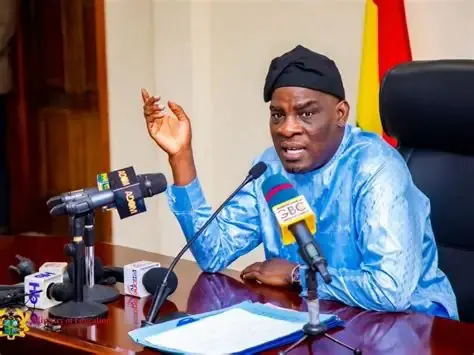
Ghana's Education Minister Haruna Iddrisu has committed to resolving the ongoing nationwide teacher strike, emphasizing that it is his top priority. He assured reporters that the government will address teachers' outstanding concerns within the coming days to ensure a return to work. The minister described the strike as the problem he would prioritize above all others currently on his desk. Iddrisu's comments come as the strike enters its second week, with teachers demanding better pay and working conditions.
The strike, led by the Ghana National Association of Teachers (GNAT), the National Association of Graduate Teachers (NAGRAT), and the Progressive Teachers and Other Related Associations of Ghana (PRETAG), has disrupted the academic calendar. Minister Iddrisu has set an October 16 deadline for a supplementary salary arrangement to be processed through the Controller and Accountant-General's Department (CAGD). He insisted that the pledge would not be broken, citing his personal commitment to resolving the crisis.
The Fair Wages and Salaries Commission (FWSC) recently held its first meeting with leaders of the striking unions since the strike began. However, the FWSC noted that the meeting did not amount to the start of formal negotiations. Minister Iddrisu said the FWSC would continue engaging the unions as part of efforts to reach a settlement and end the walkout. The talks remain a work in progress, with the minister setting a public timeline for resolution.
The strike has attracted mounting pressure from various stakeholders. Vice President Jane Naana Opoku-Agyemang had earlier described talks as "well advanced" and suggested a deal was close. The Ghana Education Service boss faced calls from parent representative Botsio for any agreement reached with teachers to be captured in a legally binding memorandum of understanding. The GES has pleaded directly with teachers to return to classrooms.
The strike's wider economic toll has also been highlighted, with school feeding caterers left with produce rotting as pupils stayed home from closed classrooms. Parents have previously warned that if their demands are not addressed by October 30, they will march alongside striking teachers in protest. This threat now sits alongside Minister Iddrisu's self-imposed October 16 deadline, making the coming fortnight crucial in determining whether classrooms reopen.
Despite the minister's public statements, no further details have been given on how the supplementary salary arrangement will be calculated or disbursed to teachers once approved. The government has appealed directly to striking teachers to consider the disruption the action has caused and to help safeguard the academic calendar. Minister Iddrisu asked teachers to keep the school term "safe and secure."
The situation remains tense, with all parties awaiting a resolution to the crisis. The Education Minister's commitment to resolving the strike has been welcomed, but the success of his efforts remains to be seen. The government's ability to meet the October 16 deadline and address teachers' concerns will be crucial in determining the outcome of the strike and the future of Ghana's education sector.
Key points
- The Ghanaian government has set an October 16 deadline to address teachers' demands and end the nationwide strike.
- Education Minister Haruna Iddrisu has emphasized his personal commitment to resolving the crisis and returning teachers to work.
- The strike has disrupted the academic calendar, with parents and stakeholders mounting pressure on the government to find a solution.