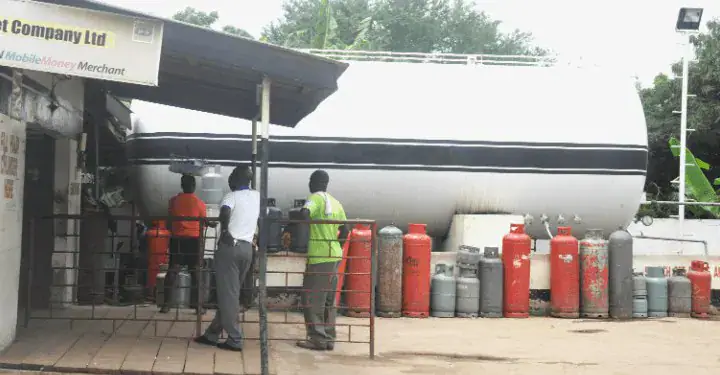
The National Petroleum Authority (NPA) of Ghana has announced that the country is experiencing lower Liquefied Petroleum Gas (LPG) prices this month, despite a sharp increase in global prices. According to Abass Tasunti, NPA's Director of Economic Regulation and Planning, this is due to a cheaper cargo of LPG that was secured before international prices began to rise. Ghana imports LPG through a monthly tender programme, which allows the country to lock in a fixed price for a month's supply.
The monthly tender programme works by fixing the import price of LPG for a month, regardless of fluctuations in international prices. This means that once a cargo is bought, the cost remains the same for consumers until it runs out. Tasunti explained that the current cargo being sold to Ghanaian consumers was purchased before international prices spiked, which is why local prices have not yet been affected. This arrangement has shielded consumers from the recent surge in global LPG prices.
However, Tasunti warned that this relief will not last indefinitely. He stated that international prices are indicating a significant increase in the next pricing window, which will likely lead to a rise in local LPG prices once the current cargo is exhausted and a new, more expensive one is bought. The NPA did not specify when the current cargo is expected to run out or when the next pricing adjustment would take effect, leaving uncertainty about how long households can expect to enjoy the lower rates.
The monthly tender arrangement has worked against consumers in the past. When an earlier cargo ran out and was replaced with one bought at a higher international price, local LPG prices rose as a result. Tasunti pointed out that the system works both ways, shielding consumers when the country buys cheap ahead of a price surge, but passing on higher costs once a pricier cargo takes over. For now, Ghanaian households using cooking gas are benefiting from the earlier, cheaper purchase.
Tasunti also discussed separate pressures affecting international diesel supplies, which he linked to disruptions involving Russia, including attacks on refineries and export restrictions. He stated that European countries releasing strategic reserves had helped ease the shortage in the short term, although continued attacks on Russian refineries left the outlook for supplies uncertain. These disruptions may have implications for Ghana's fuel supply in the future.
The NPA's announcement has brought relief to Ghanaian households that rely on LPG for cooking. The country's ability to secure a cheaper cargo ahead of the global price spike has cushioned consumers from the impact of rising international prices. However, the uncertainty surrounding future price adjustments and the potential for increased prices in the next pricing window may affect household budgets.
The situation highlights the complexities of Ghana's fuel supply and the impact of global market trends on local prices. As the NPA continues to monitor the situation, households will be watching closely for any changes in LPG prices. The authority's efforts to shield consumers from price shocks are crucial in maintaining stability in the fuel market. Key factors, including global price trends and supply disruptions, will influence future price adjustments.
Key points
- Ghana's LPG prices are lower this month due to a cheaper cargo deal secured before global prices spiked.
- The relief from lower prices will not last indefinitely, with potential for price increases in the next pricing window.
- The monthly tender programme shields consumers from price shocks, but also passes on higher costs when a pricier cargo is bought.