The Ghanaian government is developing a $4.28 billion financing framework to address critical water-sector investment needs and strengthen climate resilience. This framework is part of the National Water Investment Programme, aimed at guiding priority investments, mobilizing public and private financing, and improving water resources management. The programme will help the country identify and prioritize critical water investments, mobilize financing, and establish a clear pathway for implementation.
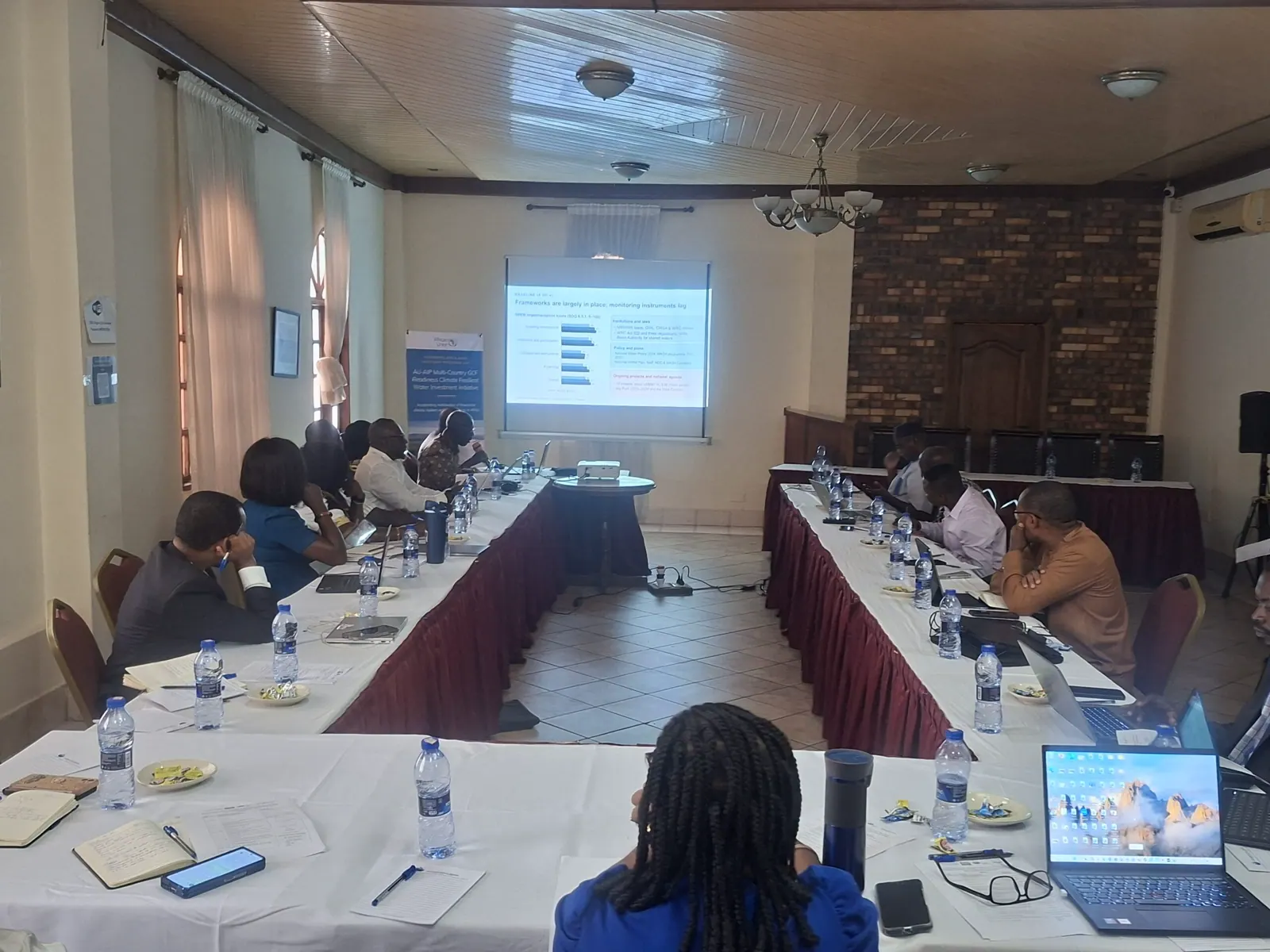
The framework's development was disclosed at a stakeholders' validation workshop in Accra by Mr. Edwin Kissi Afosah-Anim, Deputy Director of the Water Management Directorate of the Water Resources Commission (WRC) and Ghana's Focal Point for the Green Climate Fund (GCF). He stated that the programme would align water-sector investments with national climate and development priorities. The validation workshop provided an opportunity for stakeholders to review the proposed investment plan, financing strategy, and implementation arrangements.
According to Mr. Afosah-Anim, countries in the Global South, including Ghana, face significant challenges in mobilizing financing for water and climate-related investments due to high debt burdens, limited fiscal space, and complex donor engagement processes. Sector estimates indicate that Ghana requires about $1.7 billion annually to achieve universal access to water and meet sustainability targets by 2030. The country needs to bridge funding gaps through stronger public-private collaboration.
Mr. Afosah-Anim emphasized that financing for water and climate initiatives should extend beyond government resources. He urged stakeholders to actively participate in the process, as the quality of the final programme would depend greatly on the depth of participation and the value of inputs provided. The programme aims to strengthen the country's capacity to identify and prioritize critical water investments and mobilize financing.
Ms. Eunice Inkum, Principal Economic Officer at the Ministry of Finance and Green Climate Fund representative, stated that the $4.28 billion requirement could not be financed by the government alone. She urged stakeholders to use public resources more effectively to leverage additional financing through stronger engagement with development partners and climate finance institutions. Ms. Inkum also advocated for blended finance and increased private-sector participation.
The National Water Investment Programme is expected to provide a framework for identifying priority investments, mobilizing financing, and strengthening implementation to improve water security and climate resilience. The programme will help Ghana strengthen its project pipeline and ensure that proposed investments are aligned with national development priorities and realistic within the country's financing environment.
The stakeholders' validation workshop provided an opportunity for participating institutions to review the proposed investment plan and provide inputs to identify gaps, address emerging issues, and improve the final programme. The programme's success will depend on the active participation of stakeholders, including civil society organizations, non-governmental organizations, and the private sector, to combine efforts and address financing challenges.
Key points
- Ghana requires about $1.7 billion annually to achieve universal access to water and meet sustainability targets by 2030.
- The programme aims to strengthen the country's capacity to identify and prioritize critical water investments and mobilize financing.
- The $4.28 billion financing framework could not be financed by the government alone, requiring stronger public-private collaboration.