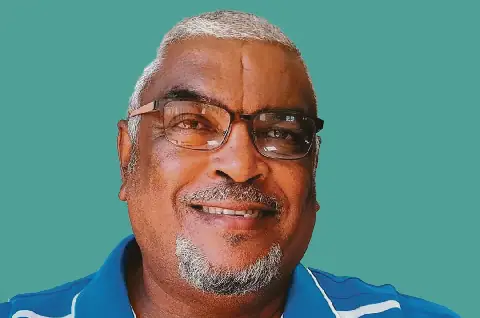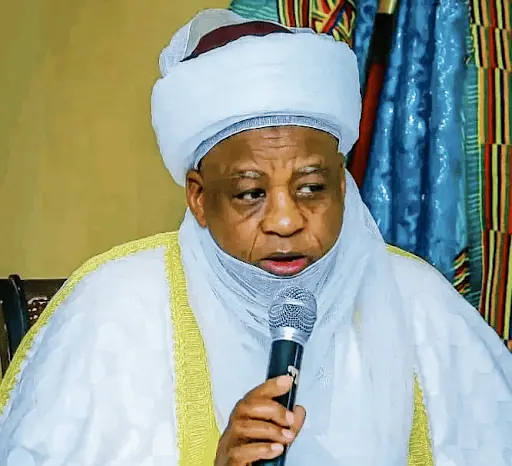
A social media post on Facebook claimed that Muhammadu Sa'ad Abubakar, a prominent Muslim leader in Nigeria, stated that the northern region was not afraid of secession and suggested that the Igbo people should be allowed to leave if the Nigerian constitution permitted it. The post sparked a heated debate and garnered significant attention, with over 996,000 views and 16,000 likes on Facebook. Many users expressed support for the claim, while others raised concerns about the potential consequences of secession.
The claim was investigated by Dubawa, a fact-checking organization, which found no evidence to support the assertion. A thorough search on Google did not yield any credible sources confirming the statement. In contrast, recent statements from the Muslim leader emphasized the importance of peaceful coexistence and an end to religious insults. The leader stressed that Christians and Muslims are equal in the eyes of God and called for an end to hostility between the two groups.
On August 18, 2026, the Muslim leader attended a meeting with journalists, where he reiterated the need for sustained efforts to ensure peace in Nigeria. Additionally, a report by The Cable on August 8, 2026, highlighted the leader's condemnation of the killing of a Nigerian soldier from the Igbo ethnic group. He expressed disapproval of the prejudice and hostility faced by Muslim minorities from the Igbo community in the southeastern region.
The Muslim leader's media aide, Aminu Haliru, denied the claim, stating that it was unfounded and untrue. Haliru described the leader as a nation-builder who advocates for peace, unity, and coexistence among Nigerians, regardless of their ethnic, religious, or socio-economic backgrounds. The aide emphasized that the leader would never make such a statement that could exacerbate tensions or promote division.
The investigation by Dubawa was prompted by concerns about the potential impact of the claim on Nigeria's already complex ethnic and religious dynamics. The organization sought to verify the statement and provide accurate information to the public. The findings of the investigation were clear: there was no evidence to support the claim, and the Muslim leader's actual statements emphasized peace and unity.
The incident highlights the challenges of misinformation and disinformation on social media platforms. The rapid spread of the unfounded claim demonstrates the need for fact-checking and verification in the digital age. Dubawa's investigation serves as a reminder of the importance of seeking credible sources and evidence-based information, particularly on sensitive topics like ethnicity and religion.
In conclusion, the claim that Muhammadu Sa'ad Abubakar supported the secession of Nigeria is false. No credible evidence was found to support the statement, and the leader's media aide has denied the claim. The incident underscores the need for responsible social media engagement and the importance of verifying information before sharing it.
Key points
- The claim that Muhammadu Sa'ad Abubakar supported the secession of Nigeria is false.
- No credible evidence was found to support the statement.
- The Muslim leader's actual statements emphasize peace and unity among Nigerians.