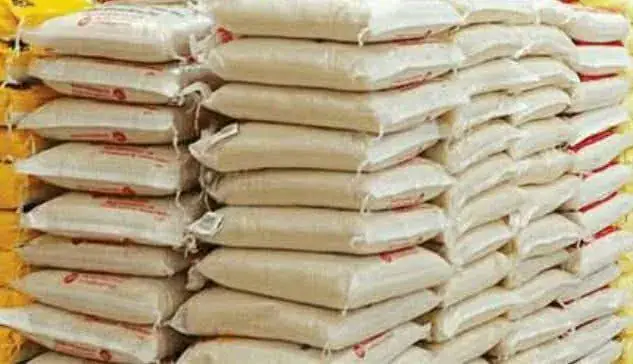
The Ghanaian government is considering a new policy that would require rice importers to purchase locally produced rice equivalent to 50% of their intended import volumes before receiving permits. This move aims to strengthen domestic production and reduce the country's reliance on imported rice. According to Finance Minister Dr. Cassiel Ato Forson, the policy is part of efforts to create a guaranteed market for local farmers and encourage investment in the agricultural sector.
Under the proposed policy, an importer seeking permission to bring in 100,000 metric tonnes of rice could be required to demonstrate that 50,000 metric tonnes had already been purchased from local producers. The Finance Minister announced this proposal during an engagement with students and the KNUST community on the New Economy. He emphasized that the government needs to introduce deliberate interventions to protect domestic farmers and prevent imported rice from undermining the local agricultural industry.
The government also plans to tighten public procurement requirements to compel government-funded institutions to give preference to locally produced rice, particularly under the Free Senior High School (Free SHS) programme. Dr. Ato Forson questioned why Ghanaian rice farmers continued to struggle to find buyers despite the government's annual expenditure of between GH¢4.5 billion and GH¢5 billion on the Free SHS programme. Approximately GH¢3.5 billion of that amount is spent on feeding students, presenting a significant opportunity for local rice producers to secure a reliable market.
The Finance Minister argued that public funds should be channelled in ways that stimulate domestic production, support local businesses, and ensure that government expenditure generates economic benefits within the country. He identified the textile industry as another area where stricter local procurement policies could make a significant difference. Dr. Ato Forson questioned the continued importation of uniforms for security agencies when local manufacturers such as Juapong Textiles and Akosombo Textiles were struggling to sustain their operations.
Prioritising locally manufactured uniforms for the military and police would create jobs, increase demand for domestic textile products, and help revive the industry. The minister maintained that the government intended to back some of the proposed measures with legislation, including sanctions for individuals and institutions that fail to comply with the new procurement requirements. This move aims to ensure that local industries benefit from government expenditure and drive Ghana's economic transformation.
The broader policy direction is to use public spending and trade regulations as instruments to expand local industries, generate employment, and drive Ghana's economic transformation. The government believes that by prioritising local procurement and supporting domestic production, it can create a more sustainable and equitable economy. The proposed policy is expected to have a positive impact on the agricultural sector and local businesses.
The implementation of the proposed policy is expected to be closely monitored, with the government prepared to take enforcement action against non-compliant individuals and institutions. The policy is part of a broader effort to promote economic development and reduce Ghana's reliance on imported goods. The government remains committed to supporting local industries and promoting economic growth through strategic interventions.
Key points
- The proposed policy aims to strengthen domestic rice production and reduce Ghana's reliance on imported rice.
- The government plans to tighten public procurement requirements to favour locally produced rice.
- The policy direction aims to use public spending and trade regulations to drive Ghana's economic transformation.
Reporting sources
- Government considers 50% ... · ModernGhana