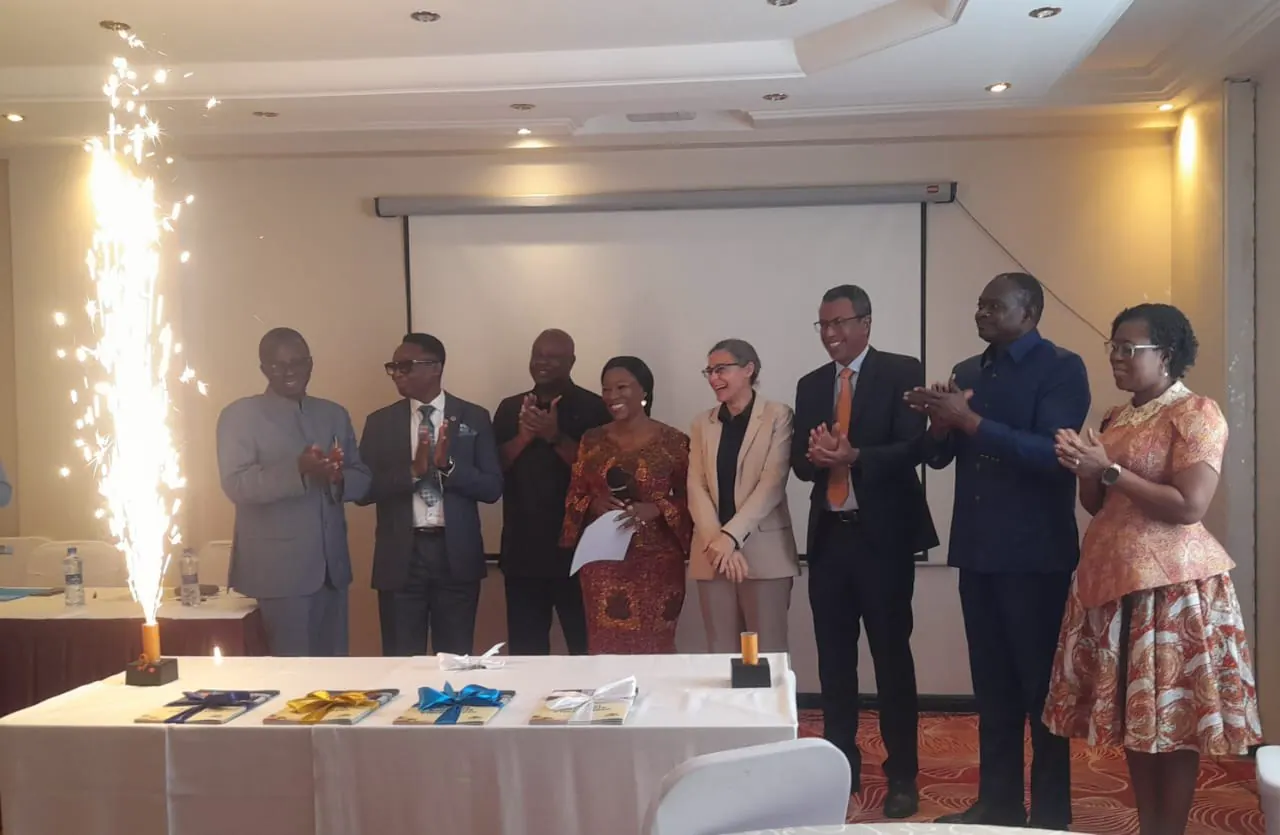
The Ghanaian government has confirmed the presence of heavy metals in food and consumer products sold in the country, prompting a five-year strategic plan to tackle the problem. The plan, launched on September 21, 2026, aims to reduce heavy metal contamination in the food chain. Deputy Minister of Health Prof. Grace Ayensu-Danquah stated that the plan is a direct response to evidence of lead, cadmium, mercury, and arsenic in some food and consumer products.
According to assessments, 29 percent of cereal-based mixed food samples exceeded permitted cadmium limits, while 42.09 percent of turmeric samples had lead levels above the allowed threshold. Additionally, 24.6 percent of bentonite products tested also exceeded permitted lead limits. Ayensu-Danquah urged that the findings be treated as a call for targeted regulatory action rather than public panic.
The health stakes for ordinary Ghanaians, particularly children, are significant. A survey by the Ghana Health Service, Pure Earth, and UNICEF found that 52 percent of children under five in Ghana had elevated blood lead levels. Emmanuelle Collet, UNICEF's Deputy Country Director, called for stronger action to cut children's exposure to lead, citing its impact on brain development and learning.
Heavy metals enter the food chain through mining and industrial pollution, improper use of fertilizers and pesticides, and contaminated food-contact materials. The link to mining ties the strategy directly to Ghana's ongoing galamsey crisis, as illegal small-scale mining has repeatedly been blamed for polluting water bodies used for farming and drinking.
The Food and Drugs Authority (FDA) will intensify testing, surveillance, and enforcement under the plan, and has already expanded its testing regime to include cadmium screening in sachet and bottled water. The broader plan runs from 2026 to 2030 and is built around five pillars: strengthening the regulatory and legal framework, improving laboratory and surveillance capacity, addressing contamination at its source, tightening industrial compliance, and boosting public awareness.
Deputy Chief Executive Officer of the Food Division at the FDA, Roderick Daddey-Adjei, stated that pollution from illegal mining could contaminate water used for farming, allowing heavy metals to seep into crops and, ultimately, the food chain. The FDA's efforts aim to prevent damage to public health, erode consumer confidence, hurt business reputation, and jeopardize Ghana's access to international export markets.
The five-year plan aims to mitigate the risks associated with heavy metal contamination in food and consumer products. Ghana's economy relies heavily on agricultural exports, and contamination findings of this kind carry direct consequences for farmers, food processors, and traders who depend on meeting international safety standards to sell abroad.
Key points
- The Ghanaian government has launched a 5-year plan to reduce heavy metal contamination in the food chain.
- 52 percent of children under five in Ghana have elevated blood lead levels.
- Heavy metals enter the food chain through mining and industrial pollution, improper use of fertilizers and pesticides, and contaminated food-contact materials.