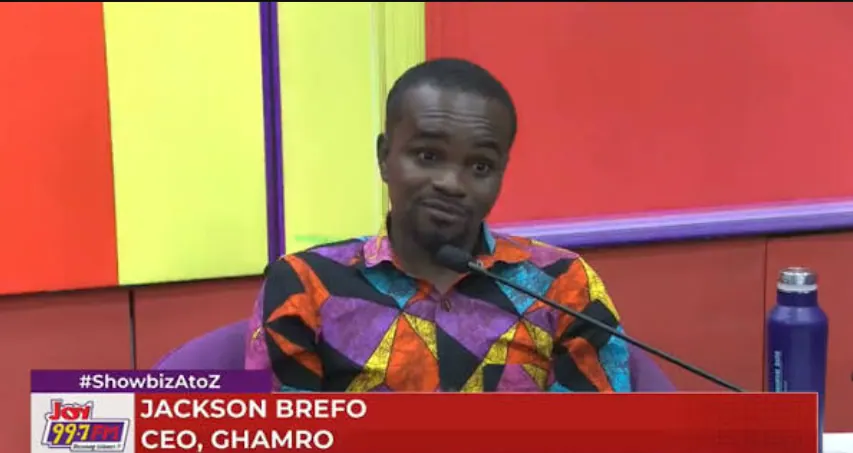
The Ghana Music Rights Organisation (GHAMRO) has reaffirmed that churches in Ghana are required to pay royalties for copyrighted music used during services. According to GHAMRO's Chief Executive Officer, Jackson Brefo, Ghana's copyright law does not exempt churches from paying royalties when copyrighted music is performed publicly during worship. This stance has been a point of contention for years, with GHAMRO pushing for churches to be brought into the royalty system.
Mr. Brefo explained that the law applies to anyone who uses an author's work or causes it to be performed in public, regardless of the institution involved. Although the law provides for certain forms of fair use, particularly for educational purposes, it does not specifically list churches as exempt from royalty payments. As a collective management organisation, GHAMRO administers the rights of music rightsholders in Ghana, including licensing music users, collecting royalties, and distributing the proceeds to the owners of the rights.
GHAMRO has had relatively better cooperation from some established orthodox denominations, such as the Church of Pentecost, Assemblies of God, and the Methodist Church. However, securing compliance from some newer charismatic and Pentecostal churches has been more challenging. Mr. Brefo called on gospel artistes to engage church leaders and encourage them to fulfil their obligations to copyright owners, which could have a direct impact on the amount of money generated and eventually distributed to gospel musicians.
The demand for churches to pay royalties is not new. In July 2017, then GHAMRO Chairman Rex Omar said the organisation was putting measures in place to ensure churches paid for music used during worship. He argued that such use involved musicians' intellectual property. In March 2020, Rex Omar returned to the issue, advocating for churches to be licensed and billed for copyrighted music performed during services.
The organisation's position is linked to Section 37(2) of the Copyright Act, 2005 (Act 690), which provides for copyright owners to collect royalties from the live performance of copyright works or the public performance of recorded works. GHAMRO's responsibilities include licensing music users, collecting royalties, and distributing the proceeds to the owners of the rights.
Mr. Brefo's latest comments have brought the long-running church royalty debate back into focus, particularly over how copyrighted gospel and other musical works are used during worship and whether creators are adequately compensated for that use. The issue has sparked renewed discussion on the need for churches to respect the intellectual property rights of musicians.
Improving compliance within the Christian community could have a significant impact on the amount of money generated and eventually distributed to gospel musicians whose works are regularly used in churches. GHAMRO's efforts to secure royalties from churches are part of a broader push to ensure that music creators are fairly compensated for their work.
Key points
- Churches in Ghana must pay royalties for copyrighted music used during services.
- GHAMRO has had better cooperation from established orthodox denominations.
- The issue is linked to Section 37(2) of the Copyright Act, 2005 (Act 690).