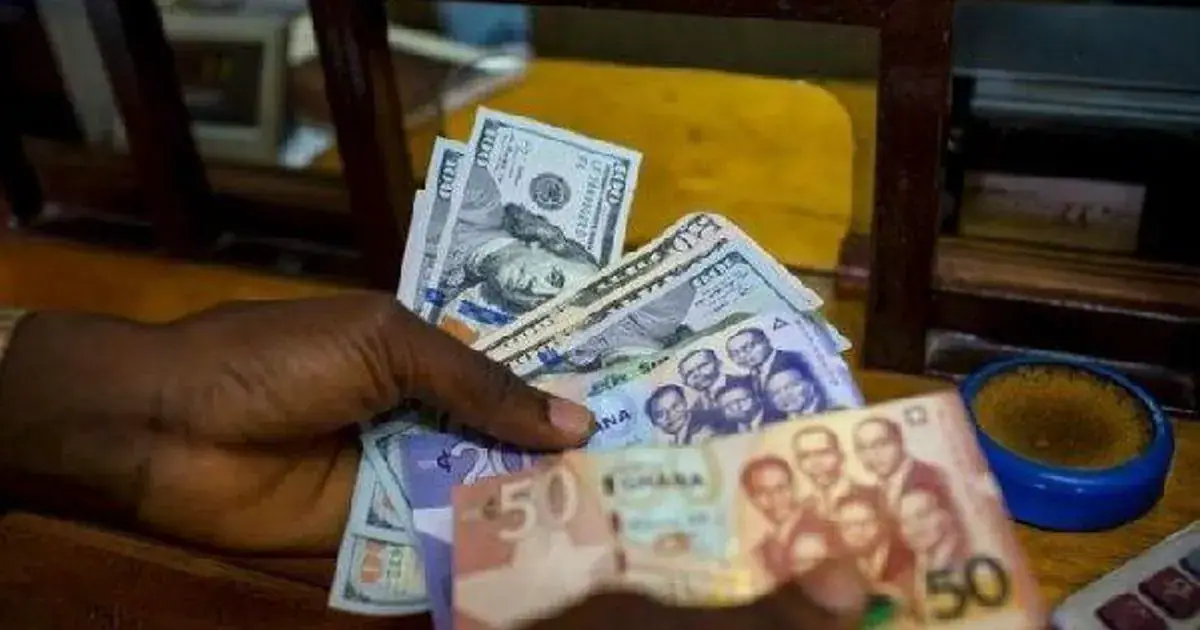
The Ghana cedi has depreciated against the US dollar, euro, and British pound, according to the Bank of Ghana's latest reference rates. As of November 3, the cedi's buying rate for the dollar rose to GH¢11.6542, while the selling rate increased to GH¢11.6658. This indicates that more cedis are required to buy or sell the dollar at the latest reference rates. The cedi's decline against major currencies may have implications for the cost of imported goods and services.
The euro recorded the largest increase in its buying rate, rising by GH¢0.0973 to GH¢13.0532. The pound sterling also saw an increase, with its buying rate moving from GH¢15.5549 to GH¢15.6364, representing a rise of GH¢0.0815. The selling rate for the pound climbed from GH¢15.5704 to GH¢15.6520, an increase of GH¢0.0816. These changes reflect the cedi's weakening position against major currencies.
According to the Bank of Ghana, the latest exchange rates represent average interbank rates used by commercial banks for transactions at the close of business on Monday, November 2. The central bank's reference rates may differ from the rates offered by individual commercial banks and foreign exchange bureaux. This highlights the importance of monitoring exchange rates for businesses and individuals engaged in foreign transactions.
A sustained depreciation of the cedi could lead to increased costs for imported goods and services, potentially adding to inflationary pressures. However, the effect on consumers and businesses will depend on how exchange rates evolve and how changes in the reference rates are reflected in transactions. The Bank of Ghana's reference rates serve as a benchmark for commercial banks and other financial institutions.
The Bank of Ghana's daily exchange rates show that the dollar's buying rate increased from GH¢11.6142 on Monday, November 2, to GH¢11.6542, while its selling rate rose from GH¢11.6258 to GH¢11.6658. Both rates recorded an increase of GH¢0.0400. This upward movement in exchange rates may have implications for businesses that rely on foreign currency.
Among the three major currencies, the euro recorded the largest increase in its buying rate, while the pound posted the highest increase in its selling rate. The changes in exchange rates may affect businesses that engage in international trade and investment. The Bank of Ghana's reference rates provide a critical benchmark for these transactions.
The Ghana cedi's depreciation against major currencies highlights the need for businesses and individuals to monitor exchange rates closely. The Bank of Ghana's reference rates provide a reliable source of information for making informed decisions about foreign transactions. As the cedi continues to fluctuate, stakeholders will be watching exchange rates closely for signs of stability or further depreciation.
Key points
- The Ghana cedi has weakened against the US dollar, euro, and British pound.
- The euro recorded the largest increase in its buying rate.
- A sustained depreciation of the cedi could lead to increased costs for imported goods and services.