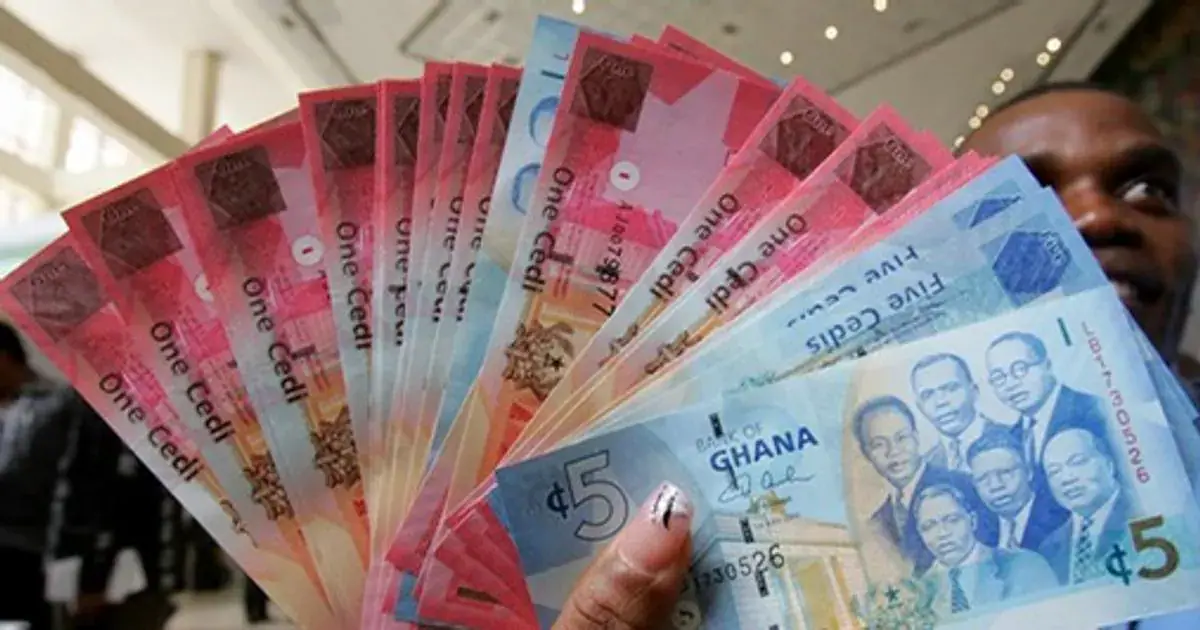
The Ghana cedi experienced modest depreciation against major trading currencies, according to Bank of Ghana rates for October 30, 2026. The British pound posted the largest gains, while the dollar and euro also strengthened. This development indicates that more cedis are required to buy each of the three foreign currencies at the latest reference rates.
The central bank’s daily exchange rates for Friday, October 30, 2026, show increases in the buying and selling rates of all three major currencies compared with Thursday’s figures. The US dollar’s buying rate rose to GH¢11.6457 from GH¢11.6200, an increase of GH¢0.0257, representing approximately 0.22%. Its selling rate also increased from GH¢11.6316 to GH¢11.6573, up GH¢0.0257.
The pound sterling recorded the largest increase in its buying rate. It rose from GH¢15.4569 on Thursday to GH¢15.5656 on Friday, a difference of GH¢0.1087, or approximately 0.70%. Its selling rate increased from GH¢15.4724 to GH¢15.5823, representing a rise of GH¢0.1099, or about 0.71%. This significant increase in the pound’s value against the cedi may impact trade and investment between Ghana and the UK.
The euro also strengthened against the cedi. Its buying rate increased from GH¢12.9401 to GH¢12.9952, up GH¢0.0551, equivalent to approximately 0.43%. The euro’s selling rate moved from GH¢12.9508 to GH¢13.0081, an increase of GH¢0.0573, or around 0.44%. These changes may affect Ghana’s trade relationships with European countries.
According to the Bank of Ghana, the movements in the exchange rates indicate a modest depreciation of the local currency over the period. This development may have implications for Ghana’s economy, particularly for businesses and individuals involved in international trade. The cedi’s performance against major currencies is closely monitored by economists and policymakers.
Maxwell Kwadwo Nyagamago reported on the exchange rates on October 30, 2026, citing data from the Bank of Ghana. The central bank provides daily updates on exchange rates to help businesses, investors, and individuals make informed decisions about foreign currency transactions. These updates are crucial for maintaining transparency and stability in Ghana’s foreign exchange market.
The changes in exchange rates may influence various sectors of Ghana’s economy, including finance, trade, and investment. As the cedi continues to fluctuate against major currencies, stakeholders will be monitoring the situation closely to assess potential impacts on the economy. The Bank of Ghana plays a critical role in managing the country’s foreign exchange market and maintaining economic stability.
Key points
- The Ghana cedi weakened against the dollar, pound, and euro on October 30, 2026.
- The pound sterling recorded the largest increase in its buying rate, rising by GH¢0.1087.
- The changes in exchange rates may have implications for Ghana’s economy, particularly for businesses and individuals involved in international trade.