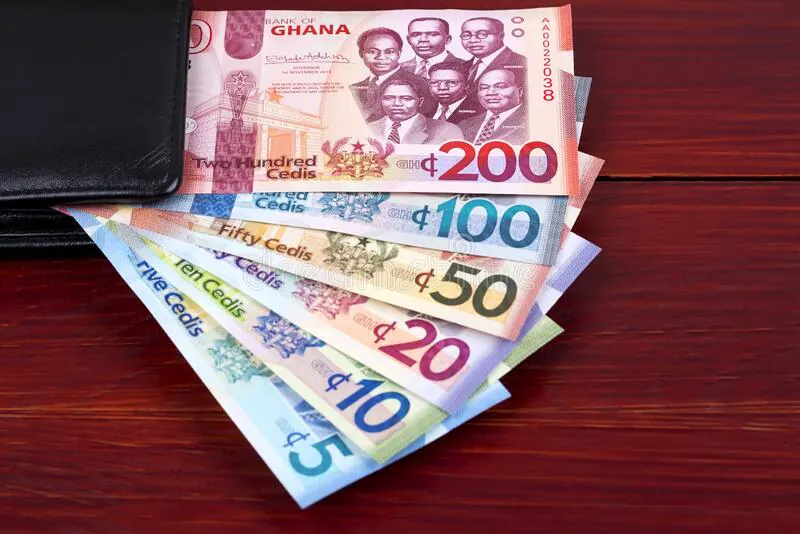
The Ghana cedi experienced a significant decline in value during the second quarter of 2026, emerging as the worst-performing African currency, according to data from the World Bank's October Africa Economic Update. The report highlights that the cedi depreciated by nearly 10 percent against the United States dollar between March and June. This decline was attributed to escalating conflicts in the Middle East, which led to broader regional depreciation.
The impact of the Middle East conflicts on African currencies was widespread, with several countries experiencing significant declines. The Lesotho loti, Namibia dollar, South Africa rand, and Swaziland lilangeni each dropped by more than 6 percent. The World Bank noted that the initial market reaction was characterized by immediate downward trends in regional currencies following heightened geopolitical tensions.
The World Bank's report emphasized that several countries, including Ghana, recorded significant currency depreciations during the second quarter of 2026. In seven of the 22 countries monitored, excluding the CFA franc zone, the maximum depreciation exceeded 5.0%, including in the Democratic Republic of Congo, Seychelles, and South Africa. The report also noted that market conditions stabilized heading into the late summer months, with much of the pressure easing by end-August.
Economic vulnerabilities and external shocks played a significant role in exacerbating the impact of international turmoil on developing economies, including Ghana. Surging oil and energy costs expanded import bills for net energy-importing nations, accelerating demand for greenbacks and depleting foreign reserves. This dynamic led to local currency devaluation, further complicating the economic situation.
The ongoing pressure on the Ghana cedi is evident in foreign exchange trading data, which shows that the currency extended its total year-to-date decline against the dollar past 10 percent during recent weeks. Interbank figures indicate that the cedi traded at 11.62 cedis per dollar following a weekly decline of nearly 1.4 percent.
The cedi's performance against other major foreign currencies presented a mixed picture during the same period. The local currency gained ground against the British pound and the euro in wholesale trading channels, reaching 15.40 cedis and 13.24 cedis respectively. Retail foreign exchange markets mirrored these mixed trends, with the cedi strengthening slightly against both the dollar and the euro at retail counters.
Despite the challenges, Ghana's macroeconomic resilience and growth outlook remain a focus for analysts and policymakers. The country's ability to navigate these complex global economic conditions will be crucial in determining the cedi's future performance and the broader economic trajectory.
Key points
- Ghana cedi depreciated nearly 10% against US dollar in Q2 2026.
- Regional currencies experienced significant declines due to Middle East conflicts.
- Economic vulnerabilities and external shocks exacerbated impact of international turmoil on Ghana's economy.