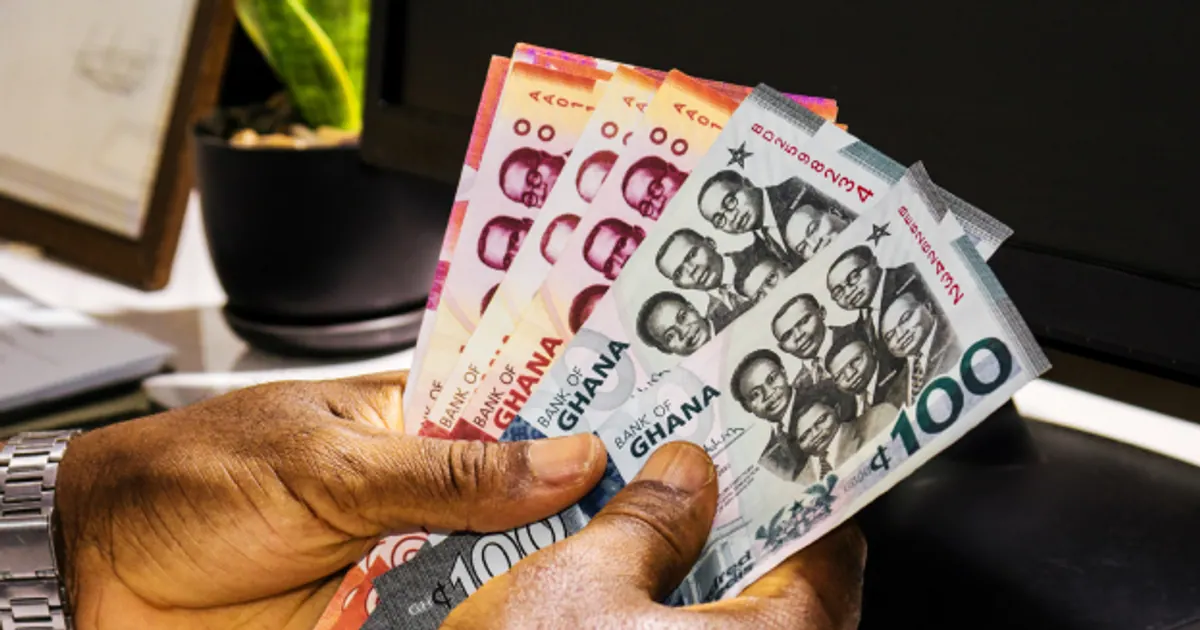
The Ghana cedi recorded the sharpest depreciation among 22 African currencies monitored by the World Bank during the second quarter of 2026. This significant decline was attributed to the escalation of the Middle East conflict, which intensified pressure on currencies across the continent. According to the World Bank’s October 2026 Africa Economic Update, the cedi fell nearly 10% against the US dollar between the end of February and June 2026.
The World Bank linked the pressure on African currencies to higher energy prices and global financial uncertainty. The report noted that most countries with available daily exchange rate data recorded currency depreciations during the second quarter of 2026 relative to end-February, before the conflict intensified. Seven of the 22 countries monitored, excluding the CFA franc zone, experienced maximum depreciation exceeding 5%, with Ghana, the Democratic Republic of Congo, the Seychelles, and South Africa among those affected.
The World Bank attributed the currency movements to a combination of external shocks and existing domestic vulnerabilities. The sharp increase in oil and energy prices raised import bills for net energy-importing countries, increasing demand for US dollars and weakening foreign exchange positions. Heightened geopolitical uncertainty triggered a flight to safety in global financial markets, prompting capital reallocation away from emerging and frontier economies.
Supply disruptions also increased the cost of agricultural inputs such as fertiliser, adding to inflationary pressures in importing countries. For countries with significant dollar-denominated debt obligations, currency depreciation increased the local-currency cost of servicing external debt. The impact, however, varied across countries, with those having heavy energy-import dependence, limited foreign exchange buffers, and high debt-service burdens facing greater pressure.
By the end of August, however, much of the pressure on African currencies had eased, with only 10 currencies remaining weaker than their end-February levels. Some economies were more resilient due to their exports providing additional foreign exchange earnings. South Africa benefited from stronger demand for gold and platinum, while oil exporters such as Angola and Nigeria gained from higher crude oil prices, which increased export receipts and foreign currency inflows.
Despite the sharp second-quarter decline, the World Bank noted that pressure on African currencies had eased by the end of August. The cedi, however, remained under pressure later in the year. By early October, market data showed the currency trading around GH¢11.70 to the US dollar, compared with GH¢11.60 a week earlier. The World Bank’s latest assessment places the cedi’s second-quarter performance in the context of a broader regional shock.
The top 5 African currencies with the highest depreciation in Q2 2026 were: Ghana Cedi (nearly 10%), Lesotho Loti (over 6%), Namibia Dollar (over 6%), South Africa Rand (over 6%), and Eswatini Lilangeni (over 6%). The World Bank’s report highlights the need for countries to address domestic economic vulnerabilities and develop strategies to mitigate the impact of external shocks on their currencies.
Key points
- The Ghana cedi recorded the sharpest depreciation among 22 African currencies monitored by the World Bank during the second quarter of 2026.
- The World Bank attributed the pressure on African currencies to higher energy prices and global financial uncertainty.
- The cedi remained under pressure later in the year, trading around GH¢11.70 to the US dollar by early October.