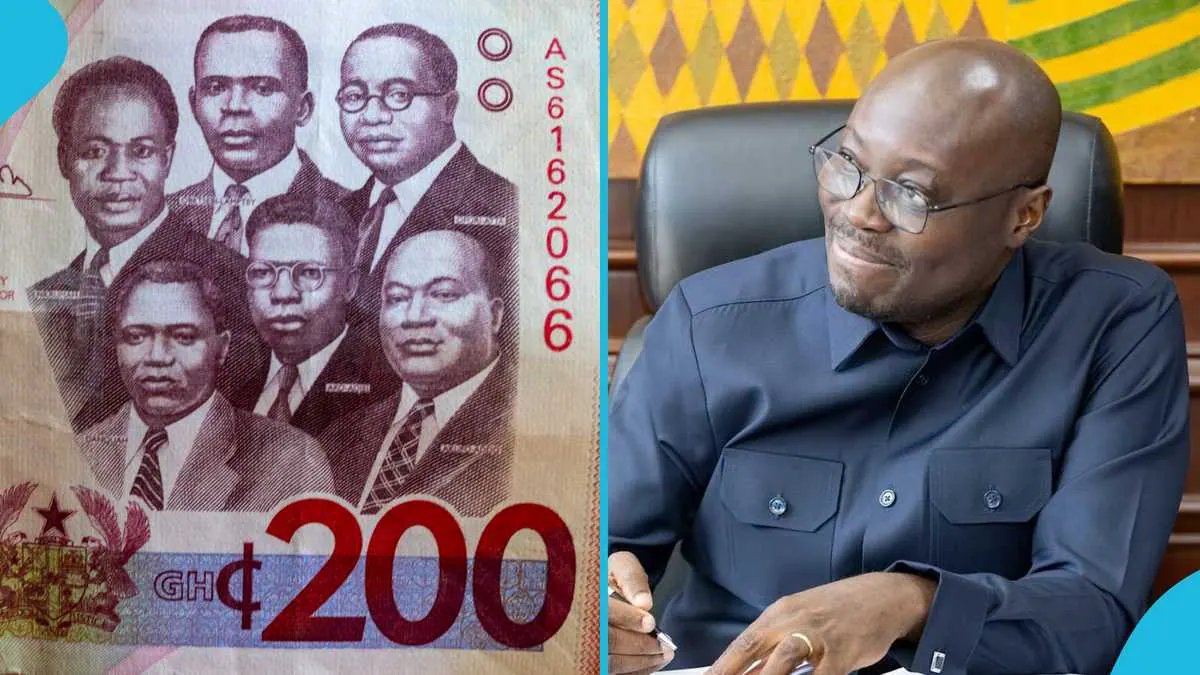
The Ghana cedi has been identified as the weakest currency on the African continent for the second quarter of 2026. According to the World Bank's October 2026 Africa Economic Update, the cedi lost nearly 10% of its value against the US dollar between March and June 2026. This significant depreciation outpaced declines across 21 other monitored African currencies. The World Bank attributed the widespread weakness across African currencies to the intensification of the Middle East conflict.
The cedi's decline was the steepest in Africa during the period, with the Lesotho loti, Namibian dollar, South African rand, and Swaziland lilangeni following with depreciations exceeding 6%. The World Bank's report noted that most countries with available daily exchange rate data recorded currency depreciations during the second quarter of 2026 relative to end-February, before the conflict intensified. Seven of the 22 countries monitored, including Ghana, recorded maximum depreciations exceeding 5.0%.
The World Bank linked the depreciation to the escalating Middle East conflict, rising oil prices, and existing domestic vulnerabilities in affected economies. The intensification of the conflict sent shockwaves through global financial markets during the second quarter of 2026. Surging oil and energy prices swelled import bills across net energy-importing economies, driving up demand for US dollars and draining foreign reserves.
The report noted that conditions had partially stabilised by late August, with much of the pressure easing and only 10 currencies remaining weaker than their end-February levels. However, for countries carrying heavy external debt burdens, currency weakness compounded fiscal stress, as the local-currency cost of repaying US dollar-denominated obligations rose in line with exchange rate losses.
Beyond the period covered by the World Bank's analysis, the cedi has continued to struggle, with its year-to-date depreciation against the US dollar extending to 10.04%. The interbank market recorded a further 1.39% weakening to GH¢11.62 per dollar over the most recent two-week window. The cedi's performance against other major currencies was more mixed, gaining 0.70% against the pound and 0.47% against the euro.
The Bank of Ghana has sought to reassure businesses, describing the recent depreciation as temporary market movements and maintaining that it has sufficient capacity to support the market when required. Ghana's international reserves have crossed $14 billion, according to the latest available data from the Bank of Ghana. The central bank has downplayed concerns over the cedi's early-year depreciation in 2026.
The cedi's decline has significant implications for Ghana's economy, particularly for businesses and individuals with foreign currency-denominated obligations. The Bank of Ghana's efforts to stabilise the currency are crucial to mitigating the impact of the depreciation on the economy. The World Bank's report highlights the need for continued economic reforms and prudent management to address the country's economic challenges.
Key points
- The Ghana cedi lost nearly 10% of its value against the US dollar between March and June 2026.
- The World Bank attributed the depreciation to the escalating Middle East conflict, rising oil prices, and existing domestic vulnerabilities.
- Ghana's international reserves have crossed $14 billion, according to the latest available data from the Bank of Ghana.