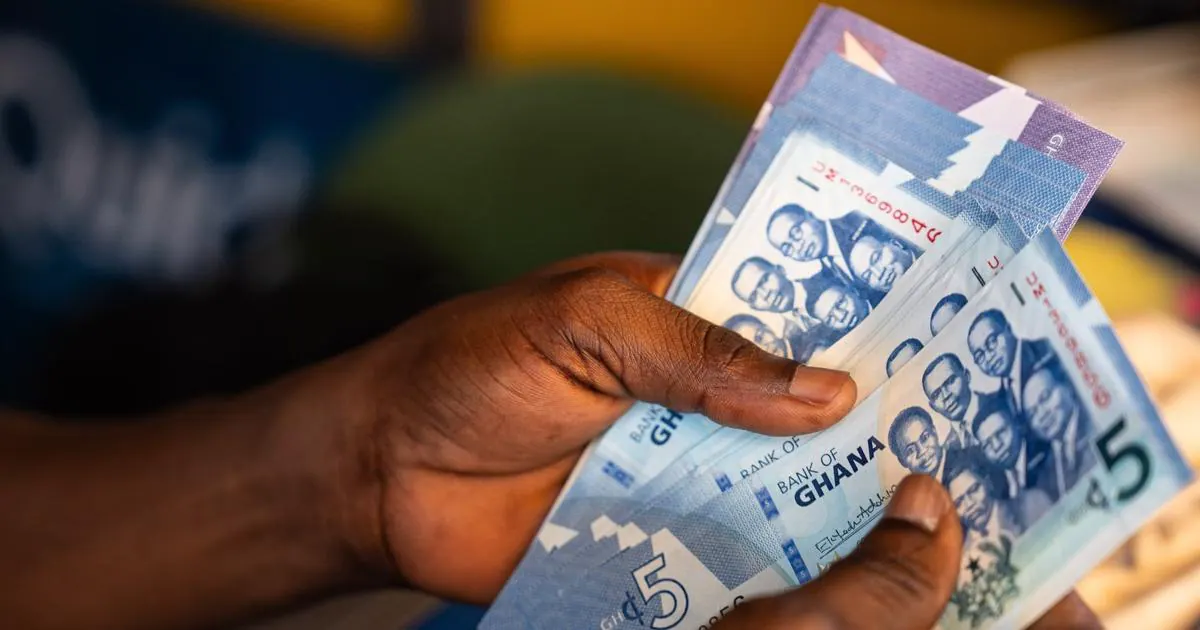
The Bank of Ghana (BoG) has reminded the public that several common ways of handling Ghanaian currency constitute offences under the Currency Act, 1964 (Act 242). The central bank has warned that practices such as spraying money, stepping on notes, and damaging currency are illegal. These practices have become common at social events, including weddings, birthdays, and graduations. However, the BoG stresses that the widespread nature of these activities does not make them lawful.
The BoG has identified eight specific practices that could result in legal consequences. These include spraying or throwing cedi notes, which is considered tampering, alteration, defacement, or improper use of currency. The central bank has also prohibited stepping on or scattering money, which is considered improper handling of the national currency. Furthermore, damaging banknotes and coins, including tearing, crumpling, staining, and soiling, is also prohibited.
Writing on cedi notes, cutting them, altering them, or otherwise defacing them is also prohibited under the provisions covering offences relating to notes and coins in Act 242. Members of the public are expected to keep banknotes free from markings or alterations that could affect their appearance or integrity. Additionally, using images of cedi notes without permission from the central bank is also prohibited.
The BoG has cautioned against using images or representations of Ghanaian banknotes and coins without obtaining the necessary permission. Anyone seeking to reproduce or use the designs of the country's currency is expected to comply with the applicable requirements. Unlawful buying and selling of coins, including buying or selling a coin for an amount greater than its face value, is also prohibited.
The central bank has also warned against practices that compromise the integrity of currency, including gilding, silvering, or colouring coins, as well as filing, cutting, or otherwise altering their appearance, weight, or value. Possessing filings, scrapings, or pieces obtained from tampering with coins is also prohibited. The BoG stresses that the popularity of these practices does not remove their legal implications.
The Bank of Ghana has taken enforcement action against individuals who engage in these prohibited practices, including arrests. The central bank maintains that Ghanaian banknotes and coins are issued primarily as legal tender and should not be deliberately tampered with, damaged, or used in ways that compromise their condition or integrity. Members of the public are encouraged to handle Ghanaian banknotes and coins appropriately and avoid activities that could amount to offences under the Currency Act.
The BoG's position is that the public should be aware of the legal implications of these practices and take necessary precautions to avoid engaging in them. The central bank has urged the public to report any instances of these prohibited practices to the relevant authorities. By doing so, the BoG aims to promote a culture of respect for the national currency and prevent the misuse of Ghanaian banknotes and coins.
Key points
- The Bank of Ghana has identified eight specific practices that could result in legal consequences under the Currency Act, 1964.
- The central bank has warned against damaging banknotes and coins, including tearing, crumpling, staining, and soiling.
- The BoG has taken enforcement action against individuals who engage in these prohibited practices, including arrests.