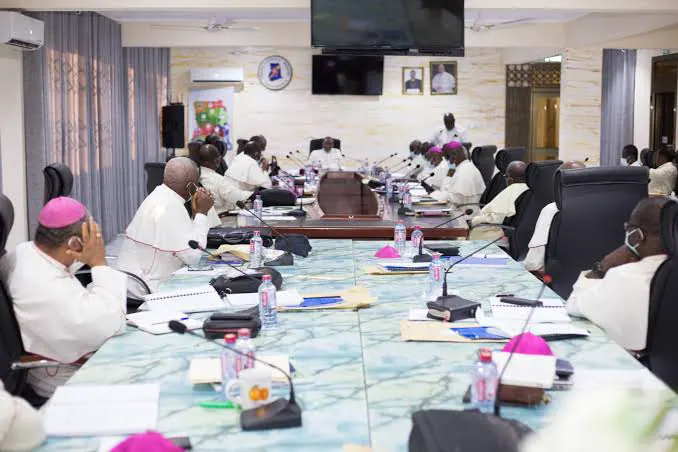
The Ghana Catholic Bishops' Conference has expressed deep concern over the growing menace of illicit drug trafficking and abuse in the country, describing it as a serious national concern and a profound moral crisis. In a statement, the Conference called for urgent, coordinated national action to combat the problem. The Bishops noted that the recent seizure of nearly 3.9 tonnes of cocaine in France, allegedly concealed in a container of plastic waste from Ghana, underscored the need for stronger surveillance and accountability at the country's ports, airports, and borders.
The Bishops commended the Narcotics Control Commission (NACOC) and other state agencies involved in combating the drug trade, while urging continued cooperation with French authorities to uncover the full extent of the trafficking network. They also welcomed President John Dramani Mahama's formation of an inter-agency task force to tackle the movement of narcotic drugs through Ghana's ports, airports, and borders. The Conference emphasized that the fight against drug trafficking must be a collective effort, involving all stakeholders.
The Ghana Catholic Bishops' Conference noted that the Dunkirk seizure should be viewed within the context of a wider national problem, citing other narcotics interceptions linked to Ghana in recent years. The Bishops expressed concern over the alleged involvement of people in positions of trust, including public officials and, regrettably, members of the Church. They stressed that the fight against drug trafficking must include anyone who abuses public trust to facilitate the movement of illicit substances.
The Conference urged investigators to look beyond couriers and identify the financiers and principal traffickers behind the trade. They noted that a pattern in which couriers are prosecuted while the networks that finance them escape scrutiny is a failure that any credible national response must overcome. The Bishops emphasized that dismantling the trafficking networks requires a comprehensive approach that addresses the root causes of the problem.
The Ghana Catholic Bishops' Conference called for thorough investigations to establish how such a large consignment allegedly passed through legitimate commercial channels. They emphasized that stronger surveillance and accountability at the country's ports, airports, and borders are essential to preventing the movement of illicit substances. The Bishops also urged the government to take steps to address the social and economic factors that contribute to the drug trade.
The Conference's statement reflects the growing concern over the impact of drug trafficking on Ghana's society. The country's ports and borders have been identified as a major entry point for illicit substances, and the government has been urged to take steps to strengthen security and prevent the movement of narcotics. The formation of an inter-agency task force is seen as a positive step towards addressing the problem.
The Ghana Catholic Bishops' Conference has reiterated its commitment to working with the government and other stakeholders to combat the drug trade. The Bishops emphasized that the fight against drug trafficking requires a sustained effort and a comprehensive approach that addresses the root causes of the problem. They urged all Ghanaians to support efforts to dismantle the trafficking networks and prevent the spread of illicit substances.
Key points
- The Ghana Catholic Bishops' Conference has called for urgent, coordinated national action to combat illicit drug trafficking and abuse.
- The Conference commended the Narcotics Control Commission (NACOC) and other state agencies involved in combating the drug trade.
- The Bishops urged investigators to look beyond couriers and identify the financiers and principal traffickers behind the trade.