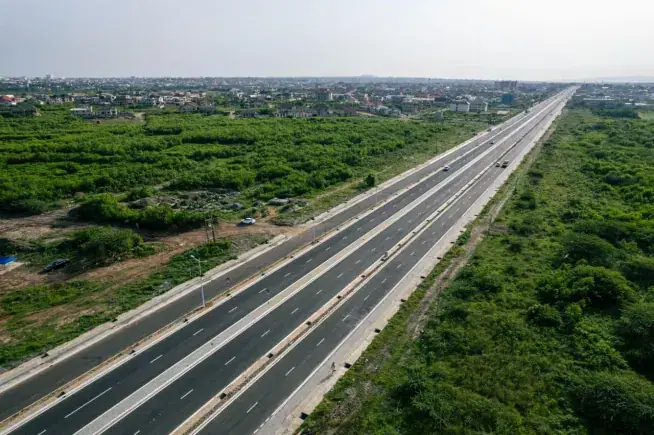
Economics Professor Godfred Alufar Bokpin has stated that Ghana cannot celebrate spending cuts while a huge infrastructure deficit continues to burden citizens and hold back growth. He made these comments on Joy News' PM Express, acknowledging the government's progress in stabilising the economy but warning that its heavy reliance on expenditure cuts would delay benefits for ordinary Ghanaians.
Prof Bokpin's comments come ahead of Finance Minister Dr Cassiel Ato Forson's presentation of the 2027 Budget, which is expected to unveil a four-year New Economy programme. The programme aims to move Ghana from stabilisation to transformation with investments in productive sectors. However, the Minority in Parliament has questioned how the programme will be financed and wants the government to account for existing flagship initiatives.
The professor explained that the 2026 Budget relied heavily on spending restraint to restore stability, which reduced demand without addressing the economy's limited production capacity. He argued that this approach cooled the economy, shrinking aggregate demand to bring down inflation rather than expanding the economy's restricted supply capacity.
Prof Bokpin noted that the consequences of this approach are evident in the gap between lower inflation and commuters' daily frustrations. He stated that lower inflation figures would offer little immediate comfort to people enduring difficult journeys. The professor credited the government with delivering much of its initial stabilisation agenda, citing falling inflation and interest rates, alongside a relatively resilient cedi.
Despite this, Prof Bokpin warned that the benefits of economic stability would take a while to reflect in the lives of Ghanaians. He argued that the approach adopted to restore macroeconomic stability would delay benefits for ordinary citizens. The professor's comments align with concerns raised by the Minority in Parliament regarding the connection between improving economic indicators and household living conditions.
Prof Bokpin also acknowledged that the government had set 2025 and 2026 as the years to restore stability, consistent with the IMF-supported programme. To this extent, he credited the administration with doing quite well in restoring macroeconomic stability. However, his comments highlight the need for a more comprehensive approach to address Ghana's infrastructure deficit and stimulate growth.
The professor's warnings come as the government prepares to unveil its New Economy programme, which aims to transform Ghana's economic structure. The programme's success will depend on its ability to address the country's infrastructure deficit and stimulate growth, rather than relying solely on spending cuts. Key to this will be the government's ability to finance the programme and account for existing flagship initiatives.
Key points
- Ghana's huge infrastructure deficit continues to hold back growth and burden citizens.
- The government's heavy reliance on expenditure cuts will delay benefits for ordinary Ghanaians.
- The New Economy programme aims to move Ghana from stabilisation to transformation with investments in productive sectors.