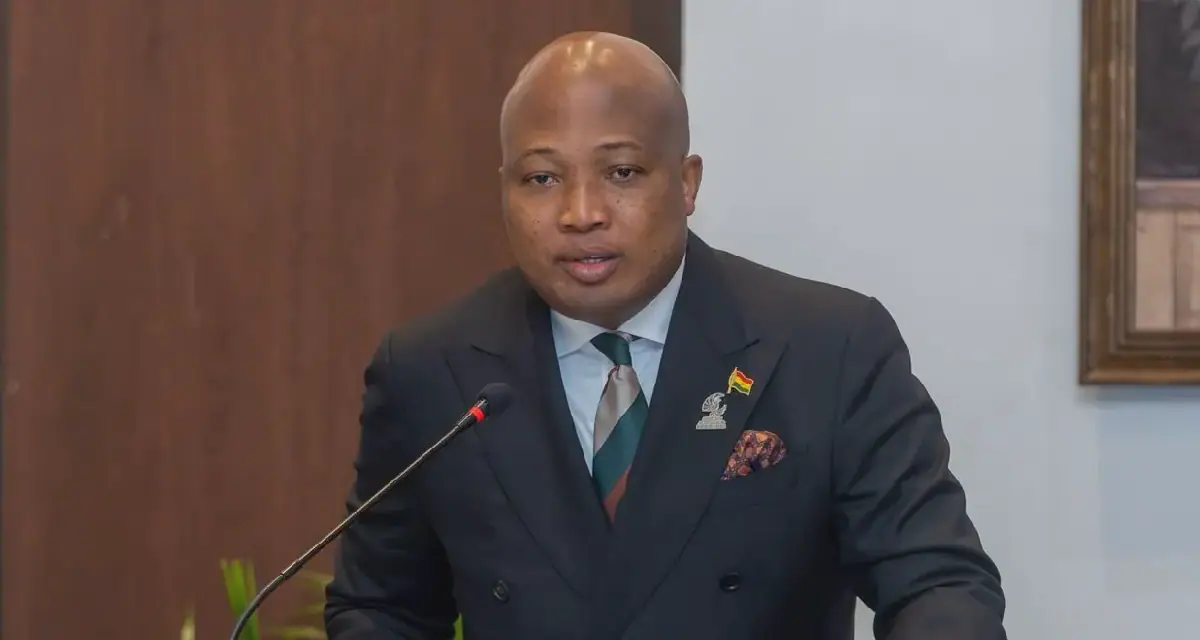
Ghana's Minister of Foreign Affairs, Samuel Okudzeto Ablakwa, has called for a fair and inclusive approach to the proposed Fossil Fuel Treaty. He emphasized that the global transition to cleaner energy should consider the economic aspirations, energy security, and sovereign priorities of fossil fuel-producing countries. This call was made at a high-level breakfast meeting on the Fossil Fuel Treaty Initiative for Commonwealth Ministers of Foreign Affairs in St. John's, Antigua and Barbuda.
Mr. Ablakwa highlighted that climate change poses a grave threat to human security, livelihoods, and sustainable development, particularly in small island developing states. Ghana recognizes the need for collective climate action but stresses that national circumstances, including energy needs, development levels, and historical contributions to greenhouse gas emissions, must inform the transition. He noted that oil and gas development has contributed to Ghana's economic transformation through employment, foreign exchange earnings, and public revenues.
The Minister emphasized that petroleum receipts have supported education, health, infrastructure, and renewable energy development in Ghana. Natural gas from domestic fields plays a central role in electricity generation, while associated gas processing supports the supply of liquefied petroleum gas for cooking. He underscored the need for an orderly transition that guarantees affordable and reliable energy for households and industry while allowing the country to expand cleaner energy sources.
Mr. Ablakwa noted that prudently managed petroleum revenues could finance renewable energy investments, strengthen the national energy mix, and support industrial development. A diversified energy system could stimulate new enterprises and create jobs, while reliable electricity would support value addition in strategic minerals and the growth of emerging green industries. However, he cautioned that petroleum investment remains sensitive to global energy transition policies, regulatory and fiscal conditions, and geopolitical uncertainty.
The Minister proposed a dedicated and accessible financing mechanism for renewable and low-carbon projects, alongside debt restructuring or relief where appropriate, and grants and concessional loans from multilateral development banks. He also called for assistance to retrofit or repurpose suitable oil and gas infrastructure for cleaner energy applications and to support economic diversification. On the social implications, Mr. Ablakwa emphasized the need for training, economic empowerment, and alternative livelihood programs to protect workers and communities dependent on petroleum activities.
Mr. Ablakwa stressed that equity, climate justice, and the principle of common but differentiated responsibilities and respective capabilities should guide negotiations on the proposed treaty. He emphasized that a uniform timetable or pathway that ignores differences in national development, resources, energy infrastructure, and fiscal capacity could undermine sustainable development and effective climate action. The Minister reaffirmed Ghana's commitment to multilateralism and the objectives of the Paris Agreement and welcomed continued engagement on the proposed treaty.
The Minister further emphasized that international cooperation should support, rather than displace, nationally determined energy strategies, and that respect for energy sovereignty and predictable international support were essential to maintaining public confidence. He noted that the Commonwealth, which brings together climate-vulnerable states and energy-producing economies, is well-positioned to promote understanding and develop approaches that balance environmental ambition with economic viability and social equity.
Key points
- Ghana urges a fair approach to the Fossil Fuel Treaty, emphasizing economic aspirations and energy security.
- The proposed treaty requires careful consideration of the economic, financial, and social implications for producing countries.
- Ghana proposes a dedicated financing mechanism for renewable and low-carbon projects to support an equitable transition.