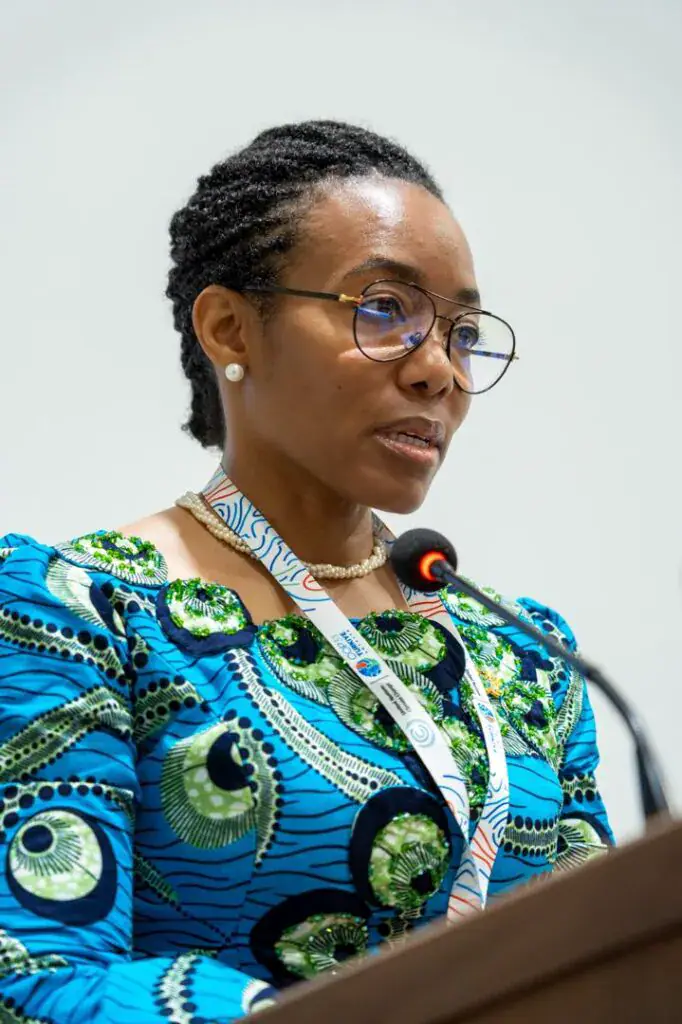
Ghana's Minister for Science and Environment, Dr Zanetor Agyeman-Rawlings, has called on African countries to unite in demanding fairer climate financing, environmental restoration, and greater control over the continent's critical mineral resources. She made the call at the Africa Day Ministerial Segment of the 31st Conference of the Parties (COP31) in Antalya, Turkey. Dr Agyeman-Rawlings stressed the need for a common African position on climate action, water security, and the sustainable exploitation of natural resources.
Dr Agyeman-Rawlings highlighted the growing impact of climate change on African communities, citing recurring floods, prolonged droughts, declining river levels, and water pollution as major threats to livelihoods, food security, and sustainable development. She also called for stronger early warning systems backed by timely financing and practical interventions at the community level to ensure that warnings translate into action and save lives.
Africa holds approximately 30 per cent of the world's reserves of critical minerals, including significant deposits of cobalt and platinum group metals, which are essential for renewable energy technologies, electric vehicles, batteries, and other clean energy solutions. However, Dr Agyeman-Rawlings expressed concern that mineral extraction has often resulted in environmental degradation, deforestation, and the pollution of rivers and other water bodies, leaving local communities to bear the consequences.
Dr Agyeman-Rawlings noted that Africa must adopt a new approach to mineral development that prioritises environmental protection, economic transformation, and the interests of its people. She urged countries that have historically benefited from resource extraction to take responsibility for supporting environmental restoration and addressing the damage caused by mining activities.
The Minister identified the African Continental Free Trade Area (AfCFTA) and the African Green Minerals Strategy as key instruments for promoting local value addition, developing regional mineral value chains, and establishing common terms for international trade in green minerals. She also outlined four priority areas Ghana believes should guide Africa's engagement in global climate negotiations, including increased adaptation finance, environmental restoration, early warning systems, and a united African position.
Dr Agyeman-Rawlings challenged the international community to recognise the shared responsibilities underpinning the global green transition. She argued that while the world depends on Africa's mineral resources to secure a sustainable future, the continent also expects its international partners to honour their climate and environmental obligations.
Concluding her address, Dr Agyeman-Rawlings urged delegates to make COP31 a defining moment in Africa's pursuit of greater economic sovereignty, environmental protection, and a stronger voice in shaping the global climate agenda. She stated, "The world needs Africa's minerals to secure its future. Africa needs the world to honour its obligations to ours."
Key points
- Dr Agyeman-Rawlings calls for a common African position on climate action, water security, and the sustainable exploitation of natural resources.
- Africa holds approximately 30 per cent of the world's reserves of critical minerals, including significant deposits of cobalt and platinum group metals.
- Dr Agyeman-Rawlings outlines four priority areas for Africa's engagement in global climate negotiations, including increased adaptation finance and environmental restoration.