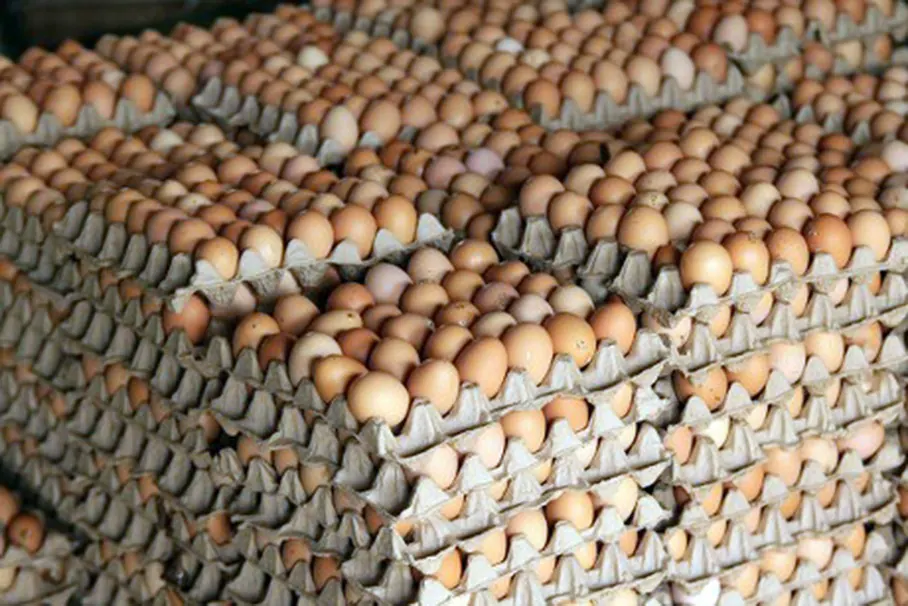
Ghana has initiated exports of eggs to Burkina Faso, as announced by the Minister for Food and Agriculture, Eric Opoku. This development follows negotiations led by President John Mahama to secure access to the neighboring country's market. The move aims to address the sustained surplus in domestic egg production.
Despite the positive step, Minister Opoku noted that the current exports have not absorbed the entire surplus. In response, the government is exploring additional domestic markets, including incorporating eggs into the School Feeding Programme. This initiative seeks to provide a stable and substantial market for egg producers while enhancing nutritional value for schoolchildren.
The government's efforts to bolster the agricultural sector include the construction of a poultry, meat, and feed processing facility at Bechem, in the Ahafo Region. The facility, expected to be completed by the end of the first quarter of 2027, will have the capacity to process 6,000 birds hourly across two production lines. It will also feature cold rooms, a feed mill, and a hatchery.
The proposed facility is seen as a significant step towards strengthening the poultry value chain in Ghana. Once operational, it will rely on contractual arrangements to secure supplies from poultry farmers. This development is expected to not only enhance production but also provide a stable market for farmers.
The editorial section of The Ghanaian Chronicle has highlighted the importance of ensuring that farmers can sell their produce profitably. The experience of the poultry sector underscores the need for a broader review of Ghana's agricultural policy, focusing on investments in storage, processing, distribution, and reliable markets.
The plan to incorporate eggs into the School Feeding Programme has been welcomed as a sensible initiative. Schools offer a potentially substantial and predictable market for egg producers, while children benefit from the nutritional value of eggs. However, proper funding, timely payments to suppliers, transparent procurement, and quality controls will be crucial for the initiative's success.
The government's strategy to address agricultural challenges extends beyond the poultry sector. For instance, the Ghana Tomato Self-Sufficiency Initiative, launched in September 2026, aims to achieve annual production of 400,000 tonnes of tomatoes. The initiative also seeks to address storage, processing, and market access issues, which have previously affected tomato farmers.
Key points
- Ghana begins exporting eggs to Burkina Faso to address surplus production
- Government explores incorporating eggs into School Feeding Programme
- New poultry processing facility to be completed by end of 2027