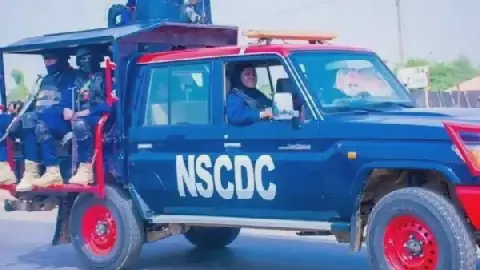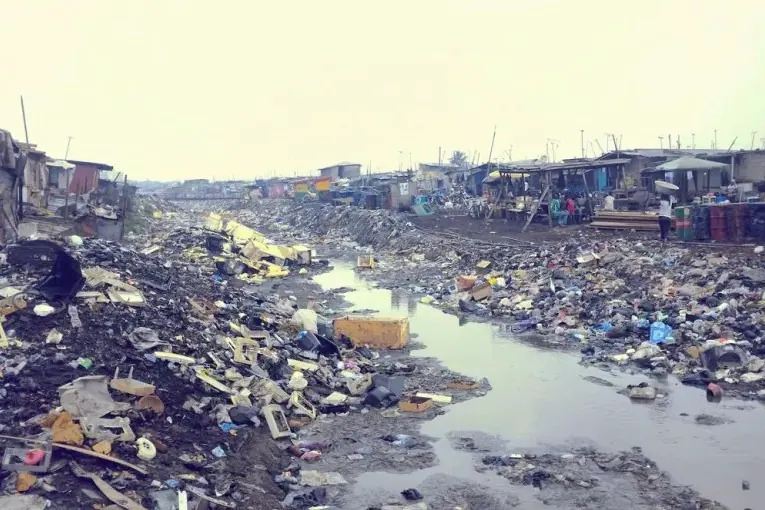
The Ghanaian government has initiated an emergency exercise to evacuate tonnes of accumulated waste along the Odaw River at Agbogbloshie, aiming to address sanitation challenges and prevent perennial flooding in Accra. The exercise, led by the Ministry of Local Government, Chieftaincy and Religious Affairs, with support from the Ghana Armed Forces, involves transporting the waste to the Adepa Engineered Landfill site at Nsawam in the Eastern Region. This effort is part of a broader strategy to improve sanitation and mitigate flood risks in the area.
President John Dramani Mahama officially launched the exercise at the waste transfer site, highlighting its significance as a precursor to the Agbogbloshie Urban Renewal Project. The project plans to utilize the reclaimed land for an industrial park, including a major textile factory intended to create employment opportunities. According to an assessment, approximately one million tonnes of waste have accumulated in the area, with an estimated clearance period of 90 days if work progresses as planned.
The President urged residents to cooperate with the exercise and emphasized the need for transparency and accountability in the use of resources. The Ghana Armed Forces will also support efforts to protect the reclaimed land from encroachment. The Chronicle, a local publication, welcomed the government's decision to begin the evacuation, recognizing it as a necessary intervention to address decades of accumulated waste and associated sanitation challenges.
The publication, however, cautioned that the real test of the exercise's success lies in what happens after the waste is cleared. It emphasized the need for the authorities to put in place practical and accessible alternatives for waste disposal to prevent the area from becoming an illegal dumping ground again. This includes designating places where residents and businesses can legitimately dispose of their waste.
Effective waste management also requires sustained public education, according to The Chronicle. Residents, traders, and businesses need to understand the health, environmental, and flooding consequences of indiscriminate dumping. Education should extend beyond discouraging waste dumping to teaching households and businesses how to segregate waste at source, identify recyclable materials, and dispose of different categories of waste appropriately.
Recycling and waste recovery should form part of the long-term solution to Ghana's waste management challenges. The authorities must ensure that resources committed to the exercise are used transparently and efficiently, as President Mahama has emphasized. The success of the exercise should be measured not only by how quickly the waste disappears but also by whether the area remains clean and whether a sustainable waste-management system is established.
The government's efforts to address the sanitation challenges at Agbogbloshie have been commended by The Chronicle, which finds the initiative a necessary step towards mitigating the area's long-standing waste management issues. The publication's editorial highlights the importance of cooperation from residents, businesses, and other stakeholders in ensuring the success of the exercise and the sustainability of the area's cleanliness.
Key points
- The Ghanaian government has begun an emergency exercise to evacuate 1 million tonnes of waste from Agbogbloshie.
- The exercise aims to address sanitation challenges and prevent perennial flooding in Accra.
- The reclaimed land is expected to be used for an industrial park, including a major textile factory.