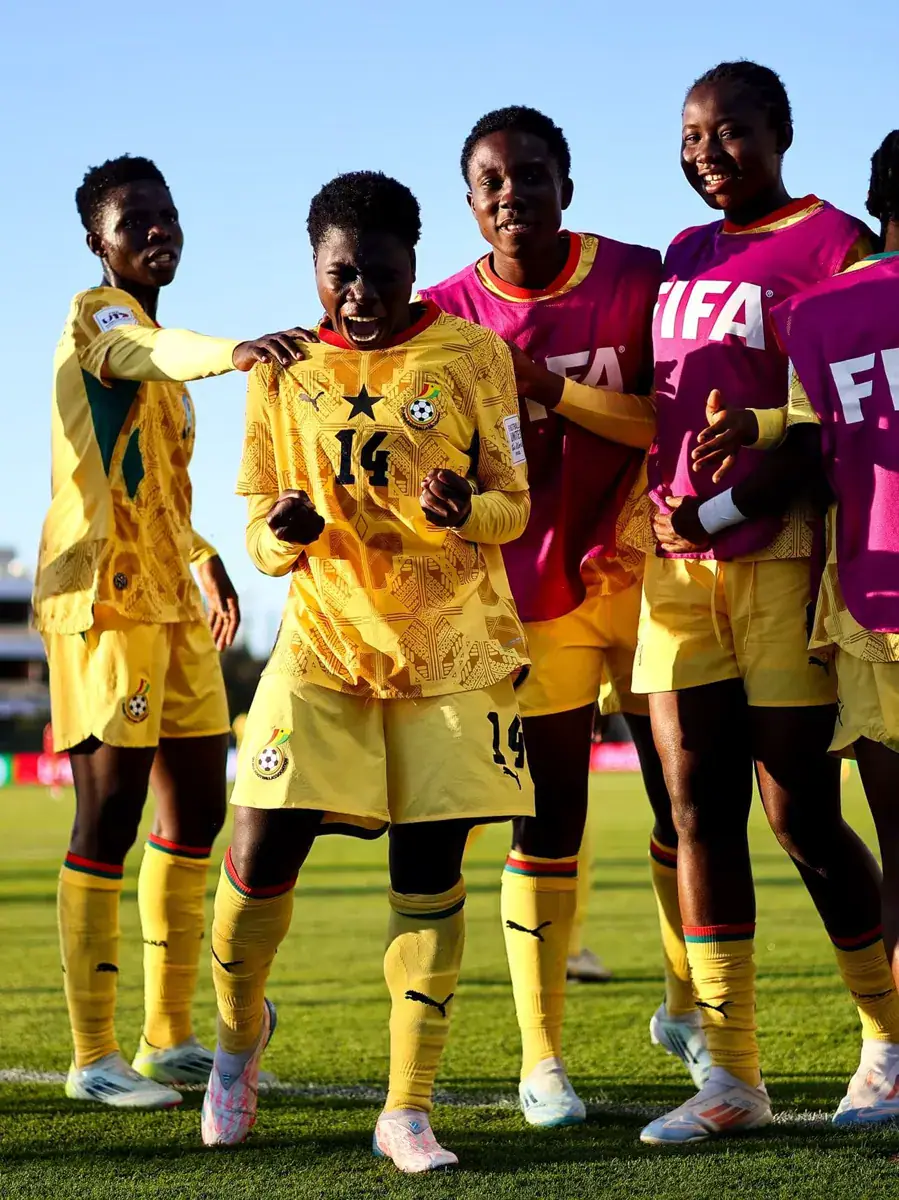
Ghana and Nigeria have emerged as the top contenders for Africa at the ongoing FIFA U-17 Women's World Cup in Morocco. The two teams have successfully navigated the tournament's early stages, with Ghana's Black Maidens set to face Japan and Nigeria's Flamingos taking on Venezuela. These matches present opportunities for African teams to advance to the global last four. The teams' progress highlights the growing competitiveness of Africa's young national teams on the world stage.
Nigeria made a significant statement by defeating reigning world champions Korea DPR and subsequently eliminating Mexico. Ghana, on the other hand, recovered from an opening defeat to draw with Brazil, beat Canada, and overcome Argentina on penalties. These results demonstrate the ability of African teams to compete against top opponents from around the world. The teams' journeys have garnered attention and praise from football fans globally.
Hosting the FIFA U-17 Women's World Cup in Morocco provides international exposure for young African players. The tournament showcases their potential, the work of their coaching teams, and the opportunities for women's football across the continent. The next step is to leverage this visibility into sustained investment in player development, clubs, and domestic competitions. This will be crucial in ensuring the long-term growth of women's football in Africa.
Morocco's hosting expertise has been evident in the tournament's organization. The country's infrastructure, which includes high-quality pitches, on-site accommodation, and sports medicine facilities, offers an ideal environment for international football. Morocco is set to host five consecutive editions of the tournament from 2025 to 2029, further solidifying its experience with FIFA competitions ahead of the 2030 World Cup.
The 2030 World Cup will be co-hosted by Morocco, Spain, and Portugal. Morocco's experience in hosting international football events will be beneficial in its preparations for the World Cup. The country's ability to host successful tournaments will also provide a platform for African teams to compete against top opponents.
The FIFA U-17 Women's World Cup has provided a platform for young African players to showcase their talent. The tournament has highlighted the need for sustained investment in player development, clubs, and domestic competitions. This investment will be crucial in ensuring the long-term growth of women's football in Africa.
Ghana and Nigeria's success at the tournament has been celebrated across Africa. The two teams have become symbols of African football's growing competitiveness on the world stage. Their progress will be closely watched as the tournament continues, with hopes that one of them will become the first African team to win the title.
Key points
- Ghana and Nigeria are the last African teams standing at the FIFA U-17 Women's World Cup in Morocco.
- The tournament has provided international exposure for young African players and highlighted the need for sustained investment in player development.
- Morocco's hosting expertise and infrastructure have been praised, and the country will co-host the 2030 World Cup with Spain and Portugal.