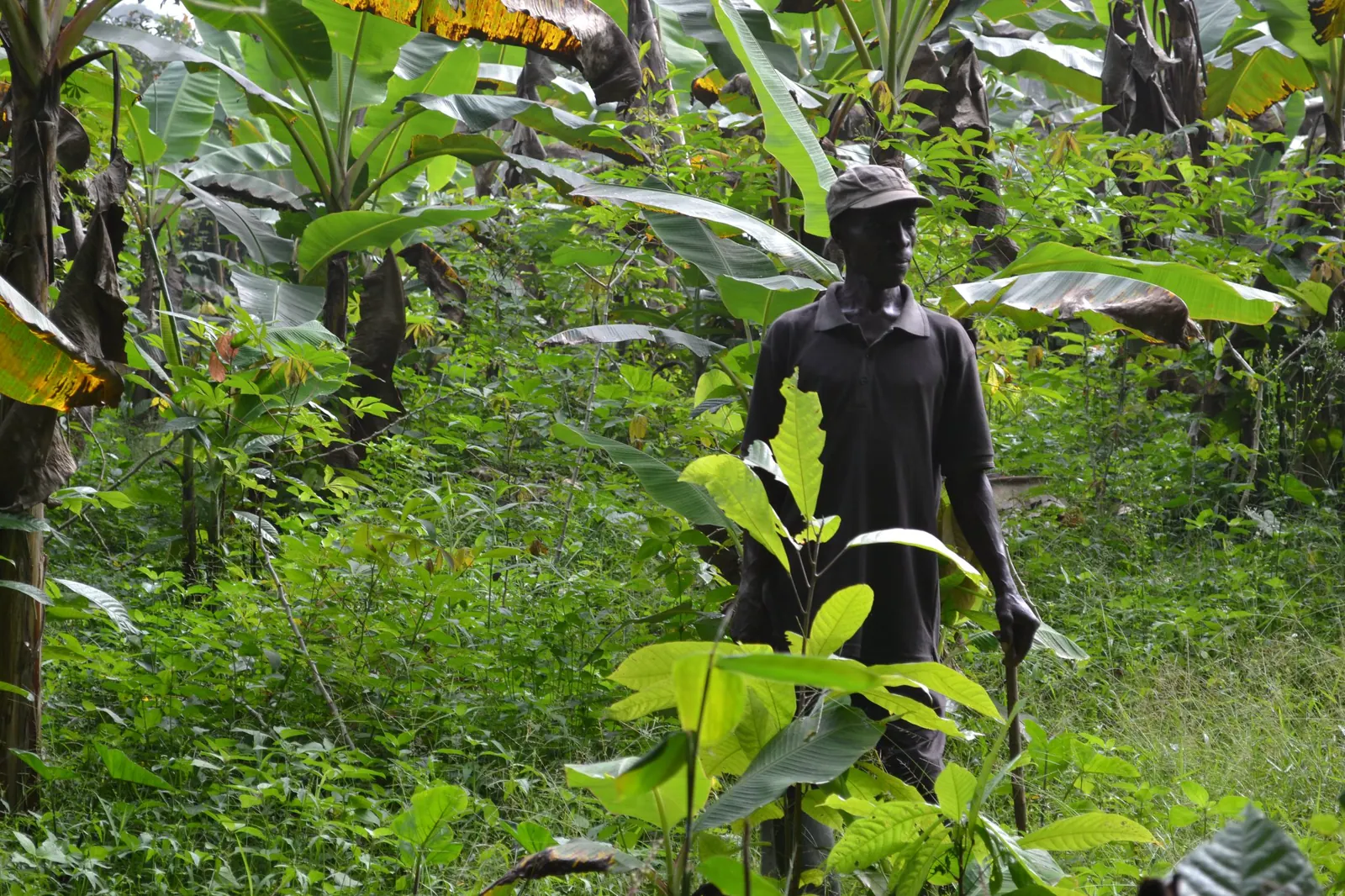
Ghana and Côte d'Ivoire, the world's largest cocoa producers, have made contrasting decisions on farm-gate prices for the new season. On September 2, Côte d'Ivoire set its price at 1,200 CFA francs per kilo, a 57% decrease from the previous season. In contrast, Ghana raised its price to GH¢42,400 a ton on September 25, under a new law guaranteeing farmers at least 70% of the export value of their beans. This disparity has sparked interest in the underlying factors driving these decisions.
Both countries have been affected by the global cocoa market crash, with futures prices dropping from a record $12,906 a ton in December 2024 to below $3,000 by February 2026. Côte d'Ivoire had forward-sold its crop at low prices, while Ghana had already taken a hit with a sharp price cut in February. However, this economic explanation only tells part of the story. Research suggests that the power dynamics within each country's cocoa sector play a significant role in shaping their pricing decisions.
Côte d'Ivoire has focused on processing, becoming the world's largest cocoa grinder in 2020/21. Local plants processed 777,000 tons, about 44% of the harvest, with global firms like Cargill, Barry Callebaut, and Olam dominating the industry. In contrast, Ghana has prioritized the farmer and the bean, with its cocoa board, COCOBOD, maintaining control over quality, marketing, and pricing. Ghanaian beans are known for their high quality and have historically sold at a premium.
The different approaches can be attributed to the varying power structures within each country's cocoa sector. In Ghana, around 800,000 cocoa-farming families form a large, well-organized group that the government cannot ignore. COCOBOD has grown into a strong, relatively autonomous regulator, with institutions formed to protect the farmer's price and the bean's reputation. In Côte d'Ivoire, reforms have given exporters and grinders more influence, with policy leaning towards their needs.
The implications of these decisions are far-reaching, with neither model being cost-free. Ghana's farmer-first system has struggled, with COCOBOD accumulating liabilities of around GH¢60 billion and output collapsing. Côte d'Ivoire's processing boom has added jobs and exports, but much of the added value goes to foreign firms, while farmers absorb the price shock. The new law in Ghana requires at least half the crop to be processed at home, testing whether a farmer-centered system can also build industry.
The experience of Ghana and Côte d'Ivoire offers valuable lessons for development partners and trade actors. For three decades, the main advice has been to join global value chains, but this approach overlooks the complex power dynamics at play. The choices made by each country reflect the interests of different groups within their cocoa sectors, highlighting the need for a more nuanced understanding of these factors.
As the global cocoa market continues to evolve, Ghana and Côte d'Ivoire will face ongoing challenges in balancing the interests of farmers, processors, and the state. Their divergent approaches serve as a reminder that there is no one-size-fits-all solution to navigating global trade and value chains. By examining the power structures and interests at play, policymakers and development partners can better support sustainable and equitable growth in the cocoa sector.
Key points
- The different pricing decisions made by Ghana and Côte d'Ivoire reflect the varying power dynamics within their cocoa sectors.
- Côte d'Ivoire's focus on processing has led to a boom in jobs and exports, but much of the added value goes to foreign firms.
- Ghana's new law guarantees farmers at least 70% of the export value of their beans and requires at least half the crop to be processed at home.