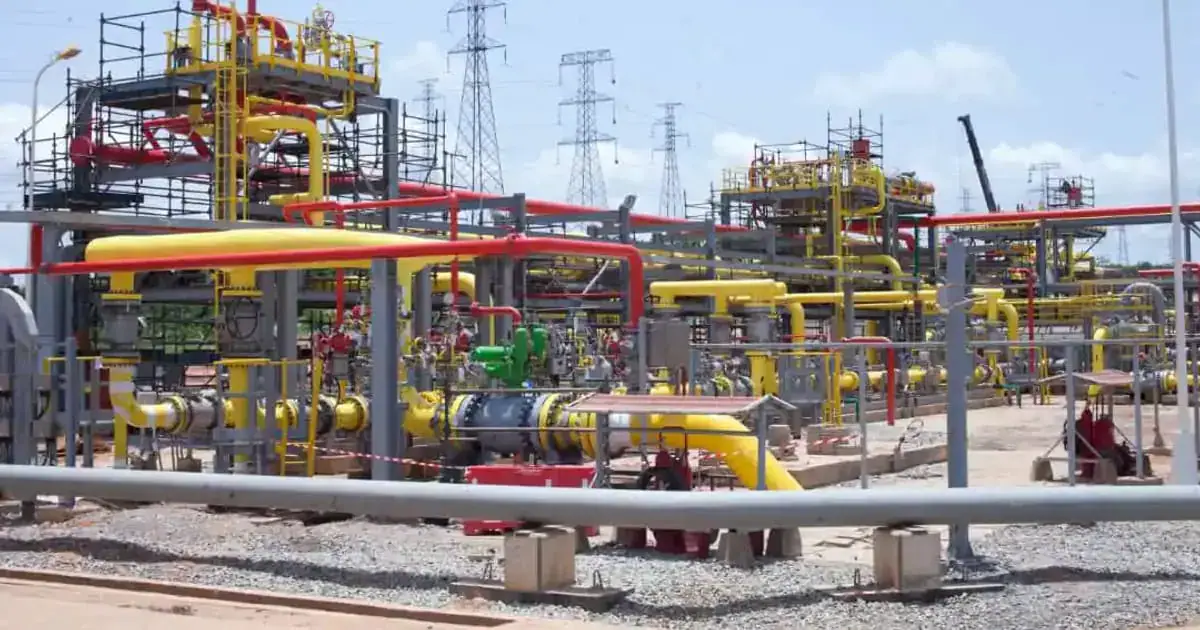
The Ghanaian government has set a goal to end liquid-fuel purchases for electricity generation by 2027. This move is part of a broader effort to expand the country's natural gas supply. The plan is to reduce reliance on liquid fuels and increase the use of natural gas for power generation. This development is expected to have a positive impact on the country's energy sector.
The government's plan to increase natural gas supply is crucial in reducing the country's dependence on liquid fuels. Currently, Ghana relies heavily on liquid fuels for electricity generation, which is costly and unsustainable in the long term. The expansion of natural gas supply is expected to provide a more reliable and cost-effective source of energy for the country.
The Bank of Ghana is also taking steps to modernize the country's currency management. A redesigned series of Ghana cedi banknotes will be introduced into circulation from December 1, 2026. The new banknotes will incorporate enhanced security features, improved durability, and smaller sizes. This move aims to strengthen public confidence in the national currency.
In addition to the energy sector development, a new ship repair and maintenance facility is being built at the Port of Takoradi. The US$137 million Shiprite project has reached financial close, and construction is expected to be completed within 18 months. The facility will boost maritime trade and provide a much-needed infrastructure for the country's shipping industry.
The government has also announced plans to lower its primary surplus target from 1.5 percent to 0.5 percent of Gross Domestic Product (GDP). This move is aimed at financing a US$10 billion, four-year economic transformation programme branded the New Economy. The programme is expected to drive economic growth and development in the country.
Ghana is also taking on a leadership role in Africa's digital development. The Minister for Communication, Digital Technology and Innovations, Samuel Nartey George, has been appointed as Chair of the African Union Specialised Technical Committee on Communication and Information and Communication Technology. This appointment is expected to drive digital development and innovation in the country and across the continent.
Finally, educationists and industry leaders are calling for reforms to Ghana's education system. The aim is to improve learning outcomes, strengthen practical skills development, and better align academic training with the needs of the economy. This development is expected to have a positive impact on the country's education sector and economy.
Key points
- The government aims to end liquid-fuel purchases for electricity generation by 2027.
- A new ship repair and maintenance facility is being built at the Port of Takoradi.
- Ghana is taking on a leadership role in Africa's digital development.
Reporting sources
- Oil and Gas | November 13, 2026 Gov’t targets 2027 exit from liquid-fuel purchases as gas supply expands · Business and Financial Times