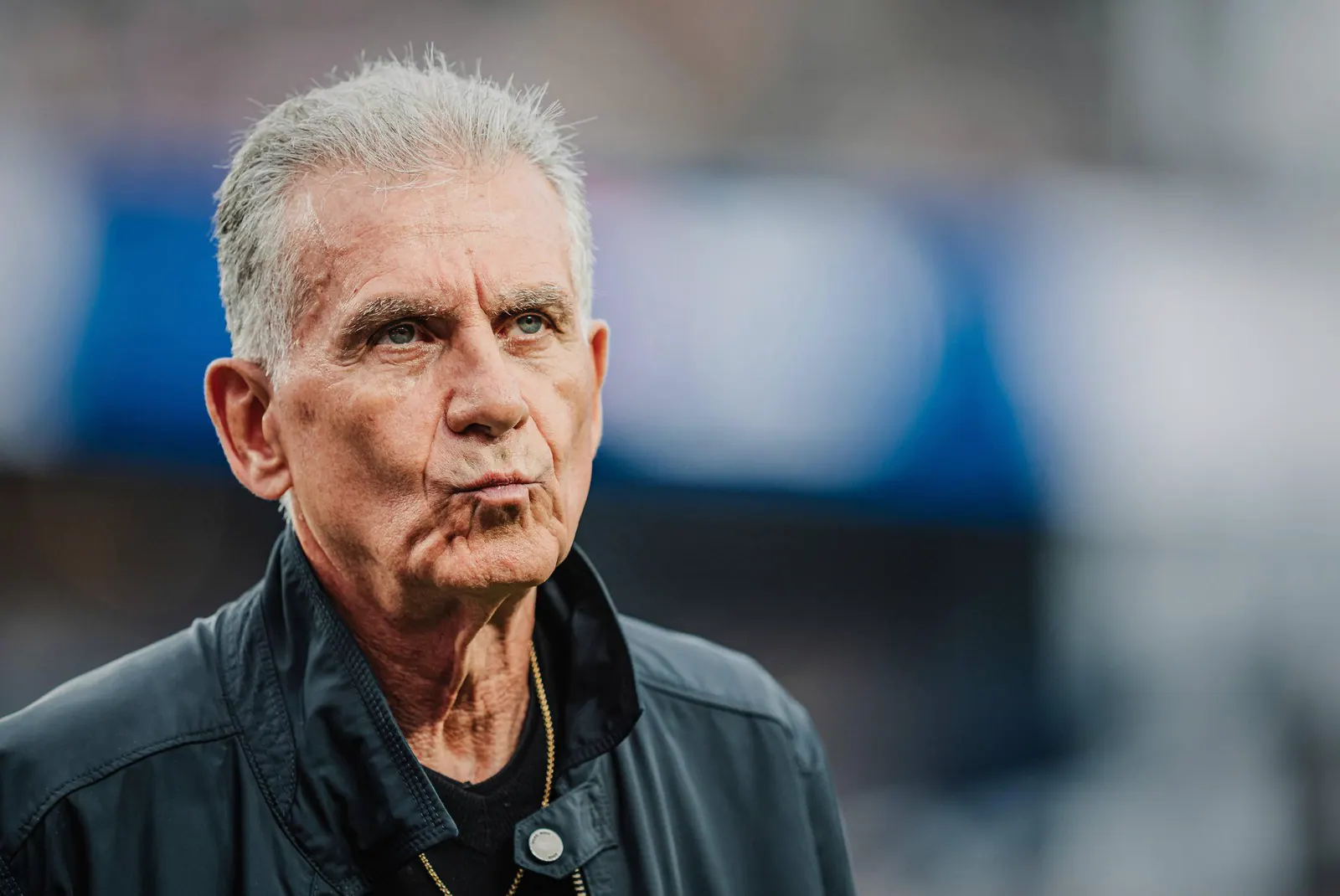
The Ghana Football Association (GFA) has confirmed that Carlos Queiroz's departure as coach of the Black Stars was partly due to his surprise at the team's lack of a permanent training base. According to GFA Communications Director Henry Asante Twum, Queiroz was stunned to learn that the national team does not have a dedicated training camp, a situation he believed affects the squad's preparation. This revelation has highlighted a long-standing infrastructure gap in Ghanaian football.
Queiroz, a veteran coach with experience at multiple World Cups with Portugal and Iran, reportedly could not believe the state of Ghana's football infrastructure when he took charge of the Black Stars. The team's reliance on match venues for training, rather than a dedicated base, has been a concern for successive technical teams. Asante Twum described it as the first time the Portuguese had encountered a national team without a permanent training base.
The GFA confirmed on October 1, 2026, that it had mutually parted ways with Queiroz, ending a short tenure that followed Ghana's underwhelming start to the 2027 Africa Cup of Nations qualifying campaign. The Black Stars are still working to secure a place at the 2027 tournament, which will be jointly hosted by Kenya, Uganda, and Tanzania. Ghana missed out on the 2025 AFCON in Morocco, breaking a long run of continental appearances.
The search for Queiroz's successor has gathered pace, with several candidates emerging. Walid Regragui had been considered the frontrunner for the role, but Dwight Yorke and Pape Thiaw have also joined the crowded field of candidates. The GFA has set up a five-member committee to lead the search for a new coach, with its findings due to be submitted to the Sports Ministry on October 9.
The disclosure puts a spotlight on a long-standing gap in Ghanaian football infrastructure, which has reportedly shaped how foreign coaches view the Black Stars job. The national team's reliance on match venues for training rather than a dedicated base has raised concerns about the team's preparation and the players' access to a properly maintained pitch. Ghana currently has only one approved stadium, a constraint that Queiroz backed up with a scientific basis for his concerns.
The GFA has faced pressure on other fronts, with the owner of King Faisal demanding that president Kurt Okraku step down and threatening to expose unspecified secrets. The association is working to address the infrastructure gap, but no timeline has been given for when a permanent training base might be established. The Black Stars are scheduled to play Somalia in a 2027 AFCON qualifying double-header this October, with both matches set for the Accra Sports Stadium.
The issue feeds into broader questions about whether Ghana's infrastructure can support the ambitions of a team still chasing a return to AFCON and a place at future World Cups. The GFA's efforts to address the infrastructure gap and find a new coach will be crucial in determining the team's future success. The association's ability to provide a suitable training base and attract a top-class coach will be key to the Black Stars' prospects in the 2027 AFCON and beyond.
Key points
- The GFA has set up a five-member committee to lead the search for Queiroz's replacement, with its findings due to be submitted to the Sports Ministry on October 9.