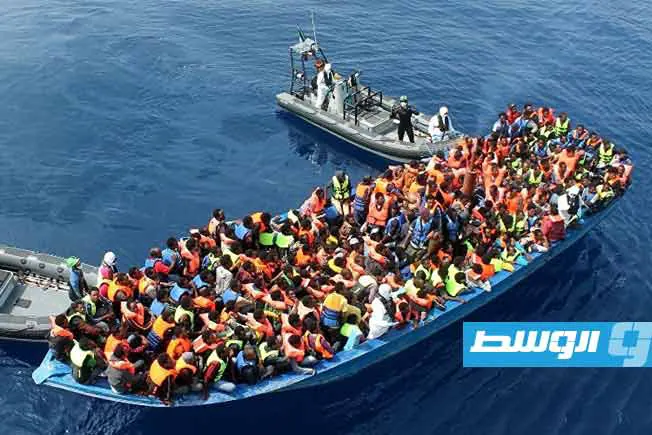
Germany has proposed establishing a rapid European intervention force under the European Border and Coast Guard Agency (Frontex) to help countries deal with sudden migration pressures on the European Union's external borders. This proposal comes in response to recent events, such as the migration crisis in the Spanish enclave of Ceuta this summer. German Interior Minister Alexander Dobrindt stated that Europe needs to establish a new support mechanism for countries facing such pressures.
The proposed rapid intervention force aims to provide necessary support to countries on the EU's external borders within 24 hours. Dobrindt made these remarks during a press conference in Munich before meeting with 16 of his EU counterparts and European Commissioner Margaritis Schinas to discuss migration issues. The German government, led by Chancellor Friedrich Merz, has prioritized stricter migration policies to curb the rise of far-right parties.
European Commissioner Schinas indicated that the European Commission will soon present an enhanced mandate for Frontex, enabling it to act more swiftly and flexibly in response to emerging crises. This move is expected to improve the EU's ability to manage migration challenges. Germany is currently collaborating with Denmark, the Netherlands, Austria, and Greece to establish migrant return centers in a non-EU country.
The goal is to reach initial agreements with third countries by the end of the year. Dobrindt emphasized that the German government is convinced that Frontex can play a more significant role in return procedures, particularly in cooperation with third countries and within the framework of the Dublin Agreement. The Dublin Agreement determines which EU country is responsible for processing asylum applications.
The International Rescue Committee has criticized the plan to establish return centers, describing it as a "harsh and costly approach" that undermines individuals' dignity and basic rights. Meanwhile, Frontex has reported that its operations in Libya have contributed to a decrease in migrant departures. There are concerns about the humanitarian situation in Libya, where migrants face detention and other challenges.
The proposed rapid intervention force is part of a broader effort to strengthen the EU's migration policies. Germany and other EU countries are seeking to address the root causes of migration and improve cooperation with countries of origin and transit. The issue of migration remains a complex and sensitive topic in the EU, with different member states having varying priorities and approaches.
The European Union is working to enhance its migration management capabilities and develop a more comprehensive approach to addressing migration challenges. This includes improving cooperation with third countries, strengthening Frontex, and establishing effective return procedures. The success of these efforts will depend on the ability of EU member states to work together and find common solutions to the complex issues surrounding migration.
Key points
- Germany proposes establishing a rapid European intervention force under Frontex to address migration pressures.
- The proposed force aims to provide support to countries on the EU's external borders within 24 hours.
- The European Commission will present an enhanced mandate for Frontex to enable it to act more swiftly and flexibly in response to emerging crises.