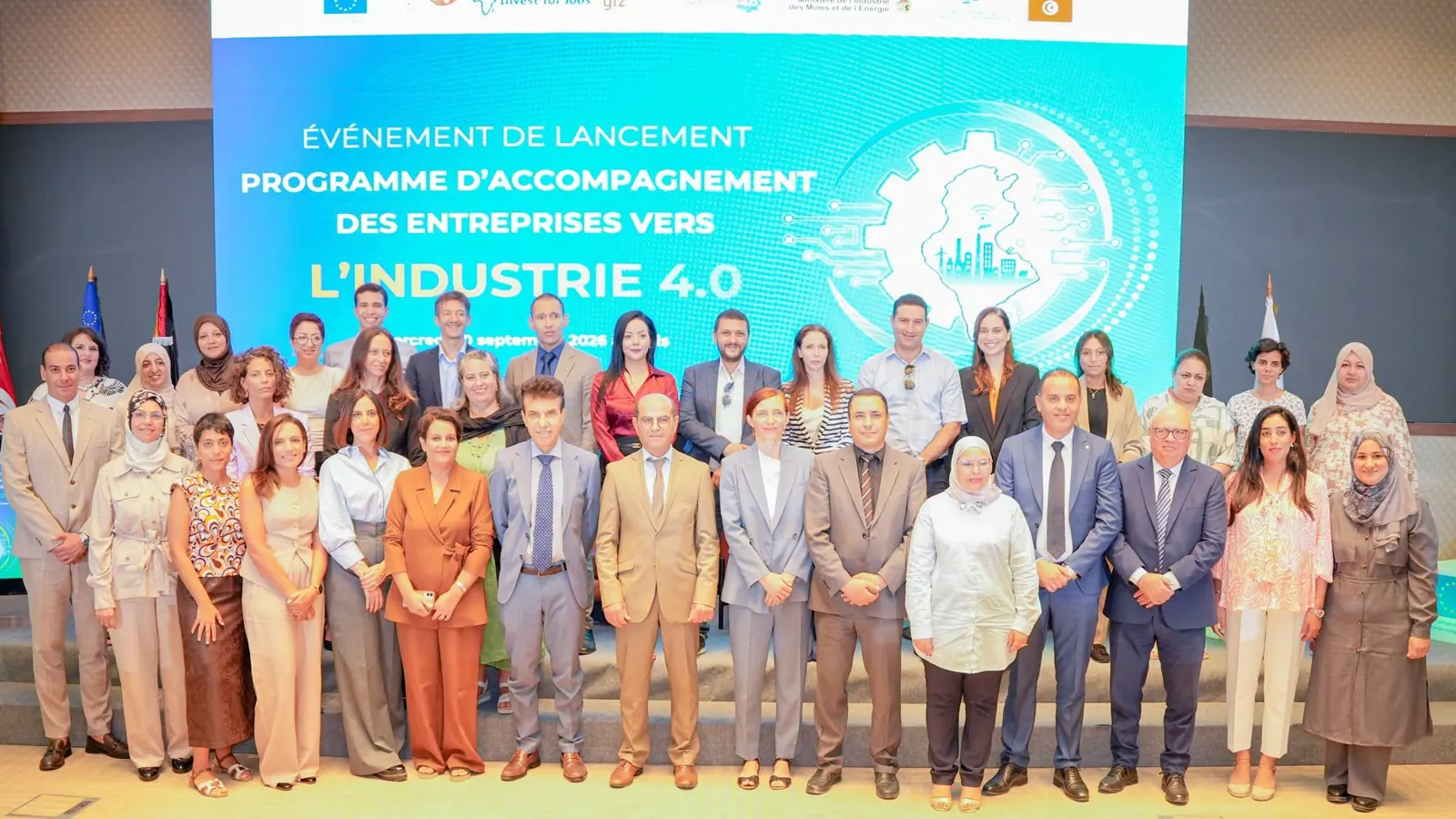
Tunisia's industrial sector is undergoing a significant digital transformation, driven by support from Germany and the European Union. The initiative aims to enhance the readiness of industrial institutions and align them with the requirements of Industry 4.0. This effort is being implemented in collaboration with Tunisian partners to foster the adoption of smart manufacturing technologies.
A key component of this initiative is the introduction of the TIMA (Tunisian Intelligent Manufacturing Assessment) tool. This assessment framework enables Tunisian industrial institutions to evaluate their digital readiness and identify priorities for development. Additionally, the national "Label I4.0 Tunisia" has been launched to provide institutions with a recognized standard for digital transformation.
The goal of this digital transformation is to empower Tunisian institutions to leverage modern digital technologies. By doing so, they can enhance their competitiveness, drive innovation, and create sustainable job opportunities that align with the evolving needs of the industrial sector. This initiative is part of a broader strategy to support Tunisia's industrial development and integration into the global economy.
The "Hub Industrie 4.0" continues to play a vital role in supporting Tunisia's industrial digital transformation. It provides the necessary tools and guidance to help institutions transition gradually towards more intelligent and efficient production models. This support is crucial for the successful implementation of digital transformation strategies across the industrial sector.
The collaboration between Germany, the EU, and Tunisian partners underscores the importance of international cooperation in driving industrial development. By working together, these stakeholders can share knowledge, expertise, and resources to achieve common goals. This partnership is expected to have a lasting impact on Tunisia's industrial sector and its ability to compete in the global market.
The adoption of Industry 4.0 technologies is seen as a critical factor in Tunisia's industrial growth and modernization. By embracing digital transformation, Tunisian institutions can improve their productivity, efficiency, and innovation capacity. This, in turn, can lead to increased competitiveness, job creation, and economic growth.
As Tunisia continues on its path of industrial digital transformation, the role of supportive policies and frameworks will be essential. The government's efforts to create an enabling environment for digitalization, combined with international support, are expected to drive progress and achieve sustainable development outcomes.
Key points
- Germany and the EU are supporting Tunisia's industrial digital transformation through the introduction of tools like TIMA and the "Label I4.0 Tunisia".
- The initiative aims to enhance the readiness of industrial institutions and align them with Industry 4.0 requirements.
- The digital transformation is expected to drive innovation, job creation, and competitiveness in Tunisia's industrial sector.