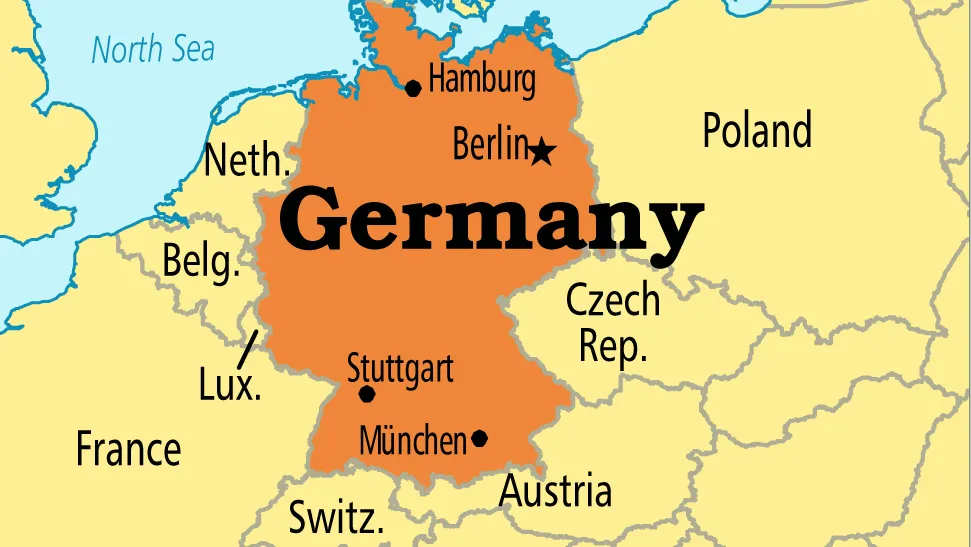
The German government has updated its immigration guidelines, enabling foreign nationals who complete university studies or vocational training in Germany to obtain permanent residence after just two years of qualified employment. This new pathway to a settlement permit is designed to retain qualified international talent amidst nationwide labor shortages in healthcare, engineering, and technology. The updated guidance, published on the official "Make it in Germany" portal, provides an accelerated route to permanent residency for international graduates who transition directly into the German workforce.
Under standard regulations, foreign workers often wait up to five years to secure permanent residency. However, the special provision under Section 18c of the Residence Act rewards foreign graduates who complete their academic or vocational qualifications within the country. To qualify for the two-year settlement permit, foreign graduates must satisfy several strict criteria, including holding a residence permit for employment as a skilled worker for at least two years and working in a role authorized by their current residence permit.
Applicants for the settlement permit must also have made contributions to the statutory pension insurance scheme for a minimum of 24 months and demonstrate German language proficiency at B1 level under the Common European Framework of Reference for Languages. Additionally, they must show that they have adequate living space for themselves and their household members. A processing fee applies upon application, with the exact cost dependent on the applicant's specific status group.
Securing a settlement permit eliminates the administrative friction associated with temporary work visas and periodic renewals at local immigration offices. A settlement permit allows foreign nationals to remain in Germany indefinitely, giving holders greater flexibility in the labor market, including the freedom to change jobs or become self-employed. This permit also makes family reunification rules significantly easier, as family members may join them without some of the restrictions linked to temporary residence permits.
Germany's streamlined settlement rules aim to convert international students into long-term contributors to the nation's economy. With sectors such as healthcare, education, medical technology, and hospitality urgently seeking qualified personnel, the new policy is expected to help address labor shortages. The measures are designed to help skilled workers who have established their lives in the country move from temporary status to permanent residence.
The updated guidance applies to foreign nationals who completed university studies or vocational training in Germany and currently hold temporary residence permits for skilled work. The German government stated that the policy's goal is to retain qualified international talent, emphasizing the importance of skilled workers in addressing nationwide labor shortages. The new rules are expected to have a positive impact on Germany's economy and labor market.
The changes to Germany's immigration rules are part of a broader effort to attract and retain skilled workers. By providing an accelerated pathway to permanent residency, the German government hopes to make the country more attractive to international graduates and skilled workers. With the new policy, Germany joins other countries in competing for top talent, offering a more streamlined and secure route to long-term stability and labor market freedom.
Key points
- Foreign graduates can now obtain permanent residence in Germany after two years of qualified employment.
- The new policy aims to address labor shortages in healthcare, engineering, and technology.
- Applicants must satisfy strict criteria, including language proficiency and pension contributions.