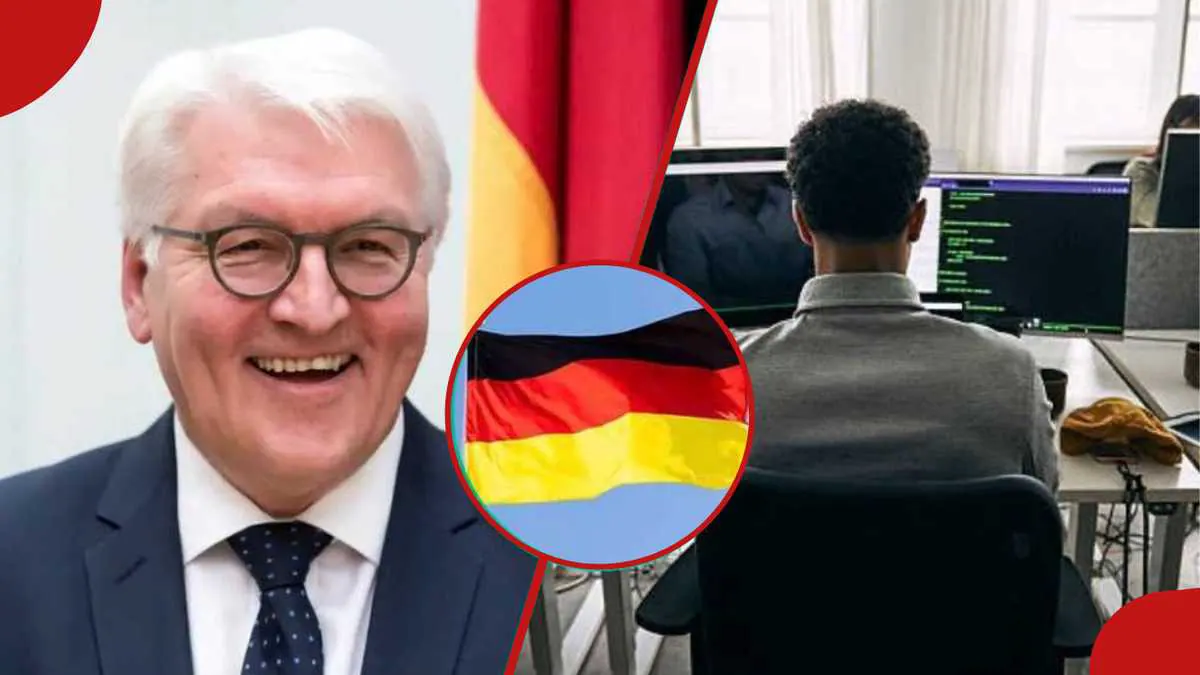
Germany has published new guidelines on visa and residence requirements for foreign nationals seeking IT specialist jobs in the country. The rules, available on the official Make it in Germany website, outline the requirements based on an applicant's nationality and their right to enter and work in Germany. This move aims to clarify the process for qualified IT professionals from around the world. The guidance explains which nationals can work without additional restrictions and what requirements apply to those who do not have unrestricted access.
Citizens of European Union member states, along with nationals of Liechtenstein, Norway, and Switzerland, have full access to employment opportunities in Germany. They do not need an entry visa or residence authorization to begin working in the country, including in the IT sector. This exemption allows them to travel to Germany and take up jobs without seeking approval from German missions abroad. The same rules apply to all EU member states.
For people from countries outside the exempted groups, obtaining the appropriate permission is necessary before relocating to Germany and starting work. Depending on their circumstances, this may involve securing an entry visa or residence title that allows them to live and work in the country. The guidance states that several routes are available to qualified IT professionals from outside the exempted regions.
These options are intended to support the entry of skilled workers whose expertise is needed in Germany. Nationality remains the main factor in determining whether a visa procedure must begin before departure. The clarification means EU citizens, along with nationals of Liechtenstein, Norway, and Switzerland, can work in Germany without additional entry restrictions.
Other foreign nationals must obtain the required authorization before taking up employment. The new guidelines aim to support the entry of skilled workers, including those from countries with a high demand for IT specialists. Germany is seeking to attract qualified professionals to fill gaps in its labor market.
Meanwhile, a business coach from Germany, Mira Wörgötter, recently shared her experiences of relocating to Lagos, Nigeria, to build a business and work with Nigerian entrepreneurs. She highlighted several observations about doing business in Nigeria, including the importance of trust, humor, and appearance.
The new visa guidelines are part of Germany's efforts to attract skilled workers from around the world. With a growing demand for IT specialists, Germany is streamlining its visa process to make it easier for qualified professionals to enter the country. The guidelines are available on the official Make it in Germany website.
Key points
- EU, Liechtenstein, Norway, and Switzerland nationals can work in Germany without additional entry restrictions.
- Other foreign nationals must obtain the required authorization before taking up employment in Germany.
- Germany is seeking to attract qualified IT professionals to fill gaps in its labor market.