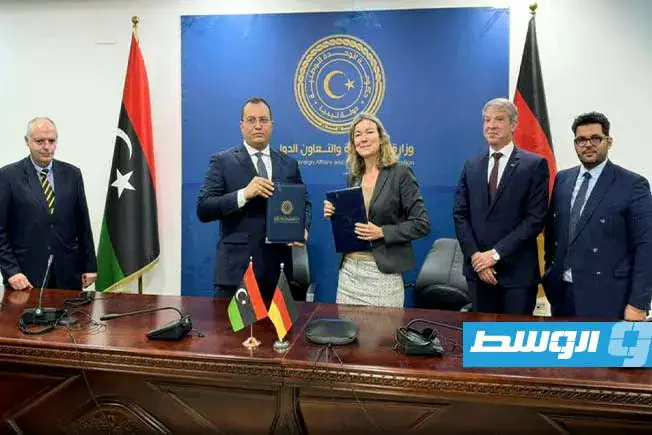
Germany and Libya have completed talks on development cooperation, identifying four key areas for collaboration. The discussions, which took place during the fourth Libyan-German governmental meeting in Tripoli on November 24, 2026, were led by German Development Cooperation Minister Katrin Ohlers and Libyan Foreign Ministry officials. The meeting aimed to prioritize cooperation in areas that directly impact the daily lives of Libyan citizens.
The four areas of focus for the development cooperation are renewable energy, decentralization, youth support, and the health sector. According to Ohlers, these discussions will help determine future cooperation priorities between Germany and Libya. The German Embassy in Libya stated that the talks reviewed areas for future cooperation, emphasizing their importance in improving the lives of Libyan citizens.
The Libyan Foreign Ministry reported that the meeting covered various aspects of bilateral cooperation, including support for decentralization at the municipal level, development of renewable energy projects, climate change adaptation, and promotion of youth and women's participation. The ministry added that the talks also reviewed existing programs and projects, exploring opportunities for their development in 2027.
Both sides acknowledged the importance of building on previous achievements and strengthening coordination and institutional integration to support Libya's sustainable development and stability. The German side was represented by Ohlers and Daniel Schimske, the acting German ambassador in Tripoli, while the Libyan side was led by Ashraf Muhammad Al-Taib, director of the International Cooperation Department at the Foreign Ministry.
The development cooperation between Germany and Libya aims to address key challenges facing the country. Renewable energy and decentralization are critical areas for Libya's growth and stability. The cooperation also seeks to empower Libyan youth and improve the country's health sector, which has faced significant challenges in recent years.
Germany's engagement in Libya reflects its commitment to supporting the country's development and stability. Through the German Development Cooperation, the country is working to address pressing issues in Libya, including energy, health, and youth empowerment. The cooperation is also expected to enhance Libya's ability to adapt to climate change and promote sustainable development.
The conclusion of these talks marks a significant step in strengthening Germany-Libya relations, particularly in the areas of development cooperation. The two countries are expected to continue their collaboration, focusing on implementing projects and programs that support Libya's development priorities. The success of this cooperation will depend on effective coordination and implementation of agreed-upon projects.
Key points
- Germany and Libya have identified four key areas for development cooperation: renewable energy, decentralization, youth support, and the health sector.
Reporting sources
- Wasat TV · Wasat TV