The dream of democratic governance for countries bordering Russia and the former Soviet Union has been a persistent aspiration for its peoples. Georgia, which exited the Soviet Union in 1991, had made progress towards an open society and accountable government, albeit imperfect. However, over the past decade, and particularly in the last three years, Georgia has seen a rapid retreat of democratic gains. The country's independent voices in media and civil society, as well as its politically neutral state institutions, have been eroded.
The governing Georgian Dream party, led by Bidzina Ivanishvili, a powerful businessman and former prime minister, has been instrumental in this reversal. Ivanishvili, whose business interests account for an estimated 20% of Georgia's GDP, wields significant control over the party and the country. The party's policies have led to a narrowing of civic space, with intimidation of civil society by state institutions and restrictions on civil liberties. The October 2024 elections, which saw Georgian Dream secure a fourth consecutive victory, were widely criticized, with the European parliament rejecting the result and the US sanctioning leading members of the government.
The government's crackdown on opposition has been marked by violent showdowns, detentions, and administrative detention. Protests have been ongoing for over 600 days, with demonstrators calling for the government to respect democratic norms. The police have employed facial recognition software to identify and fine protesters, often for minor or fabricated infractions. One university lecturer reported discovering they had been fined 5,000 lari ($1,655) through the freezing of their bank accounts.
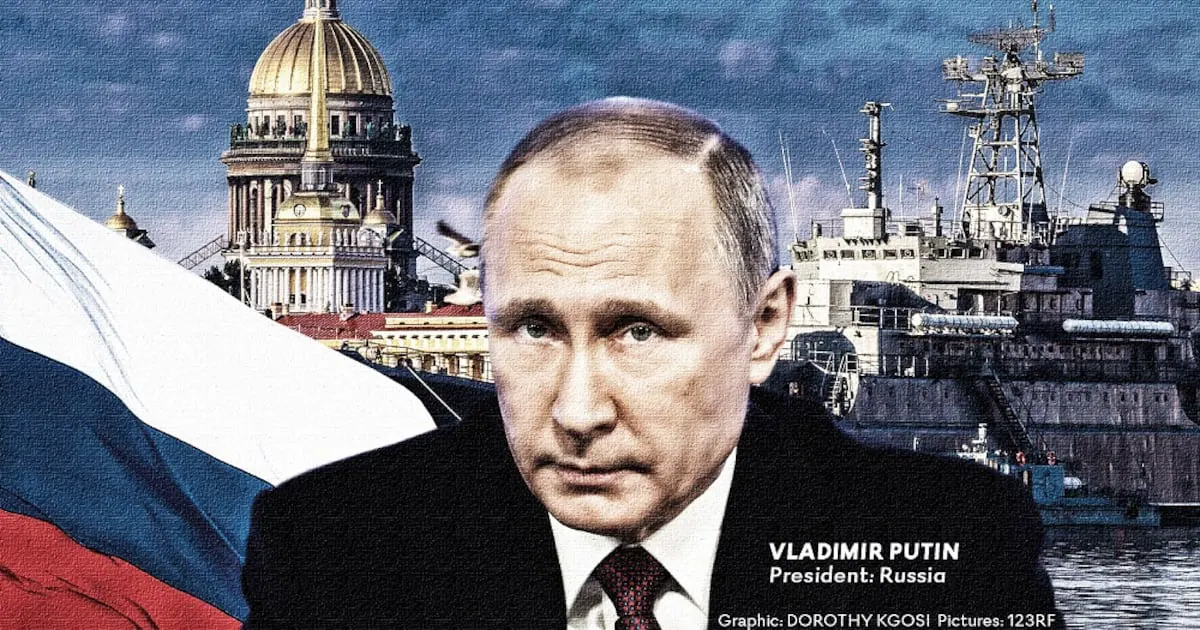
The Georgian Dream party has also sought to accommodate Russian interests, a balancing act that has been a long-standing feature of Georgian foreign policy. However, this has hardened since the invasion of Ukraine in 2022, with Russia making clear its opposition to EU and Nato membership for Georgia and other countries in its "near abroad". The party has suspended EU accession negotiations until 2028, effectively dropping a previously cross-party consensus on membership.
The country's cultural wars have also played a significant role in the government's authoritarian shift. Pro-regime narratives have equated EU membership with a LGBQTI+ agenda, exploiting fear of foreign entanglements among Georgians. The government has blamed Nato expansion for the war in Ukraine, further solidifying its anti-Western stance. This has contributed to a growing sense of unease among Georgians, who are wary of economic and political instability.
Despite these challenges, Georgia is not yet a police state. Opposition figures, journalists, and civil society campaigners are harassed and detained, but they are not assassinated or jailed indefinitely. Public opinion remains freely expressed, and there is still a strong sense of belief in a European future among Georgians, particularly younger people. The country's economy is growing, and it retains a sense of openness and hospitality.
The outcome of Georgia's democratic struggle is far from decided. While Georgian Dream appears to be settling in for the long haul, it is hard to imagine it will leave power peacefully. However, the fight for substantive democracy is alive, and Georgians continue to assert their rights and freedoms. A working democracy is not only a right in itself but also an example for the region and the Global South.
Key points
- Georgia's democratic governance has stalled, with a sharp reversal of basic citizen rights and open government in recent years.
- The governing Georgian Dream party, led by Bidzina Ivanishvili, has been instrumental in this reversal, with policies that have narrowed civic space and restricted civil liberties.
- Despite challenges, Georgia is not yet a police state, and public opinion remains freely expressed, with a strong sense of belief in a European future among Georgians.