The entry of Generation Z into the labour market is prompting institutions in Tanzania to rethink their leadership and workplace culture. Gen Z, born between 1997 and 2012, has grown up with technology, smartphones, and social media as part of everyday life. Experts say institutions need to adapt to this new generation rather than treating their entry as a challenge to existing workplace practices. This shift is crucial for Tanzania's future, as the country's development is now tied to how Gen Z is included in leadership decisions and positions.
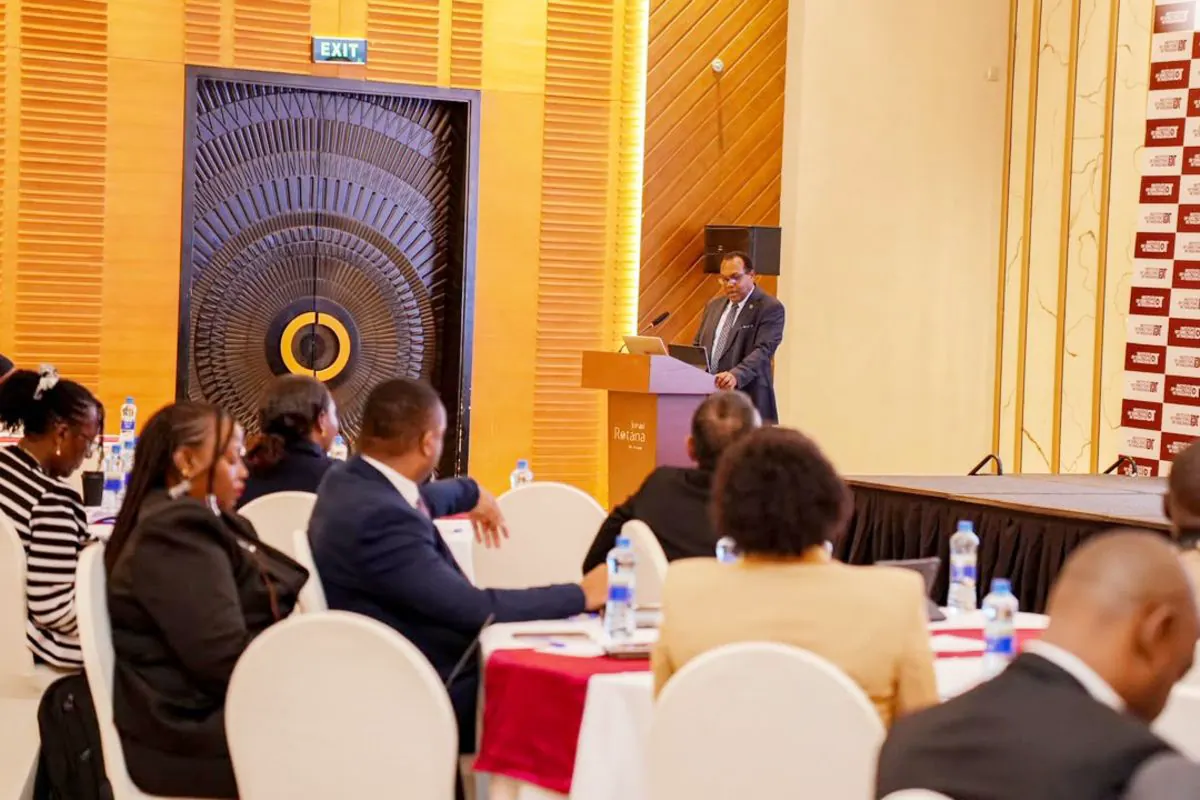
Discussions organised by the Institute of Directors Tanzania (IoDT) in Dar es Salaam highlighted the need for institutions to prepare for generational and technological changes. IoDT director Said Kambi emphasised that young people are an important part of Tanzania's future and should be prepared to participate in leadership. He noted that Gen Z is already present in workplaces, serving customers, building businesses, and taking up leadership roles, making it difficult for boards to ignore their contribution.
Institutions should create environments that enable young employees to develop and participate meaningfully in leadership, according to Said Kambi. He said young people learn what leadership means by observing how current leaders treat them, how their ideas are received, and what happens when someone asks a difficult question. This observation can shape their understanding of leadership and influence their future contributions to the organisation.
Miranda Naiman, founder of Empower, views the arrival of Gen Z in the workplace as an opportunity for institutions to harness their capabilities rather than as a challenge. She notes that Gen Alpha is also approaching working age, making it increasingly important for organisations to create workplaces that can accommodate employees from different generations. Ms Naiman argues that some leaders' perceptions of Gen Z as disloyal and lacking resilience are not supported by her experience working with the generation.
According to Miranda Naiman, Gen Z employees who feel valued can make a significant contribution to an organisation because they bring creativity, energy, and new approaches to problem-solving. She urges leaders to view tensions with younger workers as an opportunity to examine whether their institutions need to change. Ms Naiman suggests that organisations should assess their current situation, goals, and the kind of institutions they need to become to unlock the full potential of employees across generations.
Brighton Kinemo, managing director of TIB Rasilimali, supports the idea that generational shifts in the workplace require boards to reconsider leadership structures in response to changing circumstances. He notes that Gen Z has grown up in an environment where technology, mobile phones, social media, and automation are already part of everyday life, requiring institutions to understand how to incorporate that perspective into leadership. A mix of generations on boards can help institutions gain different perspectives when making decisions on technology, business, and change.
Experts, including University of Dar es Salaam lecturer Dr Amina Abdul and PJ Leaders founder Jonathan Ndali, agree that boards should not fear younger generations but instead embrace them and include them in institutional discussions. They stress the importance of combining experienced leaders with younger generations to develop strategies that take into account existing experience as well as the changes ahead. By accepting change and learning to manage it, leaders can navigate uncertainty more effectively and unlock the full potential of their employees.
Key points
- Institutions in Tanzania must adapt to the entry of Gen Z into the labour market by rethinking their leadership and workplace culture.
- Gen Z brings creativity, energy, and new approaches to problem-solving, but only if they feel valued and included in the organisation.
- A mix of generations on boards can help institutions gain different perspectives when making decisions on technology, business, and change.