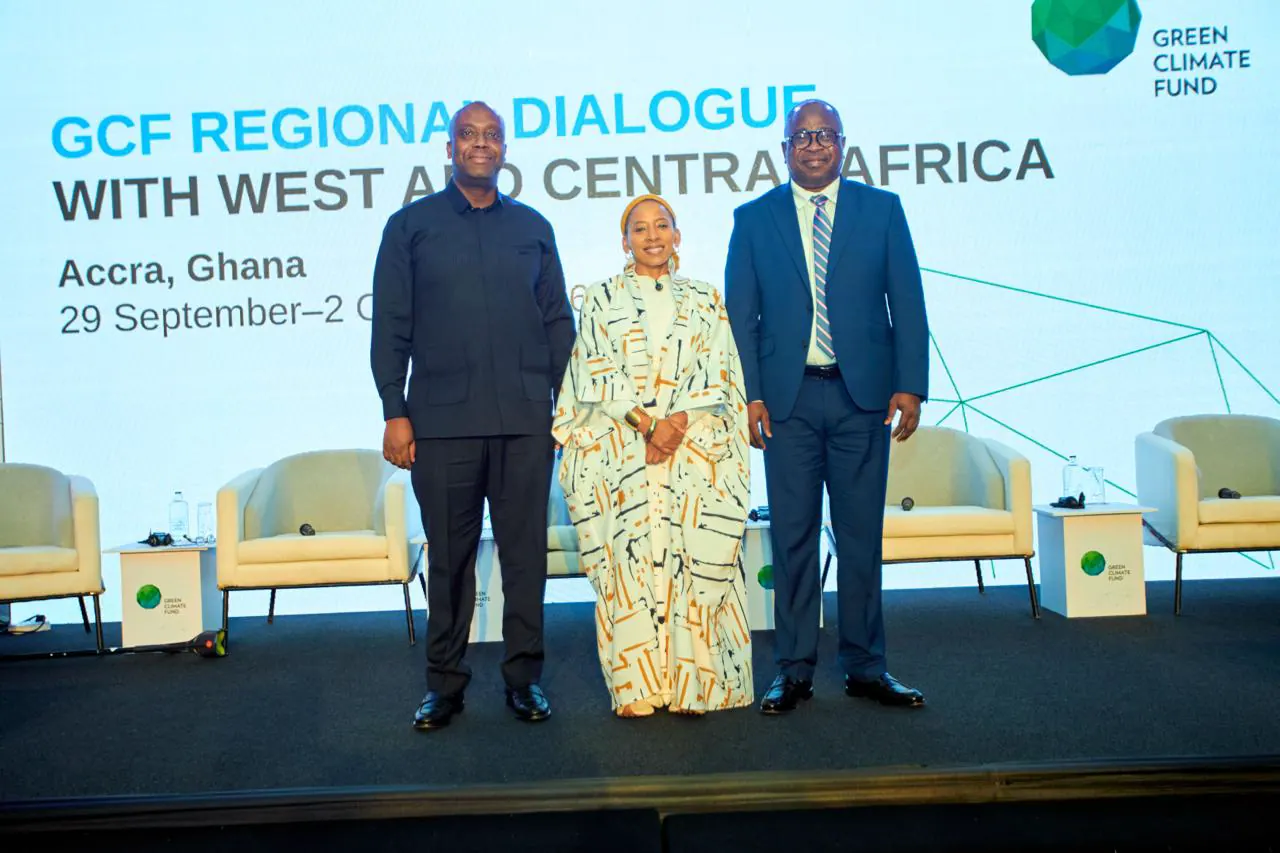
The Green Climate Fund (GCF) has unlocked over $4 billion in additional resources for climate investments, with Africa expected to receive about 40% of the funding. This new influx of funds is anticipated to provide a significant boost to climate action on the continent. According to GCF's Regional Director for Africa, Catherine Koffman, African countries need to develop stronger pipelines of investment-ready projects to take full advantage of the financing.
The GCF has approved about $20 billion for climate investments globally over the past decade, with $7.6 billion allocated to Africa. These figures demonstrate that Africa has been at the center of the Fund's investment strategy. However, the scale of climate needs on the continent means that much more financing is required. Ms. Koffman emphasized that Africa receives 40% of all GCF funding, but the demand for climate financing far exceeds the current levels of support.
The new funding is expected to build on the GCF's existing investment in Africa, with the continent potentially receiving another 40% of the unlocked funds. This translates to a significant increase in climate financing for African countries. Ms. Koffman explained that the GCF's approach is not to simply provide the full cost of climate projects but to reduce risks and encourage other investors to come in with additional resources.
The GCF's financing is designed to be catalytic, triggering three to five times the amount of funding provided by the GCF. This approach makes the ability of African countries to develop bankable projects particularly important. To address this challenge, the GCF has continued to invest in readiness support and project preparation, helping countries strengthen institutions and develop the capacity to build a pipeline of projects capable of attracting larger investments.
The GCF has provided about $740 million globally through its readiness program, including $250 million for Africa. Several countries, including Ghana, Mali, Burkina Faso, and Nigeria, are among the recipients of new readiness grants. The amounts vary according to the needs and proposals of individual countries, with Ghana receiving $3 million. Ms. Koffman highlighted the significance of readiness funding, noting that a small amount can unlock much larger investments.
The GCF is also changing its operational approach in Africa, establishing regional offices in Abidjan, Côte d'Ivoire, and Nairobi, Kenya. This decentralization effort aims to bring decision-making and expertise closer to the countries served by the GCF. By doing so, the Fund hopes to improve its responsiveness to the needs of African countries and enhance the effectiveness of its climate investments.
The GCF's efforts to support climate action in Africa are critical, given the continent's vulnerability to climate change. As Ms. Koffman noted, the demand for climate financing is huge, and the GCF's investment strategy is focused on addressing this need. With the unlocking of additional funds, African countries have a significant opportunity to accelerate their climate investments and achieve their development goals.
Key points
- The Green Climate Fund has unlocked over $4 billion in additional resources for climate investments, with Africa expected to receive 40% of the funding.
- The GCF has approved $20 billion for climate investments globally over the past decade, with $7.6 billion allocated to Africa.
- The Fund's financing approach is designed to be catalytic, triggering additional investments from other sources.