The South African government classified gender-based violence and femicide (GBVF) as a national disaster in November 2025, following public pressure and protests over the crisis facing women. Cooperative Governance and Traditional Affairs Minister Velenkosini Hlabisa announced the move after the National Disaster Management Centre determined GBVF met the threshold for a potential disaster. This classification placed primary responsibility for coordinating and managing the national disaster on the National Executive.
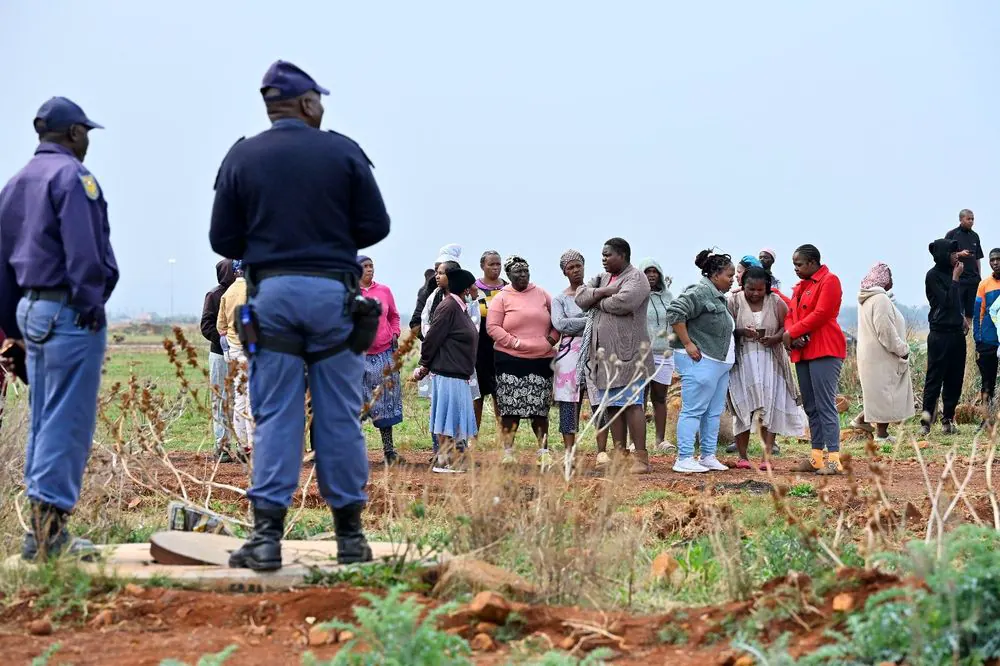
The declaration urged the private sector, communities, and individuals to intensify prevention and risk-reduction efforts. However, the discovery of multiple women's bodies in Ekurhuleni, including Kempton Park, has once again highlighted the country's femicide crisis. Police are investigating possible links between the cases but have cautioned that it is too early to establish whether the deaths were committed by one perpetrator or are otherwise connected.
The recent deaths have raised concerns about the effectiveness of the declaration of GBVF as a national disaster. For many South Africans, the circumstances surrounding these deaths are difficult to comprehend. Behind every body is a woman who had a life, aspirations, relationships, and a family that now has to deal with her loss. This raises a difficult question: what has the declaration achieved, and what difference has it made to the safety of women?
The latest deaths should not be viewed only as individual crimes but also prompt an examination of prevention, policing, investigations, prosecutions, support for victims and survivors, and the effectiveness of the structures established to confront GBVF. According to Natasha Naidoo, it is deeply troubling that women continue to live with the fear of violence and that communities continue to mourn women whose lives have been violently cut short.
What is happening to women in South Africa demands more than declarations and programmes. It requires sustained action, accountability, and a society in which violence against women is confronted by government, communities, and men themselves. The discovery of the bodies has prompted renewed concern about the safety of women in the area, particularly in Dawn Park, on the East Rand, in the Ekurhuleni Metropolitan Municipality, Gauteng.
The police discovered the body of the ninth woman in Dawn Park, and the cases have brought attention to the GBVF crisis. The classification of GBVF as a national disaster aimed to address this crisis, but its impact is being questioned. The government, communities, and individuals must work together to prevent and reduce GBVF.
The issue of GBVF in South Africa requires a comprehensive approach that involves government, communities, and individuals. The declaration of GBVF as a national disaster was a step towards addressing the crisis, but its effectiveness must be evaluated. The recent discoveries of women's bodies serve as a reminder that more needs to be done to ensure the safety of women in South Africa.
Key points
- The declaration of GBVF as a national disaster in South Africa has not led to significant improvements in women's safety.
- The recent discoveries of women's bodies in Ekurhuleni have raised concerns about the effectiveness of the government's efforts to address GBVF.
- Addressing GBVF in South Africa requires sustained action, accountability, and a comprehensive approach involving government, communities, and individuals.