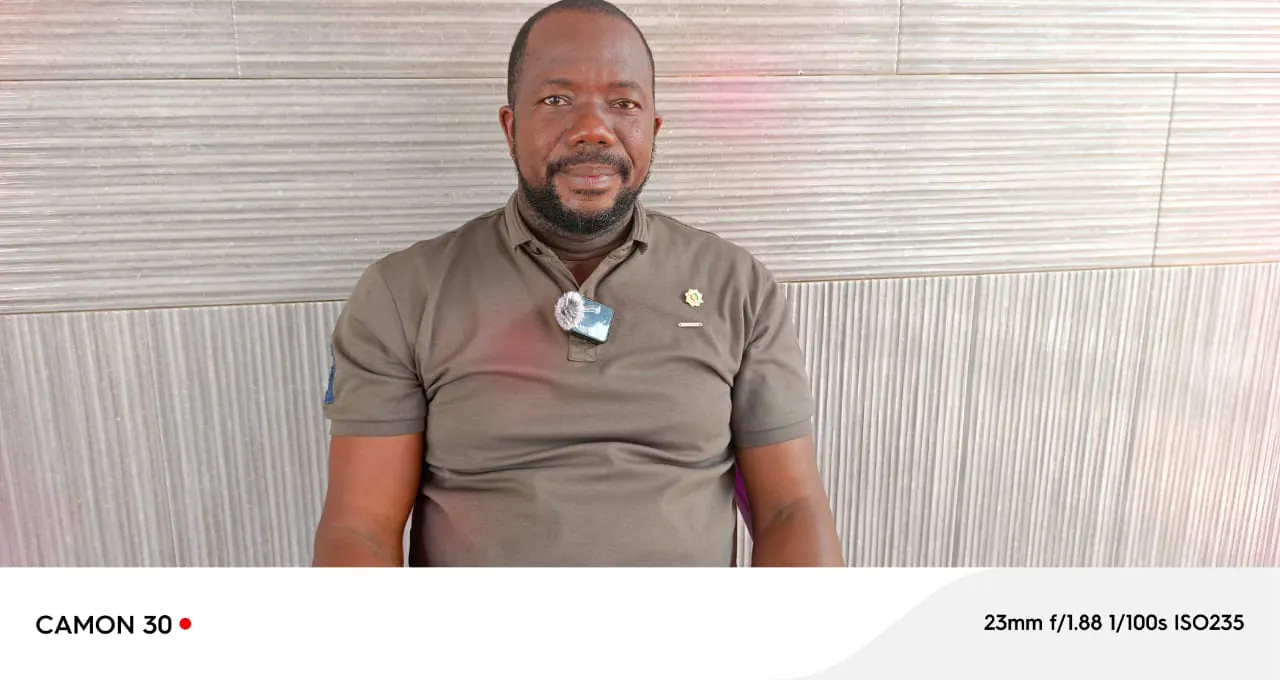
Guinean lawmaker Gbato Mamy has just concluded a comprehensive tour of the N'Zérékoré region, covering all ten sub-prefectures. His findings paint a grim picture of the region's infrastructure and living conditions. The deputy highlighted several pressing issues, including the deplorable state of the education system, road infrastructure, healthcare, and security. These concerns have prompted Gbato Mamy to sound the alarm on the precarious living conditions of the local population.
The education sector is in a particularly dire state. Gbato Mamy's tour revealed significant disparities in rural areas, with some localities lacking a school since Guinea's independence. Children in these areas must travel long distances to access education, and existing infrastructure is often in a state of disrepair. Some schools, built in 1953, have never undergone renovation. This has resulted in a significant gap in access to quality education for local children.
The state of the region's road infrastructure is another major concern. Gbato Mamy emphasized the need for urgent attention, particularly on the Gouécké-Koropara axis. Improving this road would not only provide an alternative route for travelers but also facilitate the transportation of agricultural products to urban markets. The condition of the N'Zérékoré-Diécké axis is even more critical, with the road being completely abandoned and impassable. This poses significant health and security risks to local communities.
The healthcare and security sectors are also severely underdeveloped. Gbato Mamy found that many localities lack healthcare centers, and security presence is often minimal. In some sub-prefectures with nearly 35,000 inhabitants, only one gendarme is responsible for maintaining law and order. This situation is untenable and requires immediate attention from authorities.
Gbato Mamy's report is set to be presented to the National Assembly, with the aim of holding the executive accountable for the region's plight. The lawmaker emphasized that the suffering of the people in these ten sub-prefectures will no longer be ignored. A detailed report of his findings will be submitted to the Assembly, highlighting the urgent need for infrastructure development and improved public services.
The situation in N'Zérékoré region has significant implications for the country's development and stability. Gbato Mamy's findings underscore the need for a comprehensive approach to address the region's infrastructure and service delivery challenges. The lawmaker's efforts to bring attention to these issues are seen as a crucial step towards finding solutions and improving the lives of local communities.
Gbato Mamy's tour and report are part of a broader effort to address regional disparities and promote development in Guinea. The lawmaker's commitment to highlighting the challenges faced by local communities is seen as a positive step towards promoting accountability and good governance. The effectiveness of his efforts will depend on the government's response to his report and the implementation of proposed solutions.
Key points
- The N'Zérékoré region faces significant infrastructure challenges, including outdated schools, poor road conditions, and inadequate healthcare and security services.
- Lawmaker Gbato Mamy has presented a comprehensive report on the region's challenges to the National Assembly, aiming to hold the executive accountable.
- The situation in N'Zérékoré region has significant implications for Guinea's development and stability, with urgent attention needed to address infrastructure and service delivery challenges.