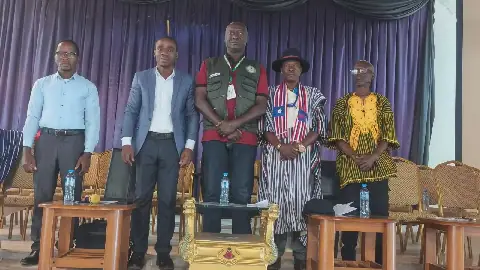
Gbadebo Rhodes-Vivour, a royal with the name Gbádébọ̀wálé meaning "bring the crown home" or "return home with the crown", is seeking to govern Lagos State. However, his inability to speak the Yoruba language has sparked concerns. He recently revealed on Arise TV that he had hired a teacher to learn the language. This has led to questions about his eligibility to govern a Yoruba state.
The importance of speaking the local language in politics cannot be overstated, particularly in Yorubaland. Language plays a crucial role in connecting with the people, and Rhodes-Vivour's struggle has raised doubts about his ability to effectively communicate with the electorate. This issue is not unique to Lagos State, as it is also relevant in other parts of Nigeria, such as Kwara State and Kano State.
Rhodes-Vivour's recent public demonstration of his Yoruba language skills at a town hall event ended in embarrassment. Despite his efforts, he botched the pronunciation of a Yoruba proverb. This incident has sparked a wider conversation about the significance of proficiency in one's mother tongue, particularly in politics. Governor Ademola Adeleke of Osun State, who also has an Igbo mother, is fluent in Yoruba, highlighting the importance of parental influence in language acquisition.
The issue of language proficiency has become a significant concern in Yorubaland, with many fearing that it may become an epidemic. If not addressed, it may lead to a situation where highly educated individuals who cannot speak Yoruba are pitted against those who are fluent but less educated. This could have far-reaching implications for the political landscape of the region.
The Yoruba language is rich in nuances, with identical sounds yielding different meanings based on context. For instance, the word "ogún" can mean twenty, inheritance, or war, depending on the context. It is essential for Yoruba children to be taught the language to appreciate these subtleties and communicate effectively.
The neglect of the Yoruba language has significant consequences, as seen in Rhodes-Vivour's situation. If parents do not teach their children their mother tongue, they risk being treated as outsiders in their own community. This highlights the need for parents to prioritize language acquisition and cultural heritage.
The debate surrounding Rhodes-Vivour's language skills has sparked a broader conversation about the importance of mother tongue proficiency in politics. As the political landscape continues to evolve, it remains to be seen how this issue will impact the fortunes of aspirants like Rhodes-Vivour. One thing is certain, however: language plays a critical role in connecting with the people, and proficiency in one's mother tongue is essential for effective communication.
Key points
- Rhodes-Vivour's inability to speak Yoruba has sparked concerns about his eligibility to govern Lagos State.
- Language proficiency is crucial for effective communication in politics, particularly in Yorubaland.
- The neglect of the Yoruba language could have far-reaching implications for the political landscape of the region.