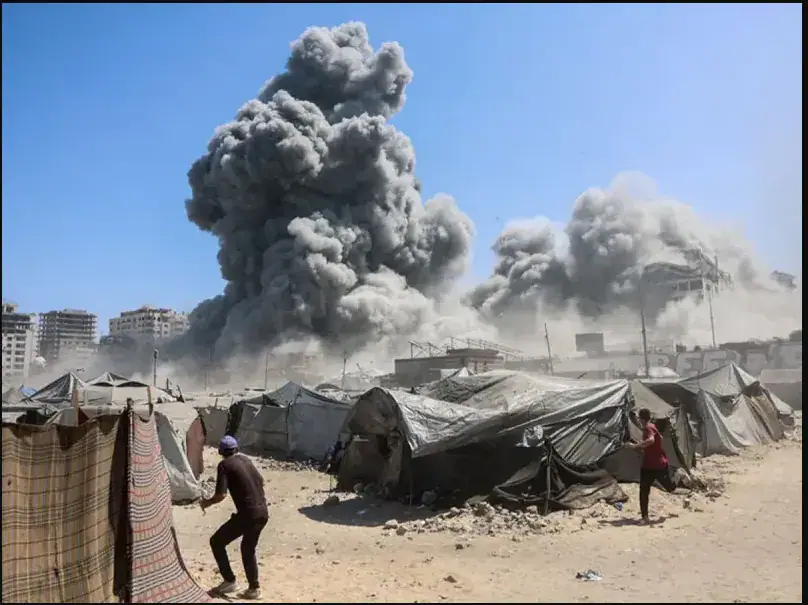
Heavy rainfall has caused widespread flooding in Gaza, resulting in the deaths of five people, including three children and two women. The flooding has also left 70,000 tents damaged or destroyed, exacerbating the already dire humanitarian situation in the region. The crisis has been attributed to the ongoing Israeli blockade and the failure of the international community to address the needs of the Palestinian people.
The situation in Gaza has been described as a "humanitarian emergency" by the international community, with many calling for immediate action to address the crisis. However, efforts to provide aid have been hindered by the Israeli occupation, which has refused to allow the entry of essential supplies, including tents, food, and medicine. The blockade has been in place for over two years, resulting in widespread poverty, unemployment, and food insecurity.
The United States has come under criticism for its role in the crisis, with many accusing the country of prioritizing its relationship with Israel over the needs of the Palestinian people. The US has stated that it will not provide aid to Gaza until Hamas, the governing authority in the region, agrees to disarm. This stance has been met with criticism from human rights groups, who argue that it is unfair to punish the Palestinian people for the actions of their government.
The flooding in Gaza has also highlighted the need for urgent action to address the issue of reconstruction in the region. The Israeli occupation has refused to allow the entry of building materials, citing concerns about Hamas's use of them for military purposes. However, human rights groups argue that this stance is a form of collective punishment, which is having a devastating impact on the Palestinian people.
The international community has been criticized for its failure to address the crisis in Gaza, with many accusing countries of turning a blind eye to the suffering of the Palestinian people. The Arab and Islamic communities have been urged to take action to support the people of Gaza, including providing aid and pushing for an end to the Israeli blockade.
The crisis in Gaza has also raised concerns about the long-term impact on the region's infrastructure and economy. The flooding has caused significant damage to homes, roads, and other critical infrastructure, which will require significant investment to repair. The international community has been urged to provide support for reconstruction efforts, as well as to address the underlying causes of the crisis.
The situation in Gaza remains dire, with many people facing severe shortages of food, water, and shelter. The international community must take urgent action to address the crisis, including providing aid and pushing for an end to the Israeli blockade. The Arab and Islamic communities have a critical role to play in supporting the people of Gaza and ensuring that their rights are protected.
Key points
- The flooding in Gaza has resulted in the deaths of five people and damaged or destroyed 70,000 tents.
- The international community has been criticized for its failure to address the crisis in Gaza.
- The Israeli occupation has refused to allow the entry of essential supplies, including tents, food, and medicine.
Reporting sources
- غزة تغرق وأمريكا تتّهم “حماس”! · Echorouk El Yawmi