The Gaza Strip, once a thriving city, has undergone a profound transformation since October 7, 2023. Photographs taken by local photographers, such as Jaber Jihad Badwan, reveal a city that was vibrant and full of life. The images show residents going about their daily lives, children playing in the streets, and families gathering near the beach. These photographs, now a valuable historical record, demonstrate how the city's landscape and daily life have been irrevocably altered.
Fatma Shabir, a Palestinian photographer, has an archive of images that showcase life in Gaza before the war. One photograph, taken in April 2022, depicts a bustling market in the Jabalia refugee camp during the last days of Ramadan. The image shows people shopping for clothes and children moving through the crowds. This and other photographs like it serve as a poignant reminder of what has been lost. The market, once a hub of activity, is now in ruins.
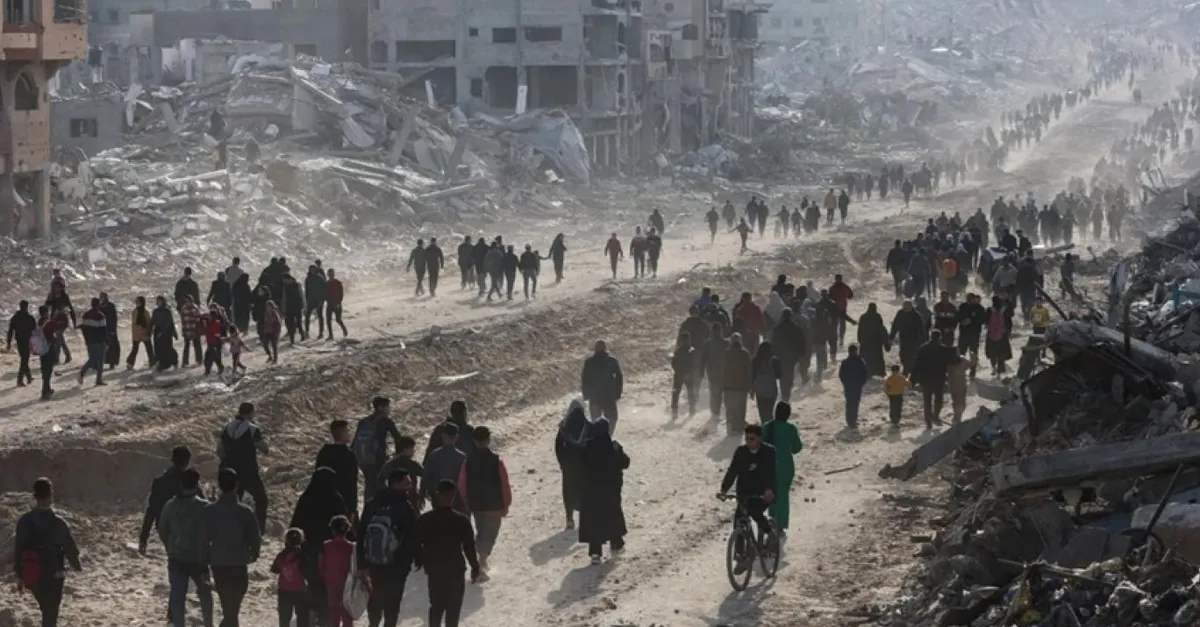
The destruction of Gaza's infrastructure is evident in the photographs of its streets and buildings. The coastal road, once a major thoroughfare, has taken on a new meaning. After the war, thousands of Palestinians were seen walking north, carrying personal belongings and searching for homes. The road, once lined with buildings, restaurants, and cafes, is now a path for those returning to their neighborhoods.
Despite the devastation, some aspects of daily life have persisted. Markets have reopened, albeit in makeshift conditions. Jaber Badwan's photographs show vendors selling produce and people haggling over prices. The markets, though not restored to their former glory, demonstrate the resilience of the people. Goods are being sold, and life is slowly returning, albeit in a different form.
The contrast between life before and after the war is stark in Jabalia. The once-thriving market, filled with shoppers and vendors, is now a pile of rubble. Photographs of the area show people navigating the debris, searching for homes and belongings. The destruction is a testament to the war's devastating impact on Gaza's infrastructure and its people.
The photographs also highlight the human cost of the conflict. Many residents have been forced to flee their homes, and those who have returned face a harsh reality. The streets, once filled with children playing, are now desolate and littered with rubble. The beach, once a popular spot for recreation, is now a place of refuge for those displaced.
The collection of photographs serves as a powerful reminder of the war's impact on Gaza. They demonstrate how, despite the devastation, life persists. The images will remain an essential historical record, a testament to the people and the place that have been forever changed.
Key points
- The war has had a profound impact on Gaza's landscape and daily life.
- Photographs serve as a valuable historical record of the transformation.
- Despite devastation, some aspects of daily life have persisted.