As winter approaches, hundreds of thousands of displaced Palestinians in Gaza are bracing for another harsh season in makeshift tents that offer little protection from the elements. The ongoing displacement, now in its third year, has left many families struggling to cope with the lack of adequate shelter, infrastructure, and basic necessities. With the threat of rain and flooding looming, concerns are growing about the vulnerability of these makeshift camps.
The situation is dire, with estimates suggesting that over 60% of the tents used by displaced families are no longer fit for purpose, providing minimal protection from wind, rain, and cold. The damage to infrastructure and the lack of resources have exacerbated the crisis, leaving many families without access to basic services, including healthcare and sanitation. The government has warned that the upcoming winter could be catastrophic if urgent action is not taken to address the crisis.
Displaced families are struggling to make ends meet, with many forced to live in tents that are barely habitable. Amira al-Samalousi, a displaced mother, expressed her fears about the upcoming winter, recalling the flooding that occurred last year. Despite efforts to repair her tent, she still needs essential supplies, including plastic sheets to cover and protect her family from the elements. The cost of these supplies is a significant burden, and many families are struggling to afford them.
The crisis has been compounded by ongoing violence, with 31 Palestinians killed and 148 injured in airstrikes over the past week. The violence has also led to the destruction of homes, with 117 apartments damaged or destroyed in the al-Sabra neighborhood alone, leaving hundreds of people without a place to live. The constant threat of violence and displacement has created a sense of uncertainty and fear among the population.
The Israeli military has continued to issue evacuation orders, forcing more families to flee their homes. The expansion of the "buffer zone" has also led to the displacement of thousands of people, who are forced to live in overcrowded and unsanitary conditions. The situation is dire, with many families lacking access to basic necessities, including food, water, and healthcare.
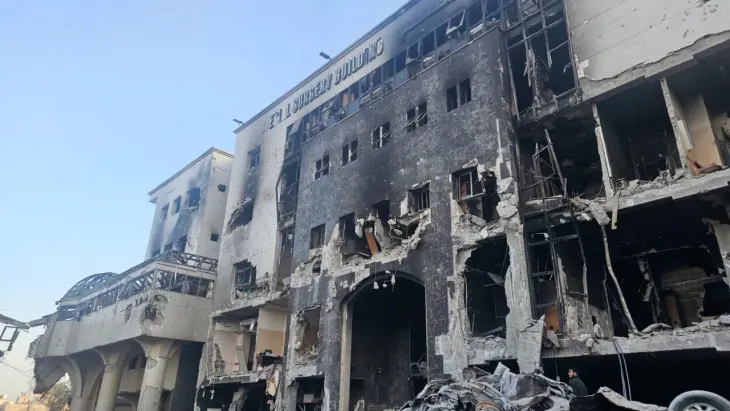
The destruction of infrastructure and the lack of resources have had a devastating impact on the healthcare system in Gaza. With many hospitals and medical facilities damaged or destroyed, patients are struggling to access essential care. The shortage of medical supplies and equipment has also exacerbated the crisis, leaving many patients without access to life-saving treatments.
The international community has been urged to provide urgent assistance to address the crisis. The Palestinian government has called for the provision of emergency shelter, including 200,000 new tents and 300,000 plastic sheets. The situation in Gaza remains dire, with many families facing a harsh winter with little hope of respite.
Key points
- Over 60% of tents used by displaced families in Gaza are no longer fit for purpose.
- Hundreds of thousands of displaced Palestinians in Gaza are preparing for a harsh winter in makeshift tents.
- The crisis in Gaza has been compounded by ongoing violence and the destruction of infrastructure.