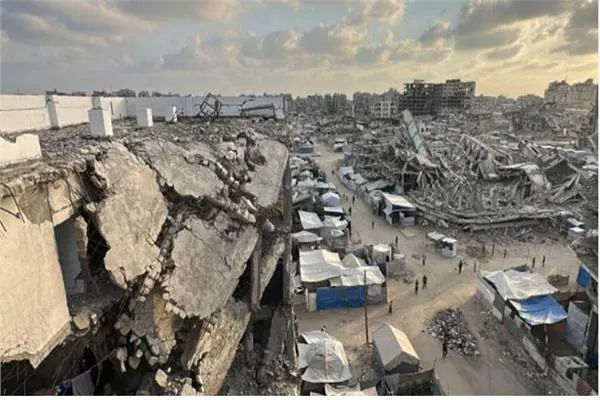
The Gaza Strip is facing one of the largest debris removal efforts in modern history, with an estimated 61 million tons of rubble left behind after years of conflict. According to the United Nations, this amount is approximately 20 times the volume of debris generated by all wars in the past 18 years. The scale of the destruction is evident in the numbers, with only 907,000 tons of debris removed so far, and over 300,000 tons recycled.
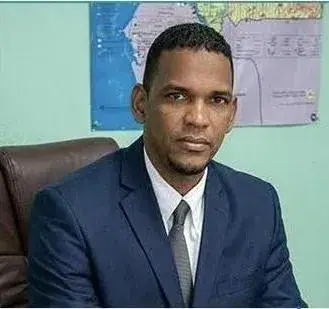
The debris removal process is expected to take between 7 to 10 years and cost billions of dollars, according to Jaco Siliers, the Special Representative of the UN Development Programme in Palestine. The effort is complicated by a lack of equipment, spare parts, and fuel, which hampers the operation of machinery and maintenance. Despite these challenges, the UN is working to prioritize debris removal and identification of human remains, with the goal of restoring access to neighborhoods and essential services.
One of the significant challenges in Gaza is the presence of unexploded ordnance and hazardous materials, including asbestos, which poses health risks when inhaled. The UN is working with local authorities and specialized organizations to identify and mark areas with potential dangers, but the available capacity is limited. In addition, the debris is believed to contain between 8,000 to 10,000 human remains, which the UN is working to locate and identify.
The Palestinian Civil Defense has recovered over 630 bodies and human remains from under the rubble since November 2025, and estimates that over 8,000 people are still missing. The UN is working with the International Committee of the Red Cross to locate and prioritize areas where human remains are believed to be buried. The process of identifying and documenting the remains is crucial to respecting the rights and burial traditions of the families of the victims.
In an effort to reduce the volume of debris, the UN is promoting recycling and reuse of materials. The organization is working to crush and recycle debris for use in temporary repairs, such as road maintenance and provision of temporary shelter. However, the quality of the recycled materials is not comparable to natural materials, and the process is slow and costly due to equipment shortages.
The massive debris removal effort is a critical step towards rebuilding Gaza, as the rubble obstructs access to neighborhoods, infrastructure, and essential services. The UN emphasizes that debris removal is a prerequisite for broader reconstruction efforts, which will involve not only rebuilding homes and infrastructure but also addressing the complex challenges posed by the presence of unexploded ordnance and hazardous materials.
The international community is faced with the daunting task of supporting the debris removal effort, which will require significant resources and coordination. The UN's efforts to prioritize debris removal, identify human remains, and promote recycling and reuse of materials are critical to addressing the humanitarian and development needs of Gaza. The organization's work in this area will help pave the way for longer-term reconstruction and recovery efforts in the region.
Key points
- The Gaza Strip faces a massive debris removal effort, with an estimated 61 million tons of rubble to be removed over 7-10 years at a significant cost.