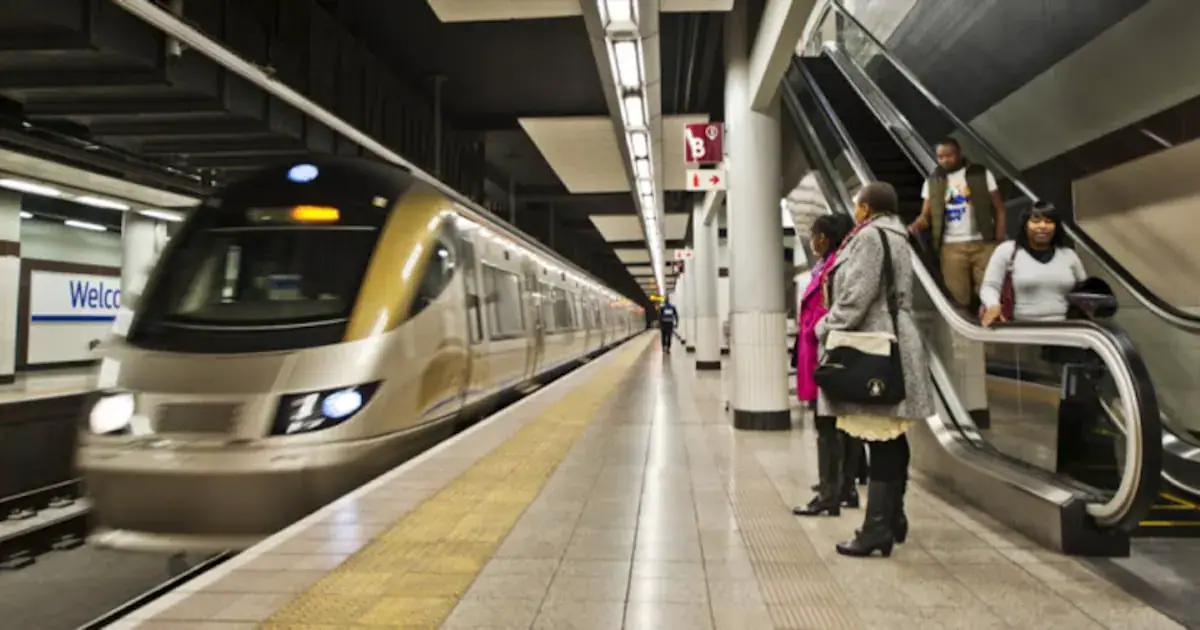
As South Africa celebrates Transport Month, Gauteng's Gautrain system is embarking on a new journey with the appointment of Sihamba Sonke Mobility as its operator under a 15-year Public-Private Partnership agreement. The Gautrain, which began operations 16 years ago, has become an integral part of daily life in Gauteng, connecting people to jobs, education, and business. With over 216 million passenger trips recorded, the system has demonstrated the value of long-term infrastructure investment. The new operator will focus on modernising, maintaining, and upgrading the system.
The Gautrain system, valued at approximately R45bn, has had a significant impact on Gauteng's economy and mobility. It has influenced patterns of economic activity, stimulated development around stations, and provided an alternative to road-based travel. The system's continued development carries significance not only for passengers but also for the province's broader infrastructure and economic development agenda. The challenge now is to preserve and build on that value.
The next phase of the Gautrain includes several planned interventions, such as increased train frequencies during weekday off-peak periods, extended operating hours, and the introduction of new and upgraded trains with improved passenger amenities. The system will also see improvements to stations, facilities, and depots. These investments aim to enhance the passenger experience, making the transport system more available, affordable, safe, and reliable.
The future of Gauteng's mobility cannot be built around rail alone; it requires greater integration between different modes of public transport. The next phase of the Gautrain places greater emphasis on the network surrounding the railway, including additional feeder routes and midibuses, stronger integration between Gautrain trains and feeder services, and improved passenger information. The introduction of account-based ticketing and an integrated Mobility-as-a-Service digital platform are also planned.
Infrastructure modernisation must translate into a better passenger experience. The next phase includes investment in security, passenger information systems, public Wi-Fi, digital services, and backup power for stations. These interventions aim to provide a reliable transport system that people can trust, enabling economic participation. Affordability is also a priority, with the KlevaMova product providing qualifying passengers with a 50% discount on train fares.
The Gautrain's experience working with the minibus taxi industry through its Midibus Service demonstrates the importance of partnerships in creating a more connected transport system. The next chapter also comes at a time when resilience and environmental sustainability are becoming increasingly important considerations for public infrastructure. Planned improvements include full backup power provision for stations and a target for renewable energy to contribute 30% of energy use across stations and depots.
The effectiveness of public transport must be measured across the entire journey, not just the railway. The Gautrain's next 15 years will focus on creating a more resilient and sustainable transport system that connects a wider cross-section of society to opportunity. With a strong emphasis on modernisation, sustainability, and integration, the Gautrain is poised to continue playing a vital role in Gauteng's mobility and economic development.
Key points
- The Gautrain has recorded over 216 million passenger trips since its inception.
- The new operator, Sihamba Sonke Mobility, will focus on modernising, maintaining, and upgrading the system under a 15-year Public-Private Partnership agreement.
- The next phase of the Gautrain includes planned interventions such as increased train frequencies, extended operating hours, and improved passenger amenities.
Reporting sources
- MFANELO NTSOBI | Gautrain has a long journey ahead ― here’s what’s in store · The Sunday Times