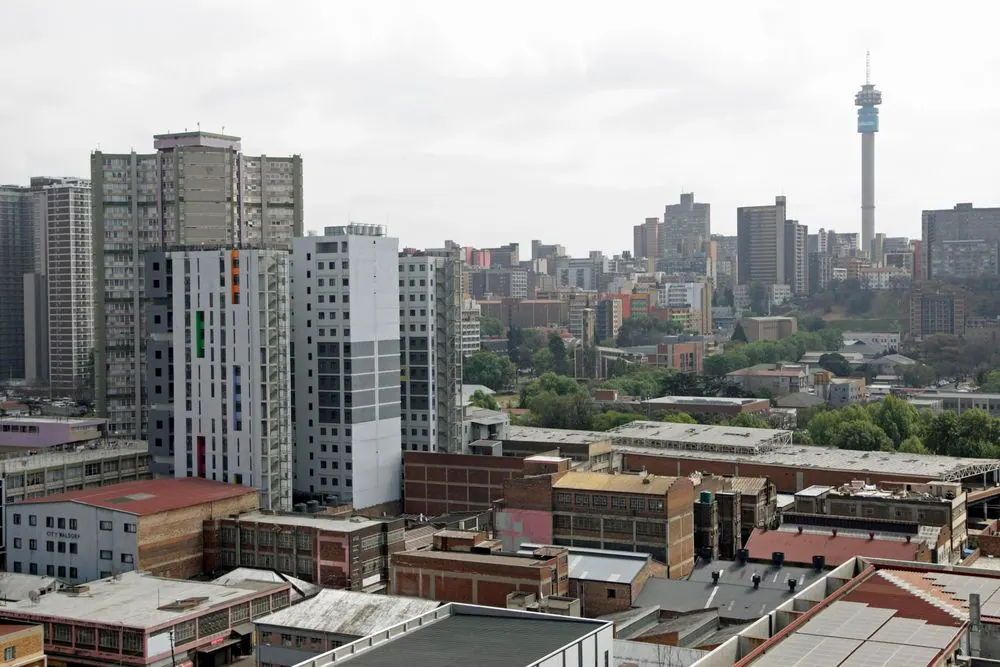
The Gauteng provincial government is incurring significant costs by renting 10 education district offices from private landlords. According to reports, the annual expenditure on these rentals amounts to over R183 million. This substantial outlay has raised questions about the utilization of government-owned properties for these purposes. The province is currently assessing whether some of its own buildings could be repurposed to accommodate these offices.
Gauteng MEC for Cooperative Governance and Traditional Affairs (CoGTA) and Infrastructure Development Jacob Mamabolo addressed the Gauteng Provincial Legislature regarding the matter. He stated that there were no suitable government-owned buildings available for the affected education district offices. This assertion has been disputed by the DA Gauteng Spokesperson for Education Michael Waters, who questioned the rationale behind housing 10 of the Gauteng Department of Education's 15 district offices in private buildings.
Michael Waters expressed concerns about the province's spending on private accommodation when potentially state-owned properties could be utilized. He noted that the MEC had ruled out government-owned buildings before the completion of the province's assessment of available properties. In response, Mamabolo emphasized the province's desire to move away from rented accommodation, highlighting that the money spent on leases does not create assets for the province.
The Gauteng government is exploring alternatives to renting private properties for its education district offices. Mamabolo mentioned that the province aims to make greater use of its owned buildings through public-private partnership transactions championed by the Gauteng Infrastructure Financing Agency (GIFA). This approach is part of a broader strategy to optimize the use of government properties and reduce reliance on private rentals.
In September, Mamabolo stated to the legislature that there were no vacant or underutilized Gauteng Provincial Government-owned buildings within the identified districts that were suitable, available, and of sufficient capacity to accommodate the education district offices. The province is conducting a needs analysis and accommodation assessment, including evaluating the suitability of available government-owned properties.
The issue of unused Gauteng government-owned buildings has also been raised, with details sought about 41 such properties, including 12 in Johannesburg and 29 in Tshwane. Mamabolo clarified that the province's plans to utilize government-owned buildings would involve more than simply relocating offices into existing space. He also mentioned that some provincial buildings in the Johannesburg CBD had been condemned and required rehabilitation.
The current accommodation assessment is examining the province's office requirements, existing accommodation, and available government properties. Options being considered include refurbishment, redevelopment, consolidation, and the use of existing state buildings. The province aims to partner with the private sector to achieve its goals, given the limited availability of government funds for such projects.
Key points
- The Gauteng provincial government spends over R183 million annually on renting 10 education district offices from private landlords.
- The province is assessing the suitability of government-owned properties to accommodate these offices as part of a broader strategy to optimize asset utilization.
- The Gauteng government aims to make greater use of its owned buildings through public-private partnership transactions to reduce reliance on private rentals.