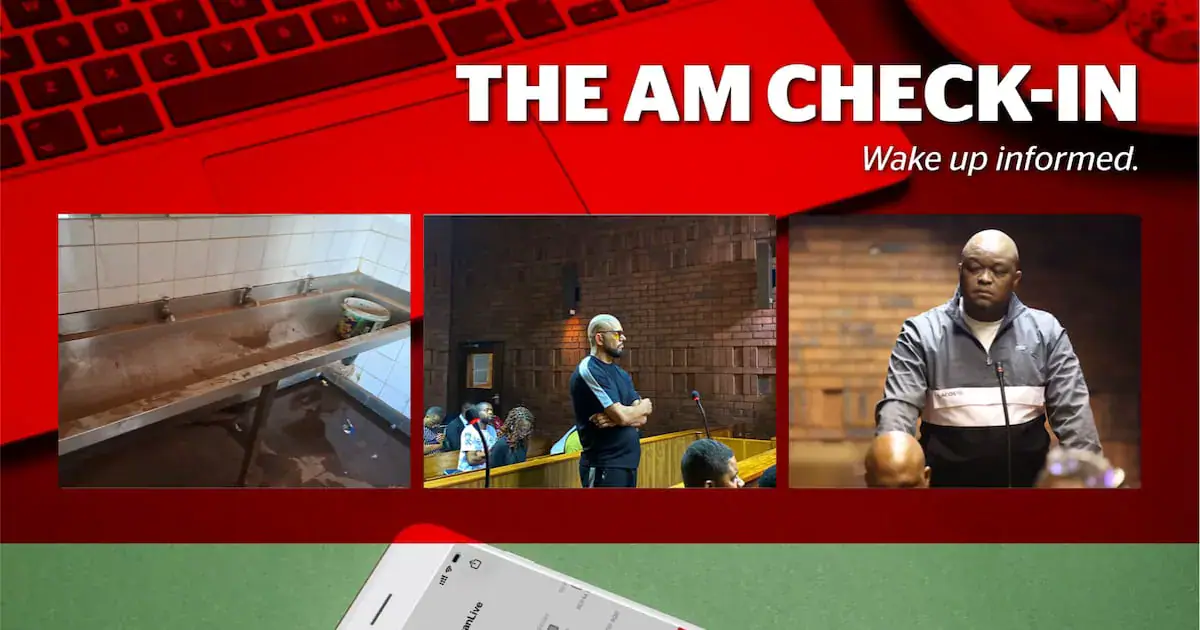
A recent visit to several schools in Gauteng found that despite recommendations from the South African Human Rights Commission (SAHRC) for urgent intervention, little has been done to improve conditions for pupils and teachers. The SAHRC had inspected schools in Westonaria and flagged deteriorating infrastructure, broken toilets, unsafe asbestos roofs in classrooms, and furniture shortages. At least seven schools in Gauteng were among over 170 in the country that needed urgent attention following the SAHRC's inspections in January.
The Sowetan visited several schools in Gauteng and found that grade 1 pupils are still learning in asbestos classrooms, while toilets are in disrepair and teachers are struggling with shortages of desks and chairs. These findings suggest that the SAHRC's warnings have been largely ignored. The commission's inspections had highlighted the urgent need for intervention to address the poor infrastructure, but it appears that not much has changed since then.
The SAHRC's inspections had identified a range of issues, including broken toilets, unsafe asbestos roofs, and furniture shortages. The commission's recommendations for urgent intervention were clear, but it seems that these have not been acted upon. As a result, pupils and teachers continue to face difficult conditions, which can have a negative impact on learning and teaching.
The Gauteng education department has not provided a clear explanation for the lack of progress in addressing the poor infrastructure. However, it is clear that urgent action is needed to address the issues highlighted by the SAHRC. The department needs to prioritize the needs of pupils and teachers and take concrete steps to improve the infrastructure in schools.
The situation in Gauteng schools is a concern for parents, teachers, and pupils. The poor infrastructure can have serious consequences for the health and well-being of pupils and teachers. It is essential that the Gauteng education department takes immediate action to address the issues and provide a safe and conducive learning environment.
The SAHRC's role in highlighting the poor infrastructure in Gauteng schools has been crucial. The commission's inspections and recommendations have brought attention to the issue, and it is now up to the Gauteng education department to take action. The department needs to work with stakeholders to develop a plan to address the poor infrastructure and ensure that pupils and teachers have a safe and conducive learning environment.
The Gauteng education department needs to be held accountable for the lack of progress in addressing the poor infrastructure. The department should provide a clear plan of action and a timeline for implementation. Additionally, the department should ensure that all stakeholders, including parents, teachers, and pupils, are involved in the process of addressing the poor infrastructure.
Key points
- Gauteng schools still face poor infrastructure despite SAHRC warnings.