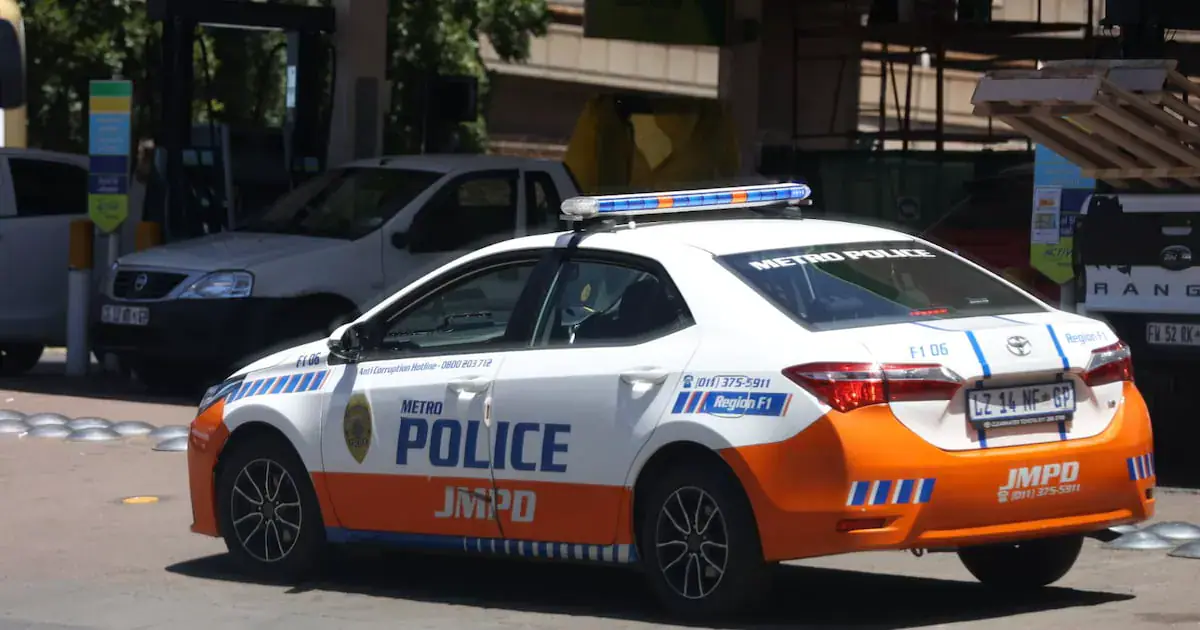
The Gauteng metropolitan police departments are facing intense scrutiny over allegations of corruption and criminality involving some of their officers. The Madlanga commission of inquiry has revealed disturbing allegations of corruption, abuse of authority, and collusion with criminal networks within the departments. These allegations have sparked concerns about the behavior of metro police officers and the impact on public confidence in law enforcement.
One of the cases that have garnered attention is that of Johannesburg metro police department (JMPD) officer Johannes Mokgatle, who has been suspended following claims that he misused state resources to assist a suspected cartel boss. Mokgatle's alleged involvement in criminal activities has raised questions about the vetting process for police officers and the oversight mechanisms in place. The JMPD has taken action against Mokgatle, but allegations against other officers, including JMPD chief superintendent Emosacia Tintswalo Rikhotso, have also surfaced.
The allegations against Rikhotso include extortion, robberies, and protecting drug syndicates, which have further eroded public trust in the metro police departments. In Ekurhuleni, allegations of corruption, fraud, and defeating the ends of justice have been made against deputy chief Julius Mkhwanazi and his superior, former city manager Imogen Mashazi. These cases have highlighted the need for a thorough clean-up of the Gauteng metro police departments.
The Tshwane metro police department has also been embroiled in controversy, with officer Peter “Gagash” Nonyane on trial for fraud and corruption involving millions allegedly stolen from deceased estates. Nonyane's extravagant lifestyle, flaunted on social media, raised questions about how a constable earning about R14,000 a month could afford such luxuries. The department's response to Nonyane's actions has been criticized, with some arguing that it was only after his arrest that meaningful action was taken.
A thorough clean-up of Gauteng's metro police departments is long overdue, with motorists, businesses, and residents often subjected to indignities such as demands for bribes and abuse of authority. The cases of corruption and criminality must mark the beginning of decisive action, rather than just expressions of concern. The departments must investigate suspicious conduct, act on warnings, and ensure that disciplinary and criminal proceedings are not delayed.
The South African public has long expressed concern about the behavior of metro police officers, and it is imperative that the departments take concrete steps to address these concerns. The fight against crime in South Africa cannot be won while those wearing law enforcement uniforms are implicated in criminality. The Gauteng metro police departments must prioritize the restoration of public trust and demonstrate a commitment to rooting out corruption and criminality within their ranks.
Ultimately, the Gauteng metro police departments must take a proactive and sustained approach to addressing corruption and criminality within their ranks. This will require a multifaceted strategy that includes improved vetting, enhanced oversight mechanisms, and a commitment to disciplinary and criminal proceedings. By taking decisive action, the departments can begin to restore public trust and play a more effective role in the fight against crime in South Africa.
Key points
- The Gauteng metro police departments must prioritize the restoration of public trust and demonstrate a commitment to rooting out corruption and criminality within their ranks.
Reporting sources
- SOWETAN | Clean up metro police units, now · The Sowetan