The recent spate of killings in Ekurhuleni has prompted the provincial authorities of Gauteng, KwaZulu-Natal, and the Western Cape to implement measures aimed at combating gender-based violence and femicide (GBVF). These measures include enhanced policing, community-based activists, safety audits, and dedicated police action plans. Gauteng Premier Panyaza Lesufi announced that his province is translating the national GBVF response into a provincial plan, prioritizing police stations with high volumes of rape cases.
In Gauteng, several police stations have been identified for additional support, including Rietgat, Alexandra, Mamelodi, and Diepsloot. Lesufi emphasized the need for additional resources to address policing, victim empowerment, and related issues. Municipalities have been given seven days to begin safety audits focusing on broken streetlights, abandoned buildings, and unsafe transport routes. An inter-ministerial committee will monitor implementation weekly. Johannesburg Mayor Dada Morero has also launched the City's GBVF response action plan, which brings together municipal police, emergency medical services, health, and building-control officials.
KwaZulu-Natal is taking a community-based approach to combat GBVF, with Premier Thamsanqa Ntuli appointing 173 GBVF activists to link communities with law enforcement across provincial police stations. These activists will support survivors, assist with prevention and awareness initiatives, and strengthen reporting and data collection. Ntuli emphasized that these activists will be the lifeline for victims, a voice for the vulnerable, and a driving force for change in the province.
The Western Cape's response to GBVF predates the recent Ekurhuleni killings, with Premier Alan Winde announcing in February that the province had 860 GBV ambassadors, 21 ambassador programmes, and 27 funded shelters. The province's 2026/27 plan commits to a 365-day response, including prevention initiatives targeting men and boys. Provincial Police Commissioner Lieutenant-General Sizakhele Dyantyi has committed to developing a dedicated police action plan following a recent picket outside the Western Cape Provincial Legislature.
The provincial responses follow President Cyril Ramaphosa's national address on September 29, in which he ordered a 60-day audit of unresolved murders, rapes, and serious sexual offences involving women and children. Ramaphosa also ordered a funded plan to address forensic backlogs within 60 days and municipal women's safety audits, with urgent hazards to be addressed or included in funded implementation plans within 90 days.
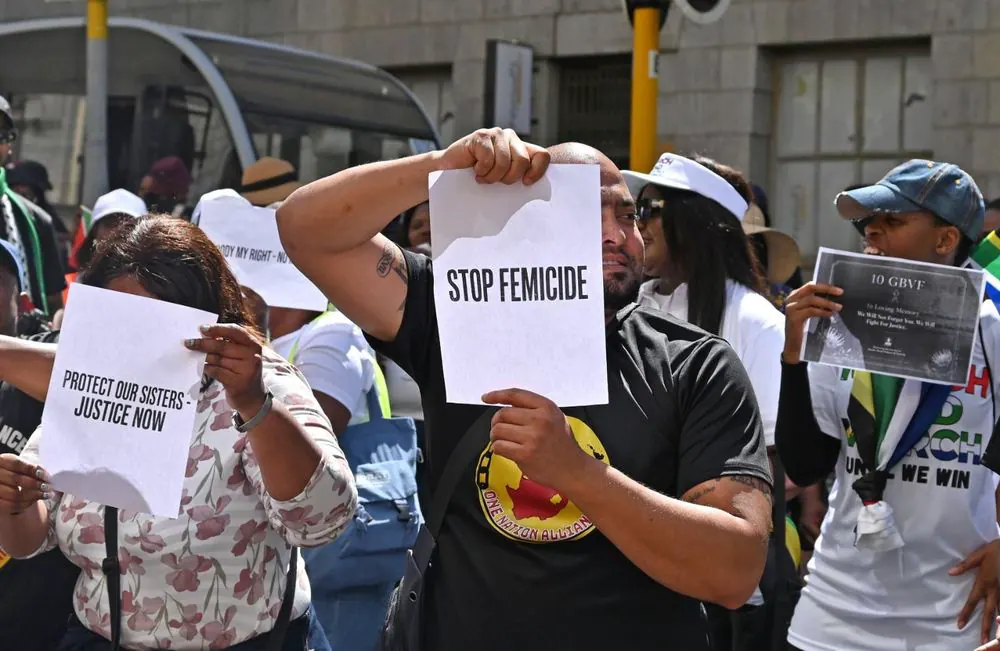
Recent weeks have seen pickets and demonstrations across the country, as gender-based violence organizations, civil society groups, and community organizations call for stronger and more coordinated interventions to address GBVF. The Independent Police Investigative Directorate (IPID) has recorded a rise in alleged rape cases involving police officers, with 332 GBVF-related cases involving police in 2025/26, including 116 alleged rape cases by officers.
The efforts of the provincial authorities to combat GBVF have been welcomed by civil society groups, who have called for stronger and more coordinated interventions to address the issue. The provincial plans will be monitored and evaluated to assess their effectiveness in reducing GBVF.
Key points
- Gauteng, KZN, and Western Cape provinces have unveiled measures to combat GBVF, including enhanced policing, community-based initiatives, and safety audits.
- The measures follow President Cyril Ramaphosa's national address on September 29, which ordered a 60-day audit of unresolved murders, rapes, and serious sexual offences involving women and children.
- Provincial authorities have prioritized police stations with high volumes of rape cases and have committed to developing dedicated police action plans to combat GBVF.