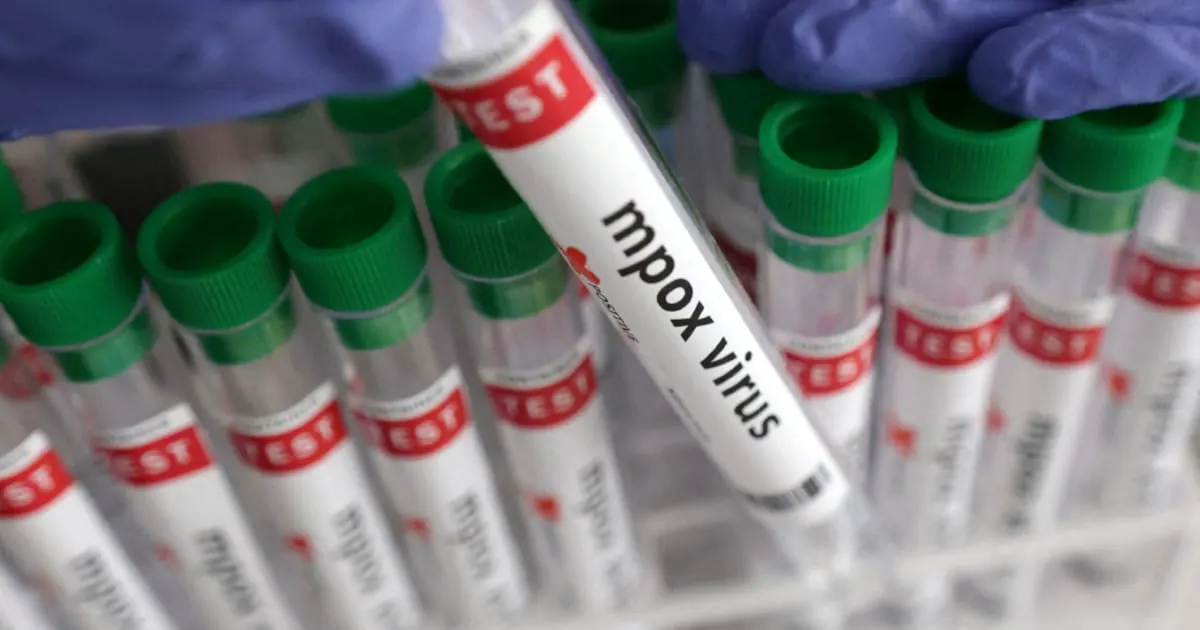
The Gauteng health department has activated its Mpox response teams across all five of the province's health districts following the confirmation of three laboratory-confirmed cases. This move is part of the department's efforts to strengthen preparedness and surveillance measures to ensure suspected and confirmed cases are detected early and appropriately managed. The department's spokesperson, Steve Mabona, assured the public of the province's readiness to respond to Mpox.
The three laboratory-confirmed cases in Gauteng were reported by the National Institute for Communicable Diseases (NICD) on September 18. According to the national health department, South Africa had recorded 18 laboratory-confirmed cases and one probable case as of September 17. Of these, 15 confirmed cases were reported in the Western Cape and three in Gauteng, while the probable case was reported in KwaZulu-Natal. The cases have prompted the Gauteng health department to enhance its response measures.
The Gauteng health department has functional Outbreak Response Teams in place across its five health districts, supported by provincial officials responsible for communicable disease control, immunisation, environmental health, infection prevention and control, health promotion and communication. These teams are monitoring Mpox cases daily through the Notifiable Medical Conditions surveillance system to support early identification, notification, investigation and follow-up of suspected and confirmed cases. Wastewater surveillance is also being used as a complementary early-warning mechanism.
The department has contingency plans in place covering surveillance, case management, infection prevention and control, risk communication, co-ordination and resource mobilisation. A provincial risk calendar is used to identify periods or circumstances of increased transmission risk and to guide facility readiness, surveillance strengthening and proactive response measures. The province continuously monitors national and global Mpox trends, including changes in transmission patterns and emerging variants.
Gauteng currently has 586 Mpox vaccine doses in stock, although they are not routinely kept at individual clinics due to specialised storage requirements. The vaccines are stored in dedicated freezers at regional pharmacies, from where clinics can request them based on identified need. The provincial department is also engaging the national health department to ensure additional vaccine doses can be accessed if necessary.
The Gauteng health department is continuing targeted Mpox prevention and awareness campaigns through various channels, including clinics, public meetings, multimedia platforms, door-to-door campaigns and community outreach programmes. The department is also working with community leaders, traditional health practitioners, faith-based organisations, civil society, non-governmental organisations and other stakeholders to support the distribution of reliable information.
Residents have been urged to remain vigilant, familiarise themselves with the signs and symptoms of Mpox and seek medical attention early if they suspect they may be infected. The department will continue monitoring the situation and strengthen its response where necessary to detect infections early, contain transmission and scale up interventions should the number of cases increase.
Key points
- The Gauteng health department has activated Mpox response teams across all five of the province's health districts following the confirmation of three laboratory-confirmed cases.
- The department has contingency plans in place covering surveillance, case management, infection prevention and control, risk communication, co-ordination and resource mobilisation.
- Gauteng currently has 586 Mpox vaccine doses in stock, although they are not routinely kept at individual clinics due to specialised storage requirements.