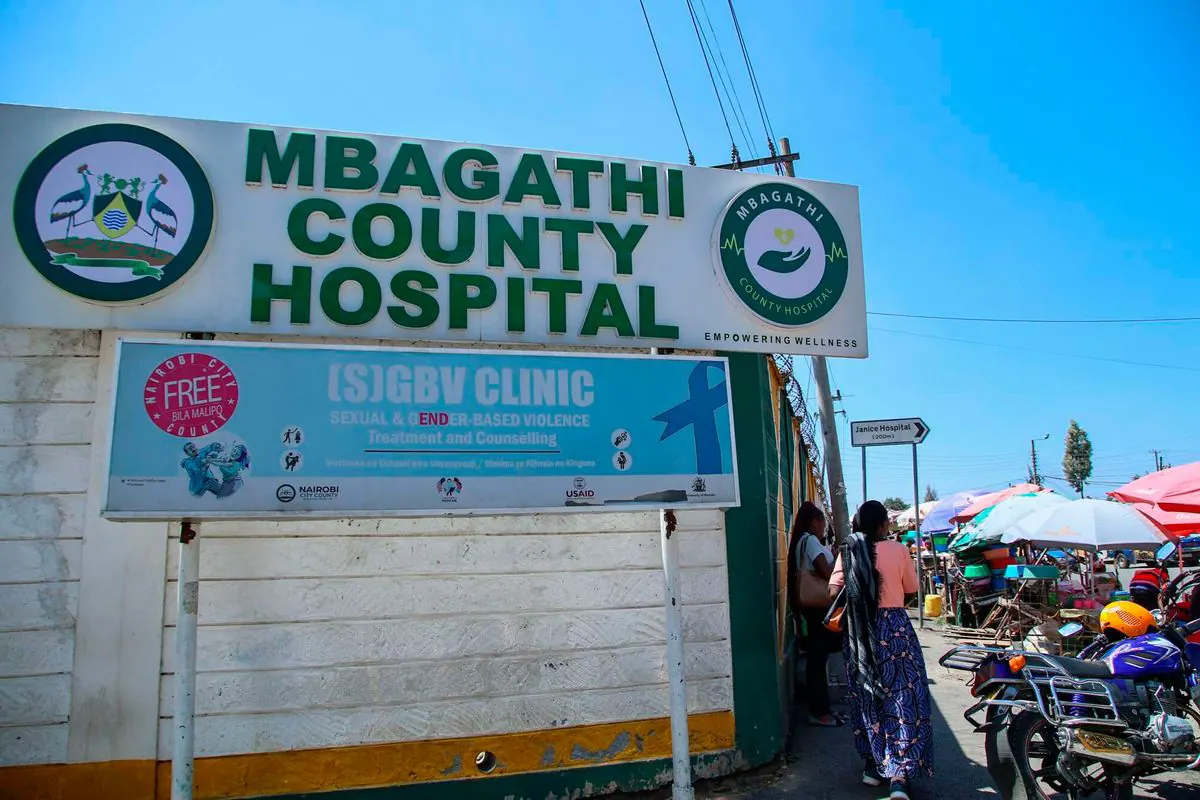
A recent audit by Auditor-General Nancy Gathungu found that more than half of the casual workers at Mbagathi County Referral Hospital in Kenya worked without contracts. The audit reviewed 70 sampled casual employees out of an average of 87 casual workers engaged per month. Only five had job contracts, while 22 had contracts covering only part of the engagement period, and 43 had no binding contract at all.
The Employment Act 2007 requires that employees engaged for a period exceeding three months be provided with written contracts specifying the terms and conditions of service. Section 10(1) of the Act stipulates that a written contract of service should set out key particulars of employment, including details of the job, the start date, the duration of the contract, the place of work, the working hours, and the remuneration.
The audit findings come amid court rulings against engaging workers in prolonged casual contracts. In July, the Court of Appeal ruled in a case involving the Embu County Government that employers could not rely on the label 'casual' when workers were engaged in permanent work. The court ordered that the workers, wrongly classified as casuals, be placed on proper employment terms.
Section 37 of the Employment Act provides for the conversion of casual employment to a fixed-term contract where a casual employee has worked continuously for at least one month or has performed work that could not reasonably be expected to be completed within three months. The law also stipulates that these workers are entitled to the terms and conditions applicable to employees under the Act.
However, the audit does not indicate how long each of the 70 workers had been engaged, nor the nature of the work they performed. Irregular engagement of casual employees by Mbagathi Hospital was one of the issues raised in the 2023/24 audit that remained unresolved in the 2024/25 audit.
An earlier audit shows that concerns had been raised at Mbagathi Hospital years before the latest findings. The Auditor-General found in the 2019/2020 audit that some casual workers had remained in temporary positions for more than 20 years. The hospital's use of casual labour occurs amid a staffing shortage.
The facility had 225 staff during the year ended June 2025, despite requiring 323 under the Kenya Quality Model for Health, resulting in a shortage of 98 workers. During that period, Sh20.36 million spent on casual labour accounted for approximately 36 percent of the hospital's total employee costs, which amounted to Sh56.41 million.
Key points
- Mbagathi County Referral Hospital's management was in breach of the Employment Act for not providing written contracts to casual workers.
- The hospital's use of casual labour occurs amid a staffing shortage, with 98 workers short of the required 323 staff.
- The audit findings are part of a recurring issue, with concerns raised at Mbagathi Hospital years before the latest findings.