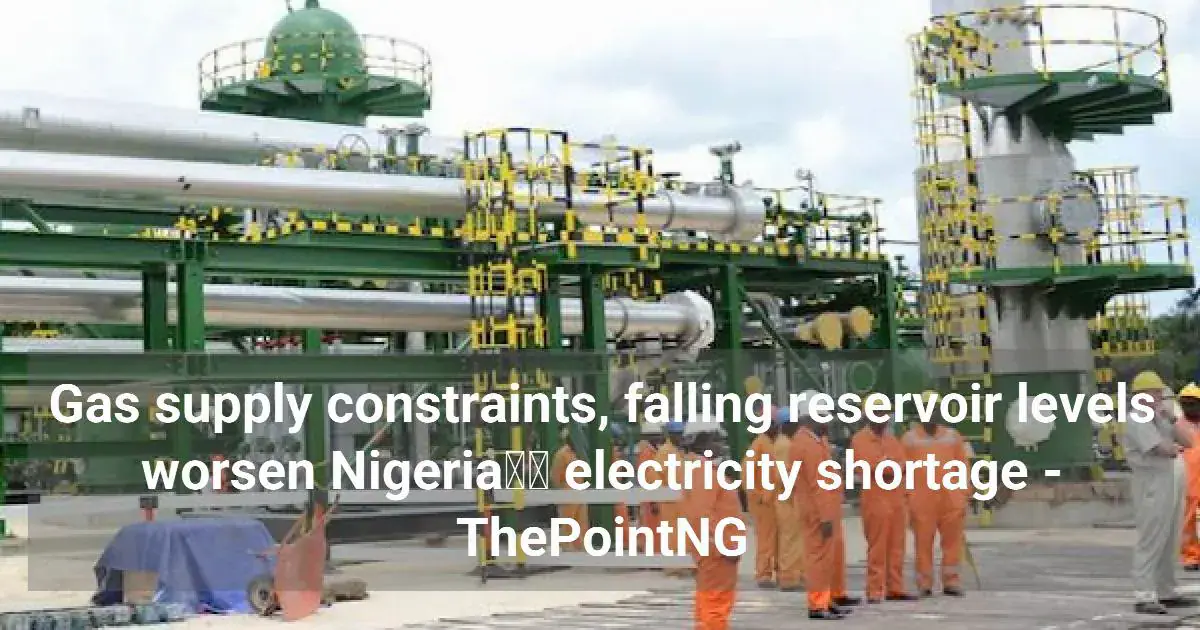
Nigeria's electricity supply has been severely impacted by inadequate gas supplies to thermal power stations and declining water levels at hydroelectric reservoirs. This has resulted in reduced power allocations to electricity distribution companies, forcing operators to cut supply hours and intensify load shedding across their networks. The situation has heightened concerns among households and businesses already grappling with intense heat and unreliable electricity.
The Nigerian Independent System Operator (NISO) disclosed that disruptions in gas supply and declining water inflows into hydroelectric reservoirs are the principal factors behind the drop in electricity generation. The constraints have affected the ability of both thermal and hydroelectric power stations to deliver electricity at their available capacities, reducing the volume of power supplied to the national grid.
According to NISO, the shortage of gas has restricted operations at affected thermal plants, preventing them from generating electricity at their installed or available capacities. Similarly, reduced water inflows into reservoirs have affected the ability of hydroelectric facilities to sustain their usual generation levels, further worsening the overall power supply situation.
The simultaneous challenges have reduced the quantity of electricity available for distribution, leaving distribution companies with less power to allocate to customers across their franchise areas. The resulting shortfall has translated into fewer hours of electricity supply and increased load shedding, although the extent of the disruption differs among distribution companies.
The worsening electricity situation comes at a particularly difficult time for consumers as high temperatures increase demand for electricity-powered cooling equipment. For households, reduced electricity supply means greater difficulty maintaining comfortable indoor temperatures, while businesses that depend on consistent power for their daily operations face additional operational challenges.
The reduction in grid supply could also increase reliance on alternative sources of electricity, particularly petrol and diesel generators, potentially raising operating expenses for businesses and household energy costs. This development is occurring against the backdrop of concerns over changing weather conditions and the possible effects of El Niño.
Responding to the concerns surrounding the reduced generation capacity, NISO acknowledged the difficulties being experienced by electricity consumers and said it was taking steps to manage the available power resources while maintaining the stability of the national grid. NISO remains committed to maintaining grid stability, optimizing the dispatch of available generation, and ensuring the secure, reliable and efficient operation of the national grid within prevailing operational constraints.
Key points
- Gas supply constraints and declining water levels at hydroelectric reservoirs have reduced electricity generation across Nigeria's national grid.
- The situation has resulted in reduced power allocations to electricity distribution companies, forcing operators to cut supply hours and intensify load shedding.
- The Nigerian Independent System Operator is taking steps to manage available power resources and maintain grid stability.