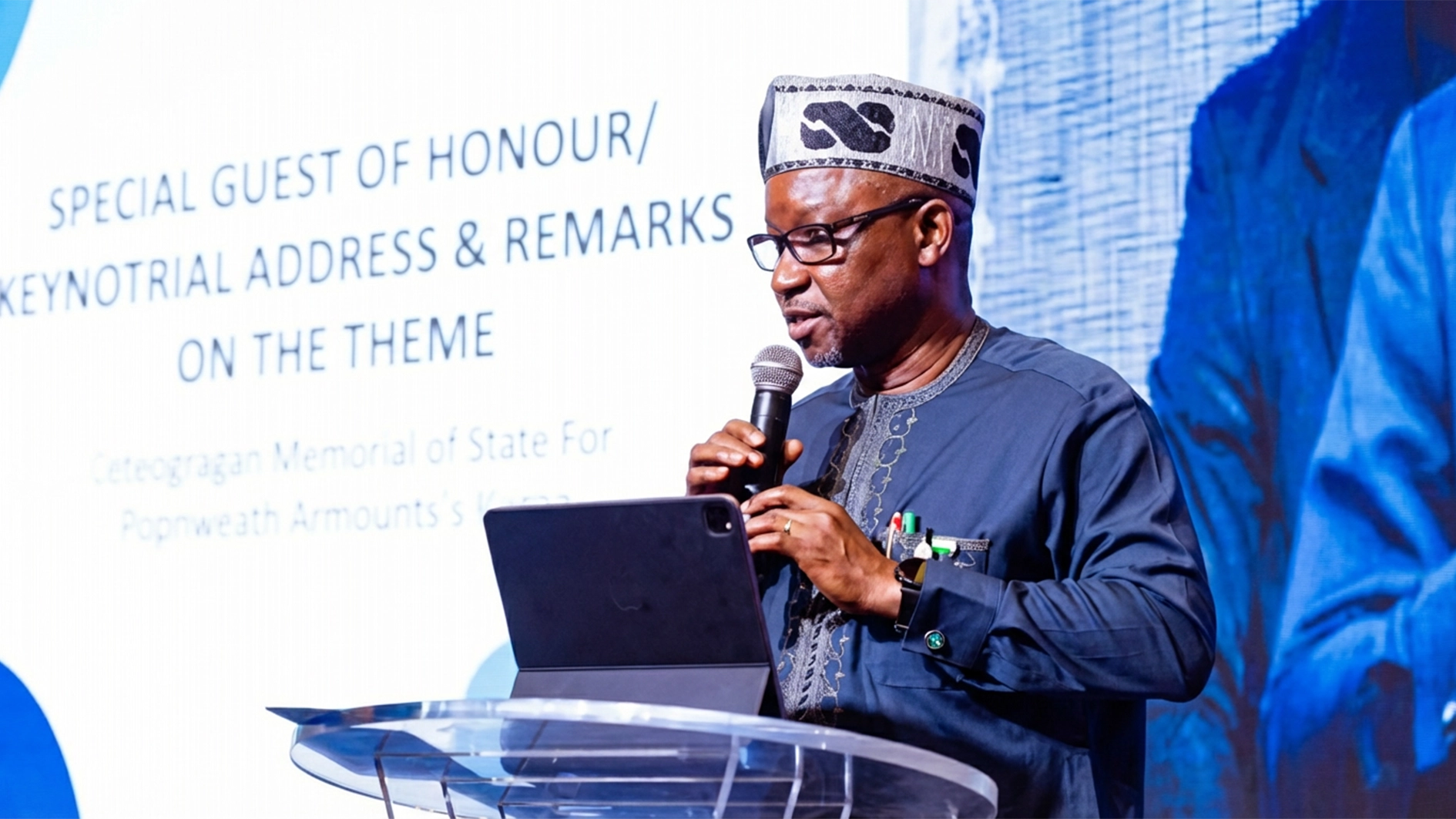
The Nigerian government's efforts to commercialise flare gas resources have encountered significant hurdles, with 22 out of 42 companies awarded contracts under the Nigerian Gas Flare Commercialisation Programme (NGFCP) yet to make tangible progress. Minister of State for Petroleum Resources (Gas), Ekperikpe Ekpo, disclosed this information, citing a report from the Nigerian Upstream Petroleum Regulatory Commission (NUPRC). The assessment highlights the challenges faced by investors in developing flare sites.
Ekpo warned that companies that fail to demonstrate progress in commercialising gas or lose their awards will face consequences. He emphasised that investors can either develop the necessary technology to capture flared gas or partner with qualified investors with the capacity to commercialise it. The government's stance comes as it seeks to eliminate routine gas flaring and attract fresh investment into the sector.
The NUPRC had previously warned that flare gas awardees risk losing their permits if they fail to utilise the sites. The commission evaluates awardees one year after an award to determine whether considerable progress has been made and can revoke awards where progress is insufficient. This development is crucial in Nigeria's efforts to reduce methane emissions and recover significant economic value from associated gas.
Nigeria's gas flaring problem persists, with the country flaring about 301.6 billion cubic feet of gas between January 2025 and June 2026, valued at nearly $888 million. In 2025, the government collected over N521.87 billion in gas-flaring penalties, yet routine flaring continues. The government aims to end routine gas flaring by 2030, targeting a significant reduction in methane emissions and recovery of economic value.
Ekpo highlighted Nigeria's progress in increasing its gas reserves and production. The country's gas reserves have risen from 208.83 trillion cubic feet (tcf) in 2023 to 215.19tcf as of January 2026. Average gas production has increased from 6.8 billion cubic feet per day (bcf/d) to 7.5 bcf/d. Domestic gas supply has also crossed 2 bcf/d, with the government targeting 10 bcf/d production by 2027 and 12 bcf/d by 2030.
The government is banking on new investment and infrastructure to support the expansion of the gas sector. Ekpo emphasised that ending gas flaring will not only reduce methane emissions but also recover significant economic value for Nigeria. The administration is committed to achieving this goal, with a focus on attracting $3.5 billion in fresh investment into the sector.
The Nigerian government faces significant challenges in achieving its gas commercialisation goals. With 22 awardees yet to make progress, the government must balance its efforts to attract investment with the need to enforce regulations and ensure that companies adhere to their commitments. The success of the NGFCP programme will depend on the government's ability to address these challenges and create a conducive environment for investors.
Key points
- 22 of 42 companies awarded contracts under the Nigerian Gas Flare Commercialisation Programme (NGFCP) have yet to make tangible progress in developing flare sites.
- Nigeria aims to end routine gas flaring by 2030, targeting a significant reduction in methane emissions and recovery of economic value.
- The government is banking on $3.5 billion in fresh investment to support the expansion of the gas sector.