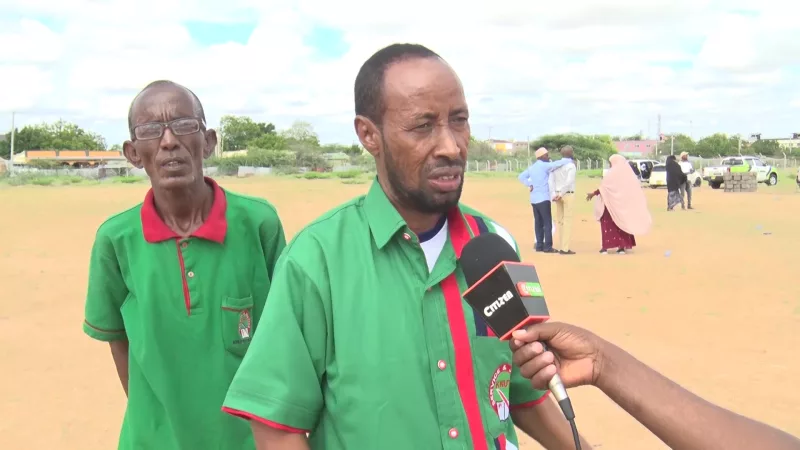
Leaders in Garissa are calling on the Teachers Service Commission to expedite the recruitment of 1,700 teacher trainees who are set to graduate from the Garissa Teachers Training College. The trainees, mostly from the Northeastern region, are expected to graduate in October. According to Garissa Kenya National Union of Teachers executive secretary Abdirizack Hussein, the region is facing a severe staffing crisis, particularly in schools located in hardship and insecurity-prone areas.
The staffing crisis in Northeastern schools has been exacerbated by insecurity in border areas, which often prompts non-local teachers to seek transfers. Hussein noted that recruiting local teachers provides greater stability because they understand the environment and are more likely to remain in local schools. He urged the TSC to prioritize the trainees and deploy them to schools immediately after graduation to address the shortage.
Garissa Township MP Dekow Mohamed attributed the teacher shortage to the region's insecurity and called for urgent action to address the issue. He noted that learners have borne the brunt of the shortage, with many schools operating with a single teacher. Dekow credited changes in teacher-training admission requirements with opening opportunities for young people from marginalized communities.
The Presidential Working Party on Education Reform recommended changes to teacher education, including a review of entry requirements for the Diploma in Primary Teacher Education. The reform removed subject-cluster requirements, leaving the general KCSE mean grade of C (plain) as the key admission threshold. Dekow said the policy change was a game-changer for the region, but urged the government to ensure that the investment in training translates into employment.
President William Ruto has highlighted teacher recruitment, infrastructure development, and expanded learning opportunities in marginalized areas as part of efforts to improve national education standards. The government has expanded teacher-training capacity across Northeastern, with institutions in Wajir and Mandera complementing Garissa Teachers Training College. Ruto said 1,800 local teachers from Garissa, Wajir, and Mandera had been recruited under the initiative and would be deployed within the region.
The push for immediate employment for Garissa's first large cohort of locally trained teachers highlights the severe staffing crisis in Northeastern schools. Training more youth from the region could improve continuity where insecurity and mass transfers have disrupted learning. However, the ultimate test remains whether TSC recruitment keeps pace with the growing pool of graduates and converts training investments into deployed teachers in classrooms where shortages remain acute.
Local leaders are optimistic that increased investment in teacher training will translate into actual classroom staffing. The government has pledged to address the staffing crisis, but the challenge lies in implementing the reforms and ensuring that the growing pool of graduates is absorbed into the education system. The TSC has been urged to move with speed and absorb all 1,700 teacher trainees graduating from the Garissa Teachers Training College.
Key points
- The Teachers Service Commission is urged to absorb 1,700 teacher trainees graduating from the Garissa Teachers Training College to address staffing crisis in Northeastern schools.